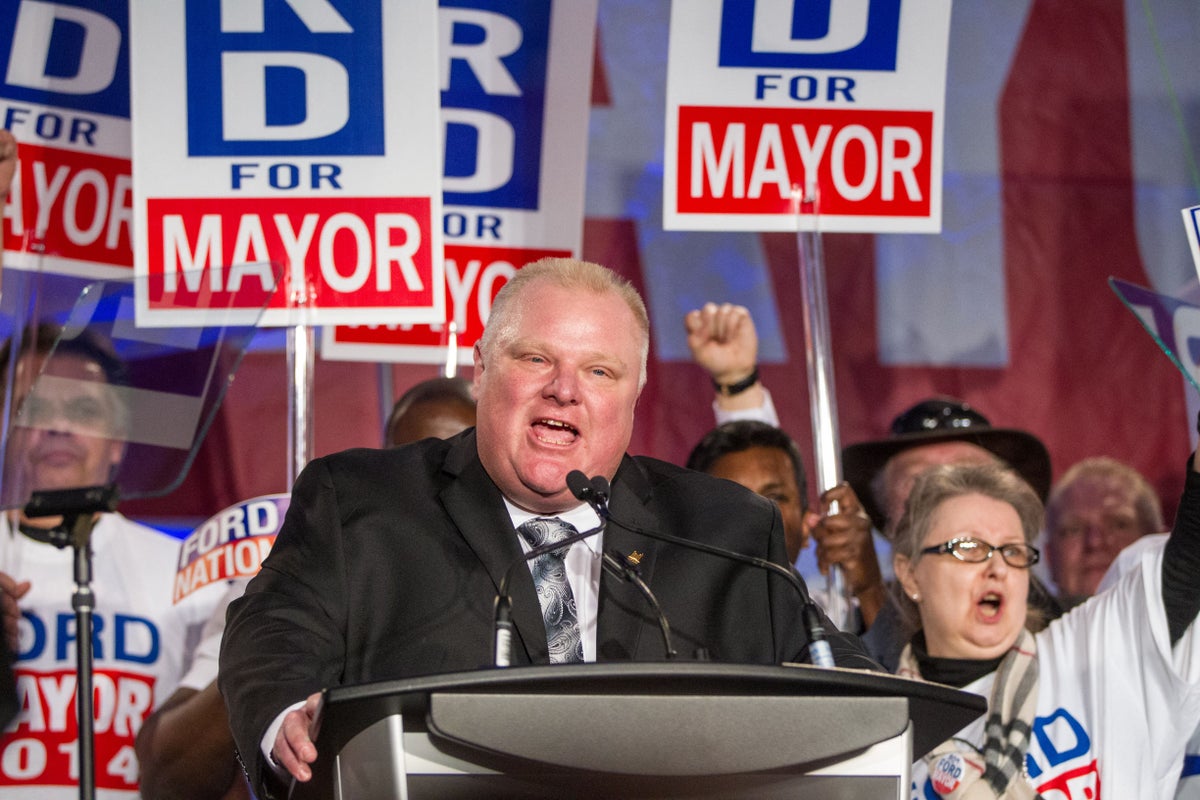
We eat up political theatre because substance hurts our brains. When a high-profile figure lobs a personal insult across the border, the media machine seizes the bait. Headlines scream about comparisons between political leaders and their late siblings, turning governance into a high-school cafeteria brawl. Everyone takes a side, clutching their pearls or cheering from the cheap seats. It is exhausting, predictable, and entirely designed to keep you looking at the shiny object while the machinery of state hums along behind the curtain.
Let us strip away the noise. The lazy consensus says that a personal barb from a populist icon dictates the diplomatic climate between neighboring nations. This is amateur hour analysis. Cross-border relations are not governed by bruised egos or late-night social media posts. They are bound by logistics, trade agreements, security pacts, and supply chains that do not care who called whom less intelligent.
The Mechanics of Distraction
Political combatants operate on a simple feedback loop. Outrage drives engagement, engagement drives visibility, and visibility translates to leverage. When a premier of a major province trades jabs with an American political powerhouse, both sides win within their respective echo chambers. The conservative base eats it up as anti-establishment grit, while the opposition uses it to paint their rivals as diplomatic liabilities.
Nobody stops to look at the balance sheets. Ontario remains a manufacturing and economic powerhouse that forms a critical anchor for North American industrial output. You can insult a leader's intellect all day long, but you cannot rewrite the trade data that shows billions of dollars moving across the Detroit River every single day. The politicians know this. The pundits know this. Yet, we still pretend that a petty putdown alters the trajectory of regional economics.
Stop falling for the soap opera. The real story is never the insult. The real story is what policy gets buried beneath the headlines while everyone is busy arguing about manners and lineage.
The Pragmatism of Power
Let us look at how regional executives actually survive. Doug Ford did not build political longevity by being a policy technocrat or a master orator. He survived by leaning into retail politics, appealing to blue-collar trades, and navigating federal-provincial friction with a populist swagger that mirrors the very leaders who mock him.
When outsiders try to map American political dynamics onto the Canadian parliamentary landscape, they fail miserably. The mechanics of provincial power in Ontario operate under entirely different constraints than a governorship or a congressional seat. A premier has to manage health care mandates, labor unions, and a complex web of municipal jurisdictions while dealing with a federal government that might be ideologically opposed.
Insults do not move steel. Tariffs do. Regulations do. Labor negotiations do. If you judge a leader by the quality of the insults hurled at them rather than their ability to keep the electricity grid running and the borders open, you deserve the governance you get.
The Cost of Cheap Theatre
The danger of this circus is not that feelings get hurt. Politicians have thick skin, or they would not last five minutes in the arena. The danger is that it degrades our capacity for serious discourse. When every political interaction is reduced to a viral clip or a snappy comeback, we lose the ability to evaluate leaders on metrics that actually matter.
Infrastructure spending, housing deregulation, energy independence, and workforce development are boring. They do not trend on social media. They require reading dense reports, understanding zoning laws, and balancing budgets that span decades. By obsessing over the personal friction between high-profile figures, we actively reward politicians who prioritize performance over competence.
We have built a media ecosystem that incentivizes governance by soundbite. Until we stop rewarding the outrage machine, we will continue to get leaders who specialize in provocation rather than execution.
The next time a headline tries to rile you up with a personal attack between political heavyweights, ignore the bait. Look at what trade deals are up for renewal. Look at what infrastructure projects are quietly getting funded. Look past the noise and find the leverage. That is where the real game is played.