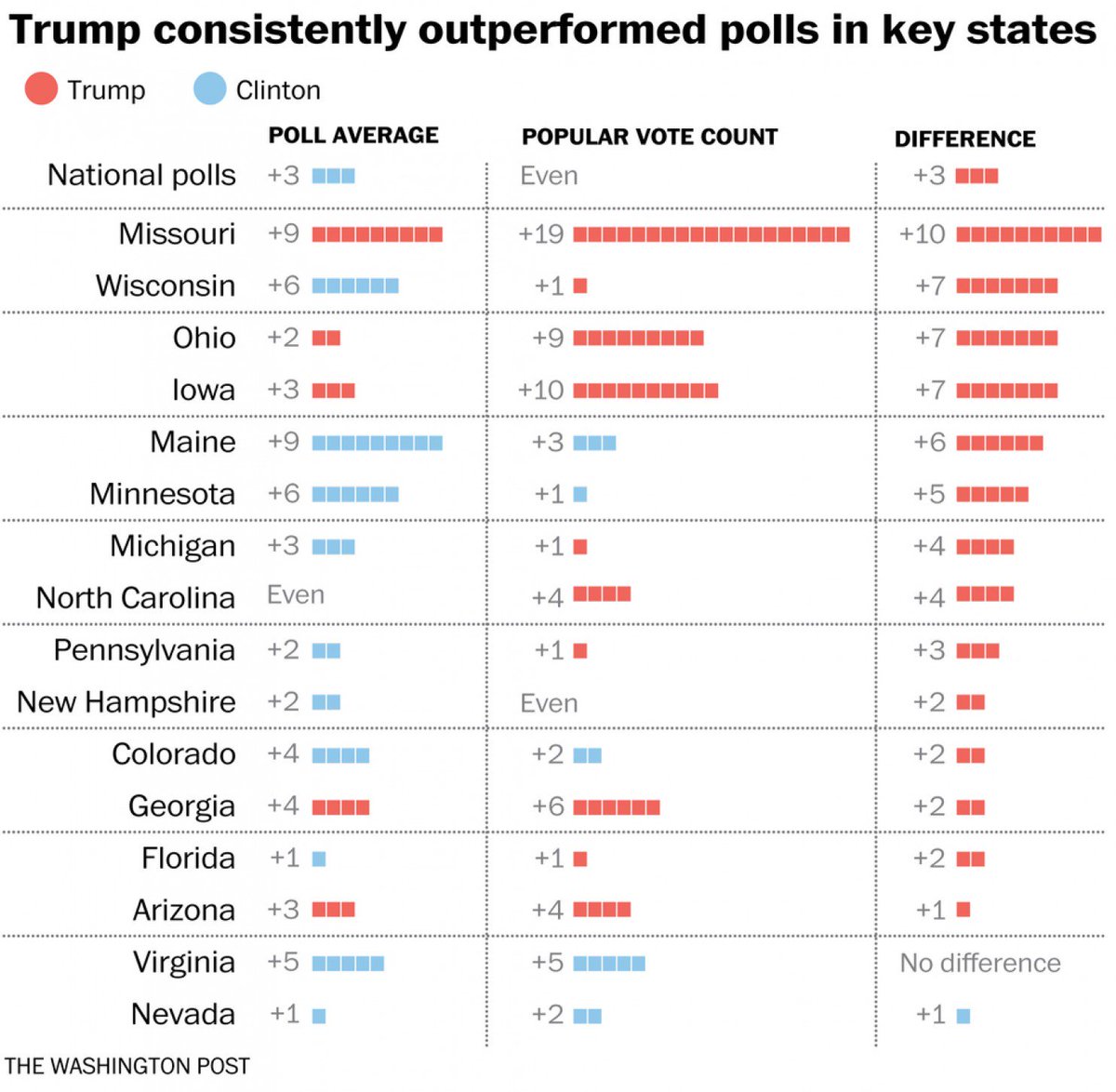
Polling is broken, but not in the way you think. For years, experts obsessed over undercounting conservative voters. They spent cycles adjusting formulas to find hidden supporters. Then the 2026 midterms arrived, and the entire methodology flipped upside down. Aggregate trackers and district surveys showed Democrats leading the national generic ballot, yet many pundits dismissed those numbers as polling error or partisan skew.
They were wrong. The polls actually underestimated the Democratic wave.
When the dust settled, Democrats didn't just win the House; they secured a commanding popular vote victory of roughly 13 points, leaving pre-election forecasts playing catch-up. Understanding why those surveys captured the underlying currents—even when professional forecasters doubted their own cross-tabs—reveals how modern electoral shifts actually happen on the ground.
The Reality Behind the Generic Ballot Shift
If you looked closely at the data heading into November 2026, the warning signs for the incumbent administration were glaring. RealClearPolling averages and major networks consistently put Democratic candidates ahead on the generic ballot by roughly 8 to 10 points.
Skeptics argued that structural advantages, rural clustering, and historical midterm penalties would rescue the Republican majority. That argument ignored a fundamental change in voter enthusiasm and behavioral patterns. Discontented voters didn't just complain; they mobilized.
The primary drivers behind the Democratic House takeover came down to distinct behavioral shifts:
- Suburban Realignment: Support for Democratic congressional candidates surged across suburban districts, driven by voters prioritizing economic shifts and healthcare concerns.
- Independent Motivation: Unaffiliated voters broke heavily toward the opposition, viewing their ballots as a direct referendum on the White House.
- Turnout Asymmetry: While enthusiasm remained high across multiple demographics, highly motivated opposition blocks outpaced expectations in competitive swing districts.
When pollsters registered these numbers early, they hesitated. Years of missing conservative surges made analysts gun-shy. They baked adjustments into their models that accidentally masked the magnitude of the anti-administration sentiment.
Where Traditional Forecasting Models Failed
The obsession with past errors creates blind spots. Ever since major polling misses in previous election cycles, pollsters adjusted their weightings to account for non-response bias among rural and non-college-educated voters. Those adjustments make sense on paper, but they assume every political cycle mirrors the exact behavioral template of the last one.
In 2026, the core problem wasn't that the polls were fake or biased. The problem was that analysts didn't trust their own raw data.
When a Marist poll or an NBC News survey showed a double-digit or near-double-digit advantage for congressional Democrats, internal panic set in among modelers who feared being an outlier. They smoothed the data, applied historical correction factors, and predicted a tight, razor-thin battle for the House.
Reality cared little for smoothing. Turnout in key battleground regions blew past historical midterm baselines. Districts in states like New York, California, and various southern suburbs swung sharply as independent voters broke hard against the ruling party. The polls caught the movement weeks in advance, but the conventional wisdom refused to accept the destination.
What This Means for Future Elections
Relying on old assumptions in a fast-shifting political landscape guarantees a misdiagnosis. Voters change their habits based on current economic pressures, local redistricting, and direct dissatisfaction with executive leadership.
If you want to read political data accurately, stop looking backward at what went wrong in past cycles. Look at the raw engagement, watch the generic ballot trends without arbitrary panic corrections, and pay attention when suburban and independent blocks shift simultaneously. The numbers were right all along. The willingness to believe them was what came up short.


