The chattering class is having a collective panic attack because a political party used a curse word on the internet.
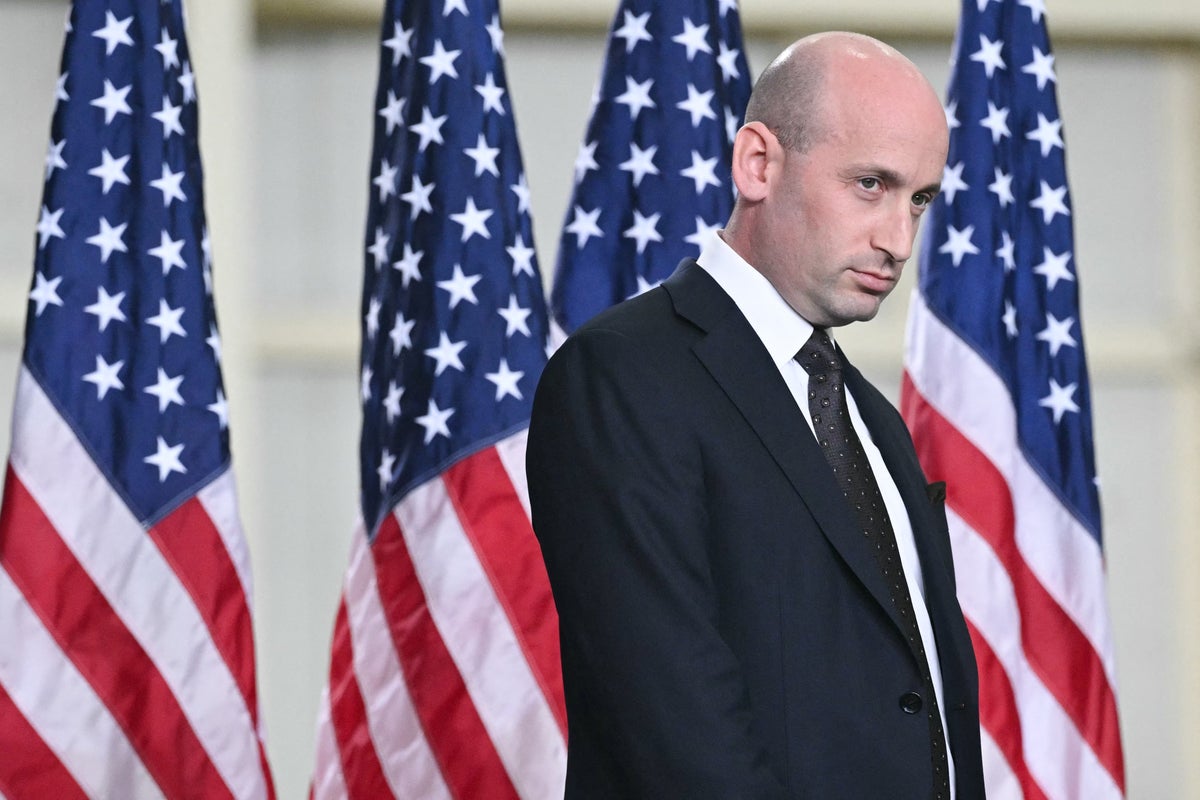
When the official Democrats account on X dropped the filter to attack Stephen Miller, the political commentary machine rolled out its standard, tired playbook. Right-leaning outlets feigned moral outrage. Left-leaning institutionalists wrung their hands over the "decline of civil discourse." The consensus across the board was clear: institutional political accounts must remain dignified, buttoned-up, and focus groups-approved.
They are entirely wrong.
The pearl-clutching media misses the fundamental shift in modern communication. In an internet economy saturated by AI-generated slop, corporate boilerplate, and hyper-polished PR statements, standard political messaging has zero value. It is background noise. The sudden injection of raw, unedited language is not a tactical error or a sign of desperation. It is a calculated pivot toward the only currency that still matters online: raw attention and perceived authenticity.
The Myth of the Dignified Voter
Political strategists have spent decades operating under a flawed premise. They believe voters want a pristine, West Wing-style presentation of policy and decorum.
Look at the actual data of consumer attention. The most successful media entities, digital creators, and political disruptors of the last decade did not build audiences by being polite. They built them by breaking the fourth wall.
When a brand or a political entity acts like a human—complete with anger, flaws, and profanity—it punctures the skepticism of a deeply cynical public. Voters do not look at a sanitized press release and think, "How noble." They look at it and think, "I am being marketed to."
Profanity functions as a cognitive shortcut. It signals to the viewer that whoever typed the post was feeling an actual emotion rather than running a draft through three layers of legal compliance. It breaks the barrier of artificiality.
The Asymmetry of Strategic Outrage
For years, one side of the political aisle has understood that attention is the ultimate political capital. They utilized shitposting, memes, and aggressive rhetoric to dictate the news cycle. The opposition responded with fact-checks and white papers.
Bringing a policy memo to a knife fight does not work.
By adopting a aggressive, unfiltered posture, an institutional account achieves two things simultaneously:
- It fires up the base: Modern political organizing relies heavily on generating energy among core supporters. A polite statement yields a lukewarm retweet. A visceral attack drives active engagement, shares, and financial donations.
- It forces the opposition to play defense: Instead of controlling the narrative, critics are reduced to complaining about tone. When you are arguing about the way someone said something, you have already conceded the floor to them.
I have spent years analyzing digital engagement metrics for major organizations. The highest-performing content is never the middle-of-the-road, safe update. It is always the piece that takes a risk, draws a line in the sand, and alienates the right people to solidify its bond with the core audience.
The Danger of the Controlled Pivot
This strategy is not without severe risks. The biggest danger of adopting an aggressive, vulgar digital strategy is the "uncanny valley" of corporate try-hardism.
If an organization switches from stiff press releases to internet edge-lord behavior overnight, the audience smells the calculation immediately. For this approach to work, it cannot look like a committee of fifty-somethings decided to "get edgy" to appeal to younger voters. It has to feel impulsive, even if it is strategically deployed.
Furthermore, once you cross the line into aggressive rhetoric, you cannot easily retreat to the high ground of moral superiority later. You have traded your institutional dignity for raw tactical efficacy. That is a permanent trade. If you try to complain about your opponent's lack of decorum three days after dropping a vulgarity on main, your critique loses all weight.
Dismantling the Tone Police
People frequently ask: "Does this kind of aggressive behavior alienate moderate swing voters?"
The short answer is no, because the mythical moderate swing voter who decides their vote based on the politeness of a tweet does not exist.
Voters are driven by tribal identity, economic anxiety, and visceral reactions to public figures. A suburban voter might tell a pollster they dislike negativity, but their digital footprint tells a completely different story. They click on the conflict. They share the outrage. They ignore the policy proposals.
Stop judging modern political operations by the standards of 1996 television advertising. The media ecosystem is fragmented, hostile, and blindingly fast. If an institutional account has to burn a little decorum to cut through the noise and land a blow on an opponent like Stephen Miller, it is a trade any competent digital director would make every single day.
The era of the dignified, neutral institutional voice is dead. The future belongs to the entities willing to get their hands dirty in the attention economy. Stop whining about the language and start paying attention to the mechanics of the game being played right in front of you.