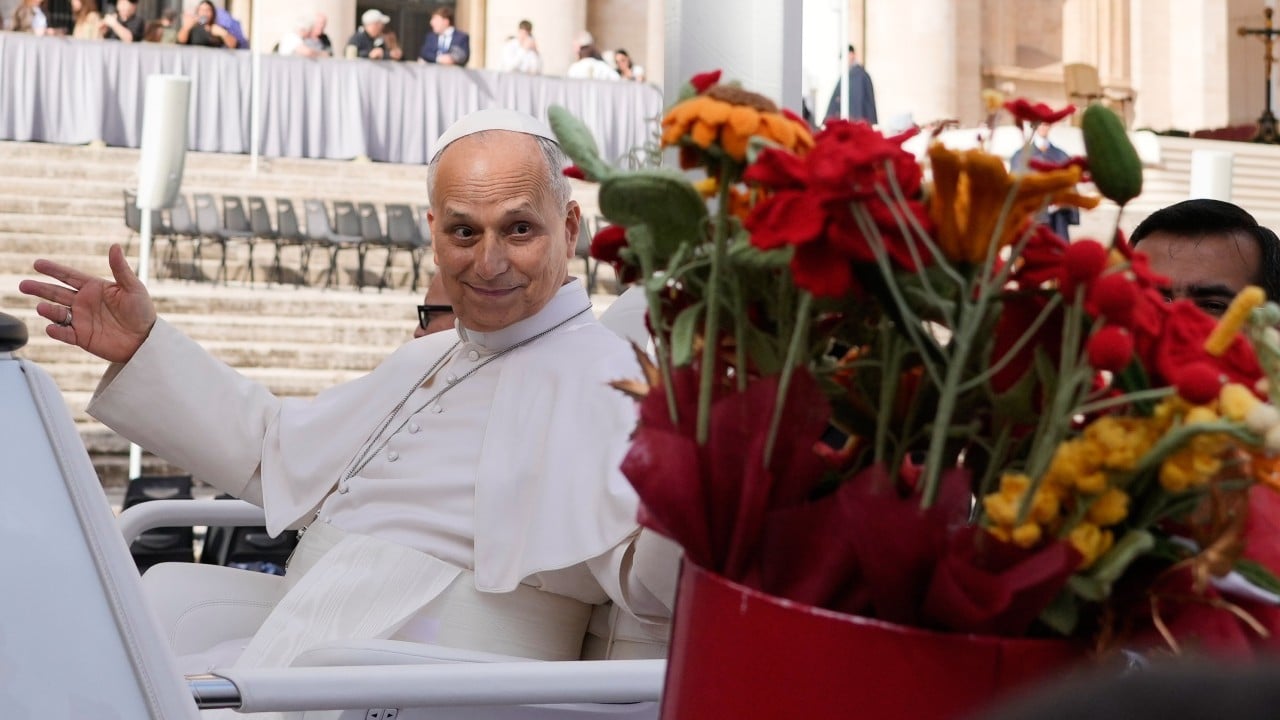
Pope Leo XIV does not need chemotherapy, radiation, or further cancer treatment after surgeons removed a localized lung tumor in October 2026. His medical team confirmed that tissue analysis showed the cancer was confined to the removed lower lobe of his right lung, allowing the 71-year-old pontiff to bypass additional oncology therapy and proceed with a grueling November journey across Uruguay, Argentina, and Peru.
On paper, that is the cleanest possible outcome for a sitting pope facing a cancer diagnosis. A nodule spotted during a routine checkup. A swift operation led by chief thoracic surgeon Dr. Stefano Margaritora at Rome's Gemelli Hospital on October 13. A discharge four days later, followed by an announcement on October 22 from Dr. Margaritora and personal physician Dr. Luigi Carbone that no further therapy was required.
In Vatican reporting, stories like that usually get filed under relief and wrapped up with a quote about endurance. After decades covering institutional crises and high-stakes leadership transitions, I have learned to read press releases like legal contracts. What they leave unsaid matters just as much as what they print.
The Medicine Behind Skipping Further Treatment
When a patient hears that a cancerous nodule was localized and removed by lobectomy, the immediate assumption among laypeople is often that the threat is completely erased. Clinical reality is more nuanced.
Localized disease in early-stage lung adenocarcinoma means pathology and staging evaluations did not find evidence of spread beyond the resected tissue and sampled lymph nodes at the time of surgery. When margins are clear and staging looks favorable, skipping adjuvant chemotherapy or radiation avoids toxicity that offers little proven benefit and carries real risks for an older patient.
No further treatment now does not mean zero future vigilance.
Even after complete surgical removal of an early-stage lung malignancy, oncologists typically rely on scheduled surveillance imaging—most commonly periodic low-dose or diagnostic chest CT scans—to watch for recurrence or new nodules over time. A surgeon can take out a lobe cleanly. Nobody can guarantee microscopic cells never stray or that a second unrelated spot never appears years down the road.
There is also a practical tension between surgical clearance and physical recovery. Doctors cleared Pope Leo for his South American itinerary, noting no clinical bar to flying weeks after surgery. Yet Leo himself put his condition plainly during an airborne press conference returning from Peru in mid-November: he was not at one hundred percent, though he felt pretty good and leaned on his endurance. Saying you feel good is not the same as claiming full respiratory capacity after losing a lobe of lung.
A Different Kind of Vatican Transparency
For years, papal health coverage followed a familiar script. Rumors swirled. Official statements stayed tight. Hospitalizations were framed around minor infections, exhaustion, or routine checks until circumstances forced fuller disclosure.
Pope Leo broke that mold in noticeable ways. He walked into Gemelli Hospital on foot rather than arriving amid emergency secrecy. He spoke candidly aboard the papal plane about how the shadow on his lung surprised him because he felt fine and had no symptoms. He even pointed to his North American upbringing when explaining why he talks directly about his health rather than treating every medical detail as state intrigue.
That candor is refreshing. It is also smart politics.
When a leader has a visible, concrete diagnosis—lung cancer—speculation about hidden decline is harder to sustain than when officials offer vague euphemisms. By putting the diagnosis, the surgery date, and the pathology clearance into the open, the Vatican blunted worst-case whispers before they could harden into conventional wisdom.
Still, candor has limits. Public summaries rarely publish full pathology staging tables, exact margin measurements, or long-term pulmonary function test numbers. Observers are asked to trust the consensus of the pontiff's doctors, and in this case, the clinical logic aligns with standard oncology practice for small, localized tumors.
Why a Good Prognosis Still Shakes Institutional Math
A 71-year-old head of state and spiritual leader does not operate in a vacuum. Even when treatment ends early, the diagnosis itself changes how insiders and outsiders calculate time.
Consider a hypothetical example of how an executive board or diplomatic corps reacts to a similar scare. Suppose a chief executive in their early seventies undergoes a successful operation for an early-stage tumor, avoids chemotherapy, and returns to international travel within a month. On paper, productivity is intact. Behind closed doors, board members still update succession timelines, scrutinize travel schedules more closely, and ask how much strain a grueling calendar places on stamina.
The papacy magnifies that dynamic tenfold.
Leo has insisted his agenda, outlook, and priorities have not shifted, and he has projected a long pontificate focused on unity and healing while dismissing any need for a provisional letter of resignation. Some advisers were caught off guard by how openly he addressed the matter. Others know that papacies are shaped as much by calendar pressure and physical toll as by doctrine.
High-altitude stops, long-haul flights, and multi-country tours test healthy people. Several members of the travelling delegation and press corps fell ill during the November South American swing, underscoring how punishing that pace can be. Leo made it through in high spirits, joking with reporters on the flight home. That resilience earned him real credibility.
What Watchers Should Actually Track Next
If you want to judge how this chapter truly settles, ignore the headlines declaring the medical story closed. Watch the quieter indicators over the next six to twelve months.
- Travel pacing and recovery margins: Notice whether future international trips keep dense multi-city schedules or build in wider rest buffers between flights and high-elevation appearances.
- Routine scan milestones: Pay attention to periodic health updates without assuming silence means bad news or every checkup signals a crisis.
- Administrative delegation: Watch how Leo distributes routine curial workload and diplomatic travel as his 2027 schedule takes shape.
The bottom line is straightforward. Pope Leo caught a localized lung cancer early, had the affected lobe removed, and does not need follow-up oncology treatment. That is genuine good news—and a reminder that early screening works, even when the diagnosis initially stops you cold.


