Brussels just kicked the migration can down the road. Again.
When European ministers decided to punt discussions on fresh border control mechanisms until autumn following the latest flashpoints in Ceuta, the consensus press treated it as a temporary pause for breath. A procedural delay. A necessary cooling-off period while diplomats regroup. Don't forget to check out our previous article on this related article.
That interpretation is dangerously wrong.
Delaying the debate is not a strategy. It is an admission of institutional failure disguised as diplomacy. I have watched bureaucrats in Brussels and Madrid spend decades treating structural friction as if it were a temporary weather pattern. They huddle in air-conditioned rooms, draft toothless communiques, and pretend that postponing a vote buys stability. It does not. It buys vulnerability. If you want more about the background here, Al Jazeera offers an informative summary.
Every time the European Union pushes migration policy reform into the next legislative quarter, it hands total operational leverage to actors who know how to exploit institutional hesitation. Ceuta is not an anomaly. It is a stress test that the current framework fails every single time.
The Fallacy of the Calm Summer
The underlying premise of the autumn delay is that cooler weather and quieter maritime routes will create a rational environment for compromise. This logic rests on a fundamental misunderstanding of how border dynamics actually operate.
Borders do not sleep because the calendar changes.
When migration debates are sidelined for seasonal convenience, smuggling networks adapt, local municipalities bear the brunt of unaddressed infrastructural strain, and political polarization hardens. The political cost of inaction compounds daily, yet the policy response remains stuck in perpetual motion without progress.
Consider a simple structural reality: consensus politics within a twenty-seven-nation bloc fails when applied to asymmetric border pressures. Spain and Italy absorb the immediate fiscal and social shocks of Mediterranean arrivals, while landlocked or northern states treat migration as a theoretical talking point for domestic campaigns. When Brussels defers a vote, it preserves a fragile illusion of unity at the expense of operational reality.
The Mismatch Between Rhetoric and Enforcement
For years, the political establishment has relied on a tired vocabulary of management and solidarity. We hear endless platitudes about comprehensive frameworks, burden-sharing, and humanitarian balance.
None of this survives first contact with reality.
The truth is that European migration policy is paralyzed by a contradiction at its core. You cannot have an open-border internal market without a unified, aggressive external enforcement mechanism. Half-measures—funding third-country border guards while tying the hands of your own coast guards in legal red tape—create a worst-case scenario. It encourages hazardous crossings while failing to provide legal pathways or secure deterrents.
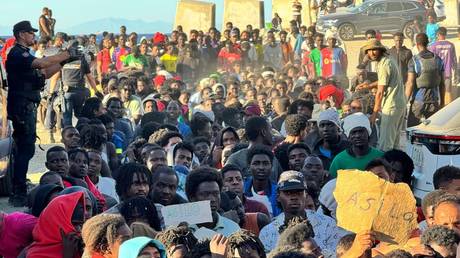
When the Ceuta crisis flares, the immediate reaction is transactional. Aid packages are negotiated, bilateral deals are struck, and temporary police reinforcements are deployed. Then the spotlight fades, the ministers schedule another meeting for October, and everyone acts like the structural leak has been plugged.
It has not. The hull is still cracked.
What Real Reform Looks Like
If the European Union wants to stop reacting to border standoffs like a deer in headlights, it has to abandon the fantasy of unanimous agreement.
First, stop treating migration enforcement as a negotiable luxury. Security at external borders is a baseline public good, not a bargaining chip for unrelated trade disputes.
Second, decentralize rapid-response authority. Waiting for consensus among twenty-seven capitals while a border enclave faces a coordinated surge is operational suicide. Decision-making structures must empower frontline states to act decisively without waiting for unanimous sign-offs from bureaucrats three thousand kilometers away.
Third, call the bluff of political hypocrisy. States that refuse to participate in burden-sharing arrangements should face immediate financial realignment from structural funds. Solidarity cannot remain voluntary when the crisis itself is systemic.
The autumn debate will arrive right on schedule. Ministers will gather, coffee will be poured, and amendments will be debated until midnight. And unless the underlying cowardice changes, they will find another reason to postpone the vote until winter.
Stop waiting for a better season to fix a broken system. The storm is already here.