The feel-good headline is the cheapest currency in modern sports marketing. You have seen the formula repeated across every major network: a legendary athlete discovers a fan facing a terminal diagnosis, extends an invitation to a high-profile international race, and the internet erupts into collective tears. It is treated as a spontaneous outburst of pure human empathy.
It is not. It is a highly optimized asset activation strategy.
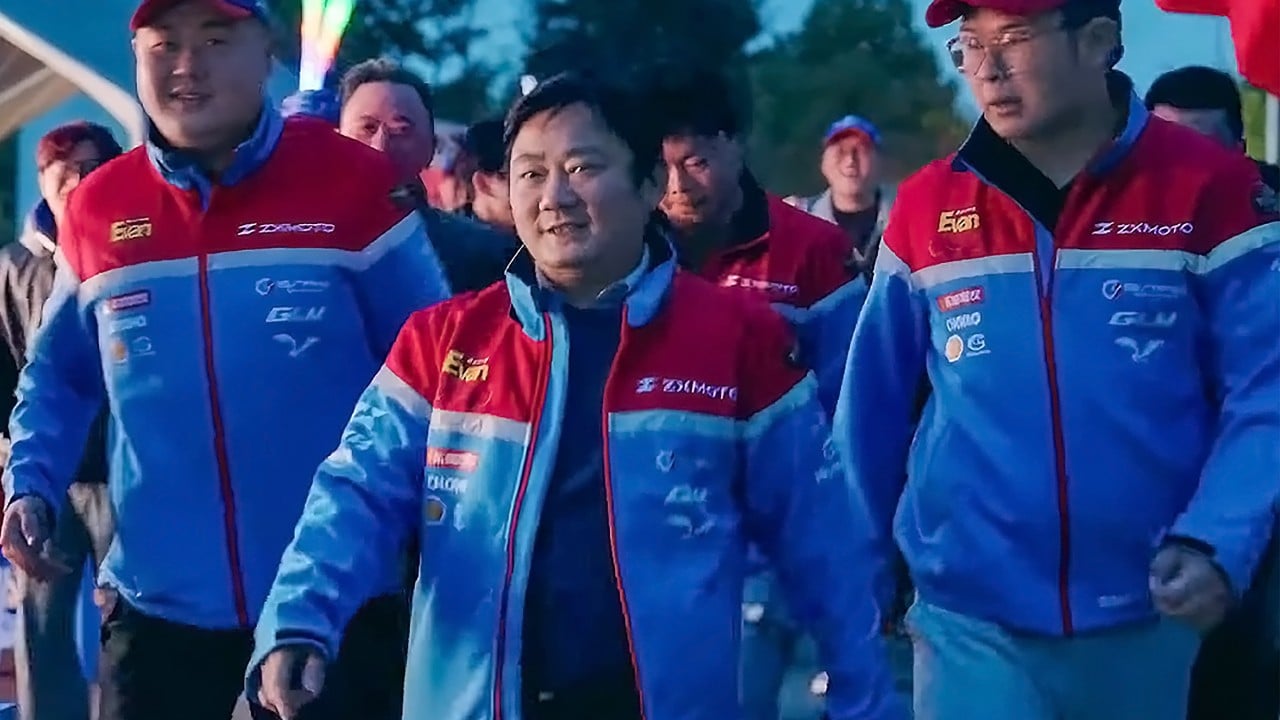
When news broke that a Chinese motorcycle racing figure invited a fan with late-stage cancer to an event in Italy, mainstream media outlets fell over themselves to paint it as a triumph of the human spirit. They missed the actual mechanics at play. In the hyper-monetized world of international motorsports, genuine human connection is routinely packaged, polished, and pushed through a pipeline designed to maximize brand equity. The collective obsession with these manufactured moments blinds us to a simpler, harsher reality: corporations and high-tier athletes use tragedy as a marketing vehicle because it yields the highest return on emotional investment.
The Anatomy of the Manufactured Miracle
Every corporate communications department follows an unwritten playbook for crisis and sentiment management. When an athlete or a team engages in a public act of charity, the public assumes the sequence of events is entirely organic. The insider reality is far more calculated.
Imagine a scenario where a brand tracking tool flags a rising social media narrative involving a terminally ill fan. The traditional, pre-digital response would be a private letter or a signed piece of merchandise shipped quietly to the fan's home. Today, that is considered a wasted opportunity.
Instead, the modern sports enterprise deploys a specific sequence:
- The Discovery: A digital media manager spots the viral potential of a fan story.
- The Risk Assessment: Legal and PR teams vet the individual to ensure no past social media posts or affiliations pose a threat to the brand.
- The VIP Escalation: The athlete is briefed, often handed a script or a bulleted list of talking points, and the "spontaneous" invitation is extended via a public platform to guarantee maximum visibility.
- The Media Capture: A dedicated production crew is assigned to document the fan's journey, transforming private grief into polished digital content.
This is not to say the athlete feels absolutely nothing. But the moment a camera crew is attached to an act of kindness, the nature of the act fundamentally changes. It transitions from charity to content.
Why Emotional Capture Exploits the Consumer
Mainstream sports journalism asks: "Isn't it wonderful that this platform can bring joy to someone in their final days?"
The correct, contrarian question to ask is: "Why do we require the public display of suffering to validate the humanity of our sporting icons?"
Sports franchises utilize a psychological mechanism known as emotional capture. By aligning their brand with raw, indisputable human tragedy, they create an armor of invincibility against criticism. If a motorcycle manufacturer or a racing team is actively fulfilling the dying wish of a fan, the public temporarily forgets about supply chain controversies, inflating ticket prices, or declining safety standards on the track.
I have watched racing teams allocate tens of thousands of dollars to fly a single fan across the globe for a weekend photo-op while simultaneously cutting funding for grassroots rider safety initiatives or local track developments. The math is simple. A grassroots safety initiative does not generate ten million views on TikTok. A dying fan standing next to a multimillion-dollar prototype bike does.
The Logistics of the Photo-Op
Let us break down the brutal logistics of these international fan invitations. Flying an individual with late-stage cancer across continents is a medical and logistical nightmare.
- Insurance Liability: The legal waivers required to transport a critically ill individual to a high-decibel, high-stress racetrack environment are extensive. Teams must secure specialized medical clearances, which frequently involve indemnifying the organizing body (such as Dorna or the FIA) from any medical emergencies that occur on-site.
- The Media Schedule: The fan is rarely just a guest; they are a participant in a grueling media schedule. They are moved from the paddock to the hospitality suite, positioned perfectly for the pre-race broadcast window, and required to repeat their story to multiple media rights holders.
- The Post-Event Drop: Once the race weekend concludes and the broadcast trucks pack up, the corporate apparatus vanishes. The fan returns home to reality, while the brand retains a library of b-roll footage to use in end-of-year sponsor decks.
This isn't altruism. It is an exchange of access for narrative compliance.
Dismantling the Fan-Centric Lie
The sports industry loves to propagate the myth that "the fans are the lifeblood of the sport." This is standard marketing rhetoric designed to keep working-class consumers spending a disproportionate amount of their income on merchandise and streaming subscriptions.
If motorsports organizations genuinely prioritized the fan base, the structural barriers to entry would not be rising exponentially. Ticket prices for major Grand Prix events have outpaced inflation significantly over the last decade. Access to the paddock, once available to dedicated enthusiasts who knew the local mechanics, is now locked behind multi-thousand-dollar VIP corporate packages.
The invite-a-dying-fan playbook serves as a cheap distraction from this systemic exclusion. It allows the corporate entity to point to a single, hyper-publicized instance of generosity and say, "See? We care about the ordinary fan," while simultaneously pricing that exact ordinary fan out of the stadium.
The Alternative to the PR Circuit
There is a defensible, highly effective alternative to this cynical cycle, but it requires a level of corporate humility that few modern brands possess. It requires quiet execution.
True corporate responsibility in sports means decoupling charity from marketing metrics. If a racing legend wants to invite a fan to a race in Italy, they should do it entirely off the grid. No press releases. No camera crews in the hospitality lounge. No social media managers tracking the hashtag engagement of a terminal illness.
The moment a brand insists on documenting an act of mercy, they are no longer the benefactor. They are the beneficiary.
Stop consuming the manufactured sentimentality fed to you by sports networks. The next time you see a viral video of an athlete saving the day for a sick fan, look past the tears. Look at the logos prominently displayed on the athlete's shirt. Look at the watermarks on the video. Look at the corporate machinery spinning tragedy into gold.
Demand that your sports icons be excellent at what they do, but stop letting them use the veneer of public compassion to buy your uncritical loyalty. Turn off the tear-jerker featurettes. Demand structural accessibility, lower ticket prices, and real investments in the community rather than the occasional, highly curated spectacle of mercy.
Stop buying the narrative. The engine running that heartwarming story isn't compassion; it is capital.