Paper trails rarely smell like bleach. Usually, they smell like nothing at all—just the sharp, sterile scent of toner on heavy cardstock, filed away in cabinets that haven't been opened since Tuesday.
We tend to think of corruption as a loud thing. We picture sirens cutting through midnight fog, suitcases bursting with banded bills, handcuffs clicking shut against courthouse steps. But the reality is far quieter. It sounds like the rhythmic clatter of a high-speed printer in an air-conditioned office. It looks like an extra zero added to an invoice for industrial floor wax.
Consider the ledger.
To the untrained eye, a cleaning contract is a document of small mercies: pristine tiles, emptied wastebaskets, polished brass handrails in commercial towers where people make fortunes on computers. It is the invisible infrastructure of ambition. Thousands of workers push heavy carts across linoleum floors every night, earning wages that barely keep pace with the city they scrub clean. They are the background noise of corporate success.
Yet behind the gleaming glass facades, spreadsheets tell a different story.
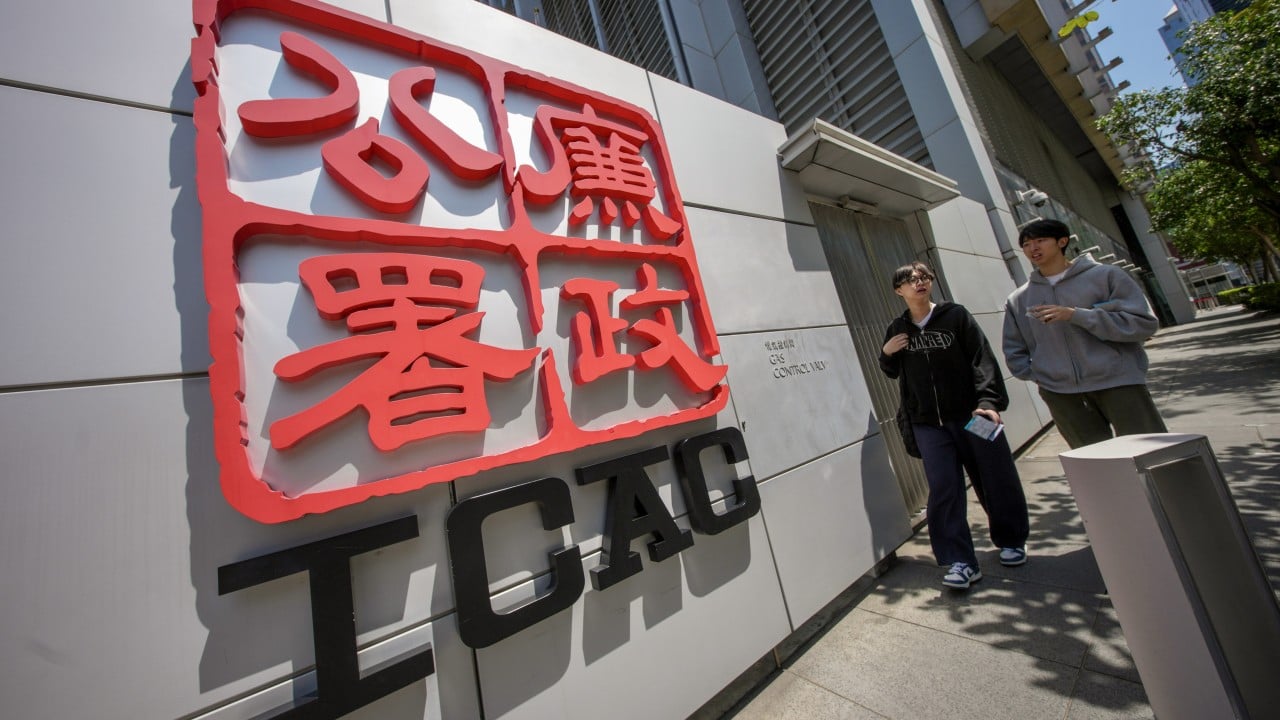
Two executives at a prominent cleaning firm discovered a shortcut to a different kind of wealth. They did not invent a new technology or revolutionize corporate logistics. Instead, they relied on an ancient, pedestrian mechanism: the kickback. Over a period that felt ordinary to the outside world, seventy-five million Hong Kong dollars quietly shifted hands.
That is not a typo. Seventy-five million.
Try to picture that sum in physical space. It does not fit in a briefcase. It does not stack neatly in a desk drawer. It is a dense, heavy abstraction composed of digital transfers, inflated supply costs, and whispered agreements over lunch in restaurants where the napkins cost more than a week of groceries for the people emptying the office trash cans.
How does a system like that function without tripping every alarm in the building?
Bribes rarely begin with a dramatic proposition. They start with a convenience. A supplier offers a slight markup, promising a discreet bonus for the executive who looks the other way on quality, or volume, or basic market value. At first, it feels harmless. Just a rounding error in a massive corporate budget. A drop of water in an ocean of overhead.
Then the drop becomes a stream. The stream becomes a current.
Before long, the executives are no longer managing a cleaning company; they are managing a conduit. Every mop bucket, every gallon of industrial detergent, every box of trash liners becomes a vehicle for extraction. The supplier inflates the price. The executives approve the invoice. The difference is sliced, packaged, and routed through channels designed to blur the line between legitimate commerce and theft.
And who pays for the polish?
It is easy to view corporate bribery as a victimless crime—a dispute between wealthy entities, an internal audit gone wrong, a headline to scroll past while waiting for the morning train. But money does not materialize out of thin air. Every inflated invoice trickles down. It pressures profit margins. It depresses wages for the crews who actually do the physical labor. It compromises the quality of supplies, forcing workers to make do with substandard equipment while executives divide the spoils in air-conditioned suites.
Trust is a fragile architecture. Once hollowed out by greed, it collapses inward.
When law enforcement agencies and anti-corruption investigators finally step in, the illusion of normalcy shatters all at once. Accountants pore over years of receipts. Computers hum through terabytes of email archives, searching for coded language and sudden lifestyle upgrades. Luxury cars appear on asset seizure lists. Bank accounts freeze with a keystroke.
The aftermath is rarely cinematic. There is no triumphant speech on the courthouse steps. There is only the slow, grinding machinery of accountability catching up with human ambition.
We walk through spotless buildings every day, trusting that the world we touch is built on honest foundations. We assume the price of soap reflects the soap, the price of labor reflects the labor, and the people at the top are guarding the gates, not picking the locks.
When that trust breaks, it leaves a stain that no amount of industrial cleaner can ever quite wash away.
The ledgers are closed. The accounts are frozen. But the question remains, lingering in the quiet corridors long after the cleaning crews have gone home: how many other ledgers are sitting in the dark right now, waiting for someone to finally turn on the light?