The generator hums a low, teeth-rattling bassline against the concrete floor of a small kitchen in Lagos. It is 5:30 AM. Amara measures out exactly two tablespoons of powdered milk into a plastic cup. A year ago, she did not measure. She poured. Today, the tin is a luxury item, guarded like a family heirloom. Outside, the morning air smells of diesel and exhaust, the familiar perfume of a city that refuses to sleep, even when it is hungry.
Amara is not a statistic, but her morning routine is governed by them. Inflation numbers, currency devaluations, and supply chain disruptions are invisible ghosts sitting at her breakfast table. When the Nigerian naira took its dramatic plunge against the dollar, it did not just shift numbers on a trading screen in London or New York. It changed the architecture of Amara’s shopping basket. If you enjoyed this post, you should read: this related article.
While families across Africa’s most populous nation cut back, skip meals, and substitute fresh meat with bullion cubes, a strange paradox is unfolding on the local stock exchange. The corporate titans of the food industry are not suffocating. They are thriving.
To understand why the giants of flour, sugar, and instant noodles are posting record revenues while the average kitchen cupboard is bare, you have to look past the boardroom balance sheets. You have to look at the psychology of survival. For another angle on this development, see the recent update from MarketWatch.
The Shrinkage of Dignity
When times get tough, large corporations do not stop selling. They simply change the shape of the transaction. In corporate boardrooms, this is called portfolio optimization or price-pack architecture. On the streets of Mushin or Balogun market, it is known as the "sachet economy."
Consider a hypothetical shopper named Ibrahim. He earns a daily wage loading trucks. He cannot afford a two-kilogram bag of detergent, a whole box of cubes, or a full carton of milk. He possesses what economists call low liquidity but consistent demand. He still needs to eat today.
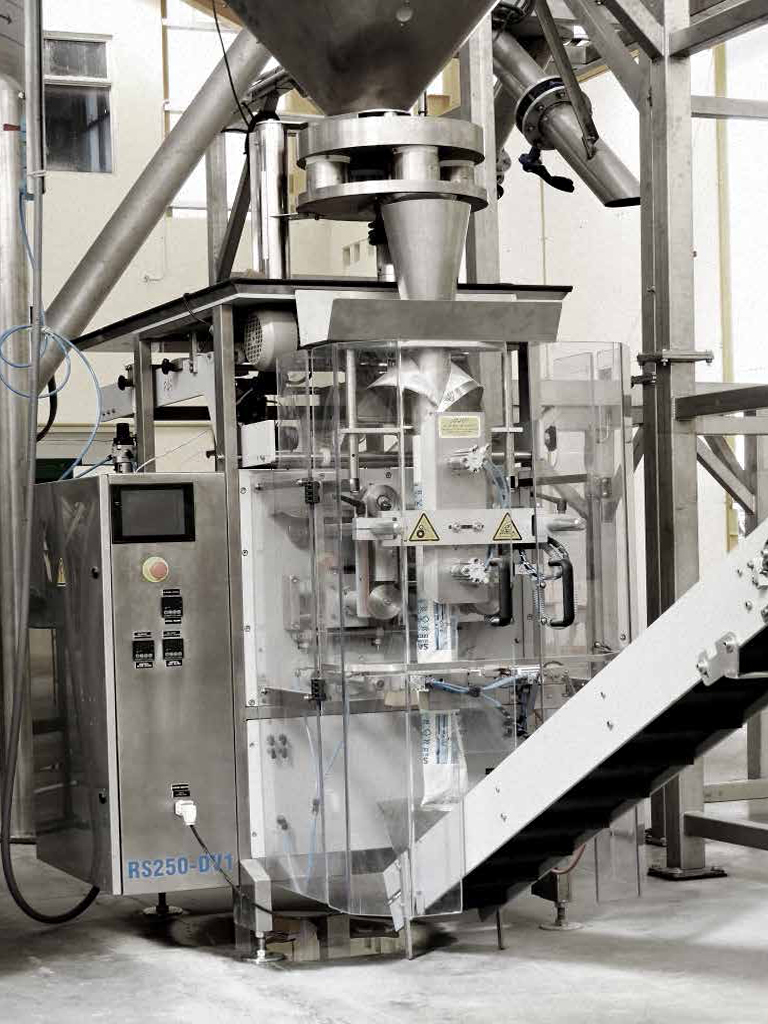
The major food conglomerates understood this long before the current crisis hit. They re-engineered their factories to produce micro-portions. Packets of noodles, single-use sachets of tomato paste, and tiny squares of seasoning cubes became the lifeblood of the retail market.
This is not a failure of the market; it is a masterclass in adaptation. By shrinking the entry price of a product to a few naira, companies keep their brands inside Ibrahim’s house. He still buys their flour, their oil, and their sugar. He just buys it one desperate day at a time.
The math, however, tells a brutal story. When you buy food in micro-portions, you pay a massive premium for the packaging and the distribution. Per gram, the sachet is almost always more expensive than the bulk box. The poorest consumers end up paying the highest unit price for sustenance. It is an invisible tax on poverty, converted directly into corporate revenue.
The Fortress of Scale
It is tempting to view these large food corporations as predatory, but the reality is more complex. They are navigating an environment that would dismantle almost any business operating in a softer economy.
Nigeria is a country of immense promise, but its infrastructure presents a daily obstacle course. Grid electricity is a myth for most manufacturers; they run massive private power plants fueled by gas or diesel. Roads are plagued by potholes that swallow truck axles, and security concerns along major transport corridors mean that moving grain from the northern farms to southern mills is an exercise in high-stakes risk management.
How do you survive when the cost of diesel doubles in a matter of months and your trucks are stuck in traffic for days?
You rely on scale.
The biggest food companies in Nigeria—the millers of flour, the refiners of sugar, the packagers of noodles—possess an asset that small and medium enterprises cannot replicate: deep pockets and vertical integration. When the currency collapsed, smaller food processors could not secure the foreign exchange needed to import wheat or machinery components. They choked on the sudden cash crunch and quietly closed their doors.
The giants stepped into the vacuum.
When a competitor dies, their market share does not vanish. It flows directly to the survivor. The dominant food businesses have been able to pass rising production costs onto the consumer because, quite simply, there is nowhere else for the consumer to go. If you need bread, you buy flour from one of a handful of industrial millers. If you need a quick, cheap meal, the instant noodle market is dominated by a few massive players.
This is the mechanics of insulation. The same economic shocks that crush the middle class act as a consolidating force for the market leaders. The moat around their businesses grows wider with every crisis.
The Grain Pipeline
Step inside one of the mega-mills near the Lagos port. The scale is intoxicating. The silver silos reach toward the humid sky like monuments to industrial appetite. Here, thousands of metric tons of imported wheat are sucked from the hulls of ships and transformed into the white powder that feeds a nation of over two hundred million people.
The executives who run these operations do not look like villains. They look like tired mechanics trying to keep an overburdened engine from throwing a rod. They speak in terms of margins, hedging, and backward integration—the corporate effort to source raw materials locally rather than importing them.
For years, the government has urged these businesses to use local cassava, local maize, and local rice. But the corporate preference for imported grain is not born out of stubbornness; it is born out of a need for predictability. An industrial bakery cannot function if the flour changes texture from week to week. A massive noodle factory cannot rely on smallholder farmers who lack irrigation, modern seeds, and reliable transport to the factory gate.
So, the corporations continue to buy on the global market, paying in dollars while earning in naira. When the exchange rate shifts, the calculus changes instantly.
To maintain their margins, these firms have turned efficiency into a religion. They have automated production lines, optimized delivery routes using real-time tracking data, and renegotiated contracts with global suppliers. They have become leaner, smarter, and incredibly resilient.
But efficiency has a human cost. A fully automated packaging line requires fewer hands. In a country with massive youth unemployment, the growth of these corporate juggernauts does not necessarily translate into an abundance of new, stable jobs. It translates into optimized returns for shareholders.
The Menu of Substitutions
The true battlefield of the current economic climate is the human stomach. Consumers are engaged in a daily, subconscious game of nutritional chess.
When the price of beef skyrocketed, families switched to fish. When fish became too expensive, they turned to eggs. When eggs climbed out of reach, they relied on beans and seasoning cubes to mimic the flavor of meat.
This shifting pattern of consumption creates winners and losers within the food industry itself. Premium brands—the high-end biscuits, the imported chocolates, the luxury breakfast cereals—are suffering. Their volumes are dropping as the middle class slides downward.
The real money is now made at the bottom of the pyramid. The companies that are prospering are those whose products are classified as "inelastic essential goods." You can choose not to buy a new shirt. You can patch your shoes. You cannot tell your children that eating is postponed until the next quarter.
This reality has forced a strategic pivot. The most successful food businesses in Nigeria are no longer marketing aspiration; they are marketing survival. Their advertisements do not feature glamorous families in pristine kitchens. They feature street-smart vendors, resourceful mothers, and hard-working laborers making every kobo count.
The Paradox of the Balance Sheet
There is an undeniable discomfort in looking at a corporate financial statement that boasts 40% revenue growth alongside a news report on rising food insecurity. It feels wrong. It looks like exploitation.
But a cold analysis reveals a more nuanced truth. If these massive food corporations were to fail—if they were to succumb to the currency shocks and the security crises—the alternative would not be cheaper food. It would be no food at all.
Without their massive logistics networks, their ability to negotiate global shipping rates, and their capacity to generate their own electricity, the supply chains that feed Nigeria's mega-cities would simply collapse. They are the fragile scaffolding holding up the food security of a nation in transition.
Their prosperity is not a sign that the economy is healthy. It is a sign that they have learned to monetize scarcity and volatility. They have treated inflation not as a temporary storm to be weathered, but as the permanent climate in which they must operate.
The View from the Counter
Back in the Lagos morning, the sun has finally burned through the harmattan haze. Amara walks down her street to a small wooden kiosk, the type of neighborhood shop that dictates the daily rhythm of life in Nigeria.
The shopkeeper, a woman known to everyone as Mama Ngozi, sits behind a counter stacked high with pyramids of small packages. There are red sachets of tomato paste, yellow pouches of powdered milk, and individual bricks of instant noodles.
Amara hands over a crisp banknote. She receives three small packets in return. The transaction is quick, polite, and completely devoid of sentiment.
Mama Ngozi adjusts her display, moving the smaller, cheaper packs to the front where they can be easily seen. She knows what her customers can afford today, and she knows it will likely be less tomorrow.
Behind Mama Ngozi’s kiosk stands the entire apparatus of modern global commerce: the shipping lines, the industrial mills, the corporate boards, and the foreign investors. They have all aligned to deliver that single, tiny sachet into Amara’s hand at a price that keeps the factory running and the corporate profits rising.
The system works perfectly. The shareholders are satisfied. The logistics are optimized. The revenue is secure.
But as Amara walks back to her kitchen, tearing open the plastic with her teeth to prepare a meal that is smaller than the one she made yesterday, you realize the true cost of this corporate resilience. The businesses are surviving the storm. The question that remains unanswered, hanging over the smoky morning air, is how much longer the people can do the same.