The air inside a suburban kitchen at six in the morning smells like burnt toast and yesterday's anxiety. Across America, millions of people stand over their coffee makers, watching the dark liquid drip into the carafe while their minds race toward a single, invisible number flashing on a sign down the street. It is the price of crude oil. It is the cost of a gallon of regular unleaded. For most families, foreign policy is usually a distant abstraction—a collection of map lines, unfamiliar names, and distant capitals seen through the blue light of a television screen. But when the pump price climbs, that abstraction instantly transforms into kitchen-table math. Groceries cost more. The drive to work eats deeper into the paycheck. The entire rhythm of domestic life tightens.
We have spent decades conditioned to view global conflicts through the lens of ideology and existential threats. We are told that distant nations clash over democracy, religious lines, or the desperate race to build and contain nuclear weapons. Those are the storylines that dominate the evening news. They are clean. They are dramatic. They provide villains and heroes.
Yet beneath the grand rhetoric of geopolitical showdowns lies a far more pragmatic, grinding reality. Wars cost money. Economies run on combustion. When politicians pivot, they rarely do so because of a sudden philosophical awakening. They pivot because the ledger demands it.
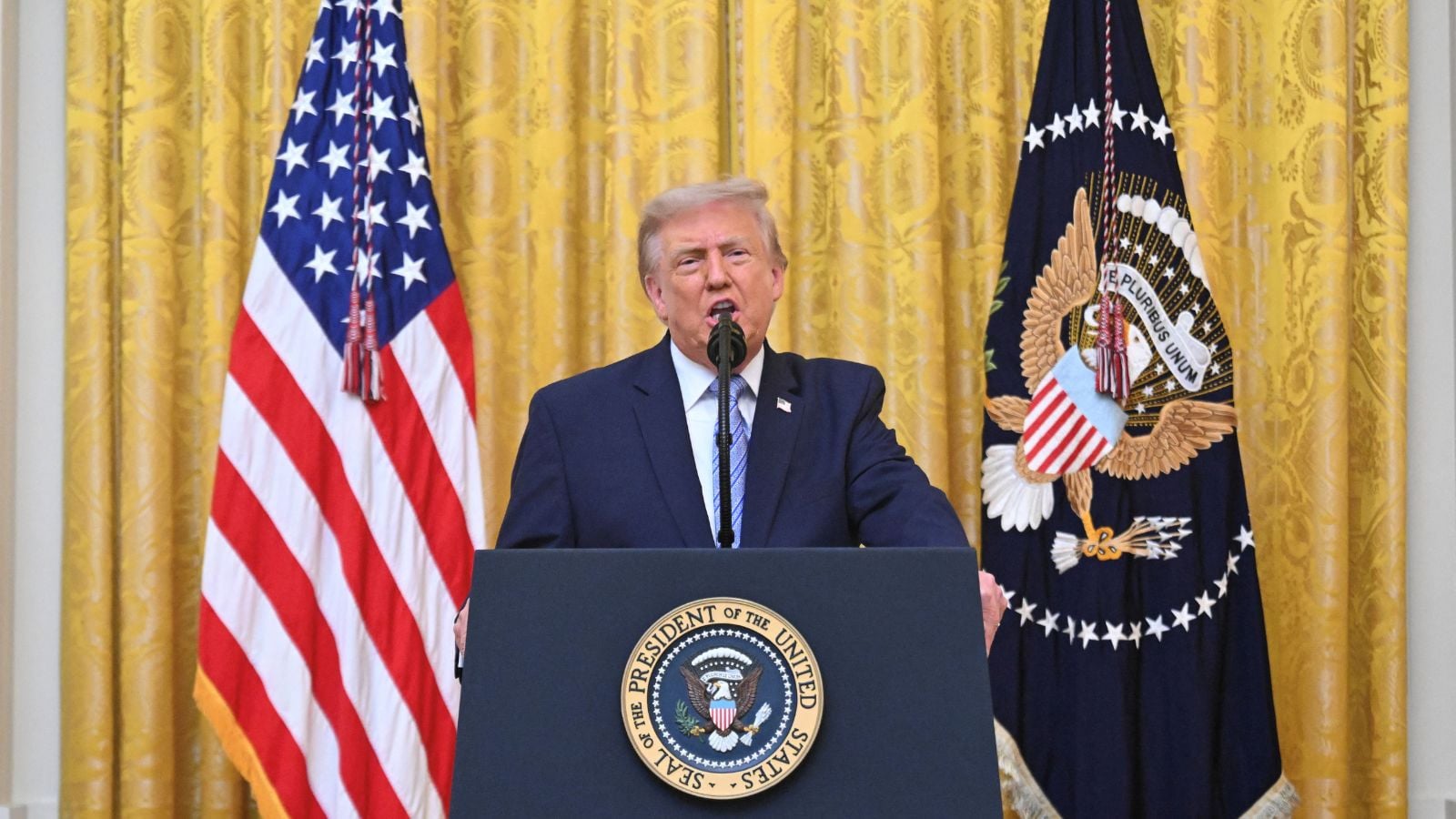
Consider the recent shift in tone from figures like JD Vance, who recently articulated a stark recalibration of American priorities regarding the standoff involving Iran. The public narrative has long centered on the monumental task of halting a nuclear enrichment program. It is a mission draped in high-stakes urgency. But suddenly, the focal point shifted. The primary objective is no longer solely about centrifuges spinning in heavily guarded underground bunkers. It is about the price of oil.
Why? Because a superpower cannot sustain its domestic stability or its global ambitions if its working-class citizens are crushed by energy inflation.
Imagine a fictional freight trucker named Marcus, who logs ten thousand miles a month hauling dry goods across the interstate highways of the Midwest. Marcus does not care about the fine points of uranium enrichment protocols. He cares about the diesel price reading on his dashboard. When fuel spikes by fifty cents a gallon, his profit margin vanishes. His truck payments become a tightrope walk. Multiply Marcus by three and a half million truck drivers, add every delivery van, every airline, every farm tractor, and every commuting parent, and you begin to see the architecture of the real economy.
Energy is the blood oxygen of modern civilization. When the supply constricts, the entire body politic hyperventilates.
For years, foreign policy hawks treated oil as a secondary variable in the grand equation of Middle Eastern containment. The prevailing wisdom insisted that stopping a nuclear program justified almost any economic shock. But economic shocks do not exist in a vacuum. They ripple outward, manifesting as political unrest at home. When inflation spikes, voters express their frustration at the ballot box. Leaders who ignore the cost of living quickly find themselves out of office, replaced by others who promise relief.
This is where the cold calculus of modern governance collides with moral imperatives. Prioritizing lower oil prices over the immediate containment of a nuclear program sounds transactional. To some, it feels dangerous. It risks signaling a retreat from non-proliferation goals that generations of diplomats labored to build.
Yet, the alternative is equally perilous. Chasing absolute security abroad while bankrupting the population at home creates a different kind of vulnerability. A nation crippled by internal economic strain cannot project strength anywhere. Weakness at home invites aggression abroad.
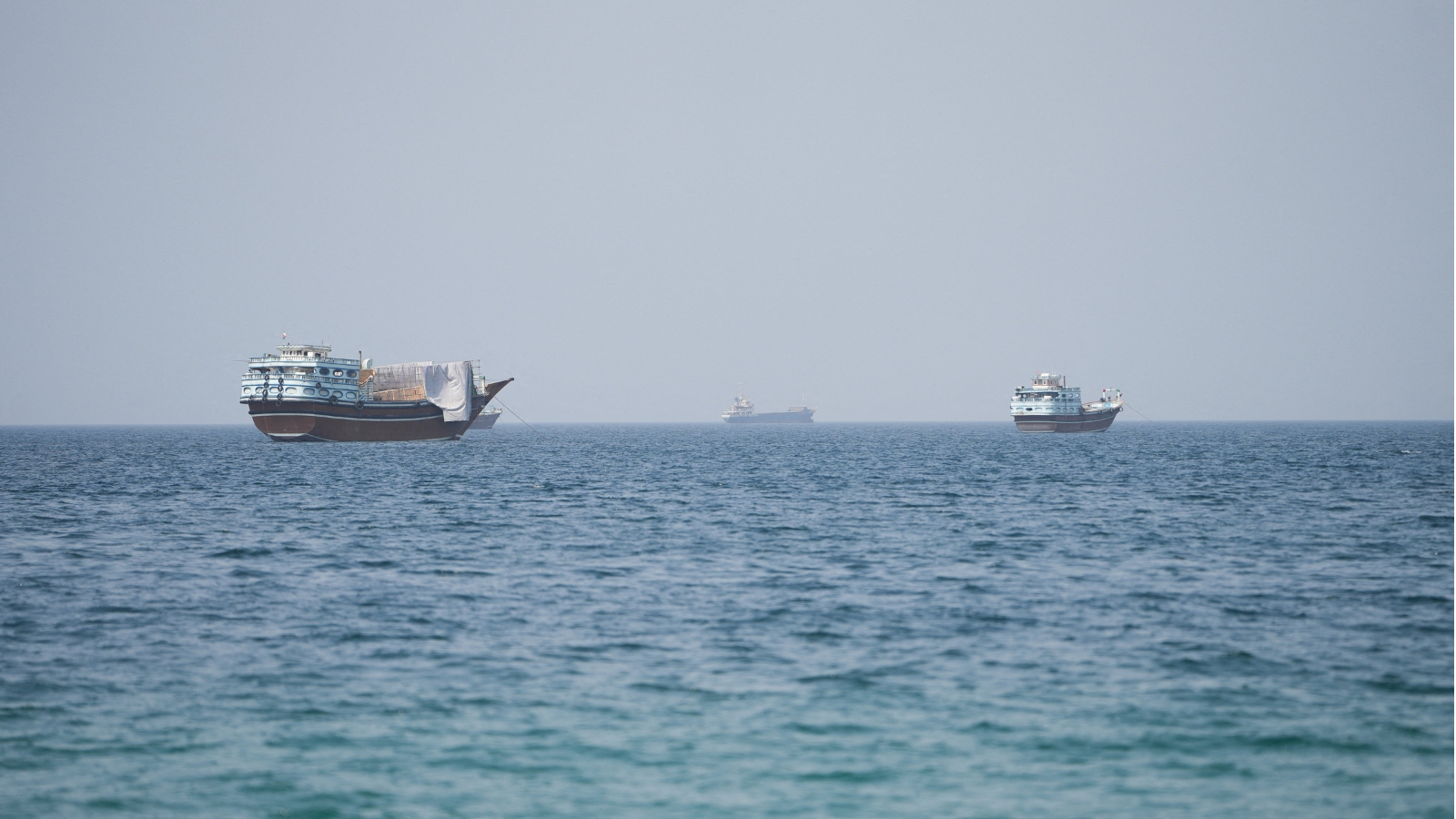
Consider what happens next when policy shifts toward price stabilization. It requires a delicate dance. It means finding ways to increase global supply, encouraging domestic production, or easing tensions in critical shipping lanes like the Strait of Hormuz without sparking a wider military conflagration. It means negotiating with adversaries or finding pragmatic workarounds that keep crude flowing.
The critics will argue that this approach sacrifices long-term safety for short-term relief. They will point out that a nuclear-armed state poses a permanent, catastrophic threat that no temporary dip in gasoline prices can offset. That argument holds weight. History is littered with examples of nations that traded long-term security for immediate comfort, only to pay an agonizing price later.
At the same time, the defenders of the pivot argue that an America bogged down by runaway inflation and economic stagnation cannot hope to lead the free world. Resources are finite. Political capital is exhaustible. If the public loses faith because they can no longer afford to fuel their cars, the political foundation for any foreign policy collapses entirely.
We find ourselves standing at this strange intersection of domestic survival and international strategy. The rumble of a tanker truck shifting gears on a dark highway matters just as much as the hum of a centrifuge turning in the desert. Both tell a story about power, survival, and the heavy price of modern life.
The dashboard light blinks empty, reminding us that no matter how grand the geopolitical theories sound in Washington boardrooms, the ultimate test of any policy happens right here, where the rubber meets the asphalt, and the cost of moving forward is counted one gallon at a time.