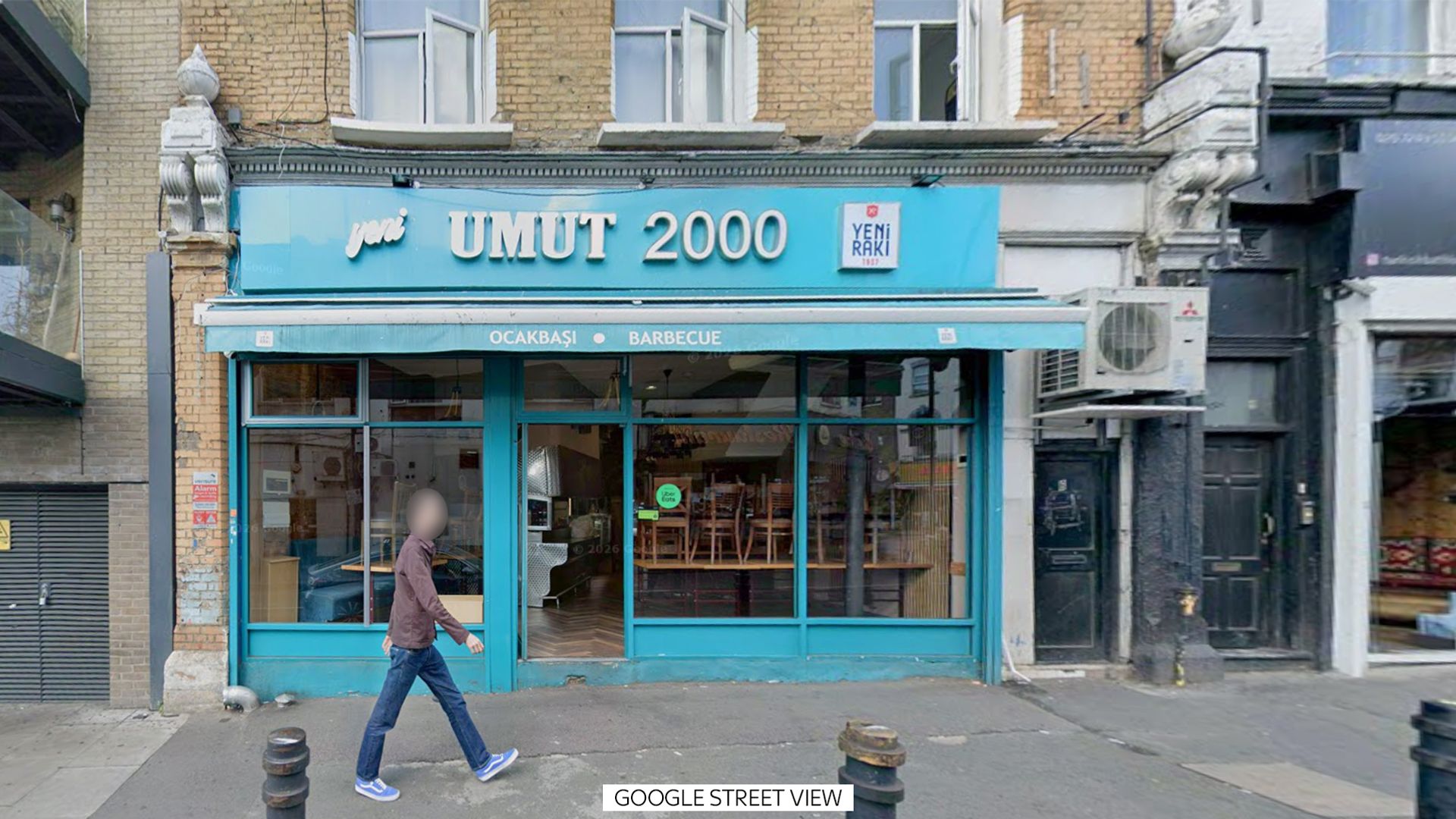
A man gets shot outside a restaurant in London because he allegedly refused to pay a six-figure sum to a gang. The headlines scream about "protection money." The public recoils in horror. The police issue a boilerplate statement about "ongoing investigations."
Everyone is looking at the bullet hole. Nobody is looking at the balance sheet.
The media loves the narrative of the "Turkish gang" or the "East End mob" because it fits a cinematic trope. It’s easy. It’s lazy. It’s also fundamentally wrong about how power and extortion actually function in a high-density urban economy. If you think this is just a story about a guy with a gun and a demand for cash, you’ve already lost the plot. This isn't just crime. This is a failed market state where the cost of doing business has been outsourced to the underworld because the legitimate state has abdicated its role.
The Lazy Consensus of Safety
The common take is simple: "This is a tragedy, and we need more bobbies on the beat."
Wrong. More police wouldn't have stopped a targeted extortion attempt that likely brewed for months in the backrooms of social clubs and encrypted messaging apps. The consensus assumes that the victim is a passive bystander and the aggressor is a random predator.
In reality, extortion in the hospitality sector is often a symptom of a shadow infrastructure. When a restaurant owner in a high-value district is hit with a £100,000 demand, it’s rarely the first interaction. It’s the final stage of a systemic failure.
I’ve sat in rooms with high-net-worth operators who treat "security consultants"—often just retired muscle with better suits—as a line-item expense. They don't call the police when the first threat comes in. Why? Because the police can't offer a guarantee of continuity. If you report a threat, the police might make an arrest in six months. In the meantime, your windows are smashed, your staff quits, and your brand is toxic.
The "protection" being sold isn't protection from the gang itself. It’s the purchase of "order" in a chaotic environment where the legal system is too slow to be relevant.
The Math of the Shakedown
Let’s look at the £100,000 figure. To the average reader, that’s a king’s ransom. To a high-turnover restaurant in a prime location, it’s an aggressive tax.
Criminal organizations aren't stupid. They don't pick numbers out of a hat. They perform a crude but effective audit of your business. They look at your foot traffic. They check your Companies House filings. They know your margins better than your accountant does.
When a demand hits that level, it’s a hostile takeover attempt disguised as a robbery.
The Calculus of Compliance
Imagine a scenario where a business generates £1.5 million in annual revenue with a 15% margin.
- Net Profit: £225,000.
- Extortion Demand: £100,000.
- The "Legal" Cost: Hiring 24/7 private security, installing forensic-grade CCTV, and dealing with the inevitable 30% drop in revenue once word gets out that your doorway is a crime scene.
The business owner is forced into a "Game Theory" trap. If they pay, they lose their profit but keep their life and their business. If they fight, they lose the business anyway. The state’s failure to provide a "zero-cost" security blanket makes the gang’s offer the only logical, albeit soul-crushing, financial decision.
We shouldn't be asking why he didn't pay. We should be asking why the British state has allowed the "cost of safety" to become a private burden.
The Myth of the "Foreign Gang"
The media loves to prefix these crimes with an ethnicity. "Turkish gang." "Albanian mob." "Italian mafia."
This is a distraction.
Extortion is an equal-opportunity employer. The geography of the crime matters far more than the genealogy of the criminal. These groups thrive in "Regulatory Grey Zones"—areas where the local economy is booming but the social fabric is frayed.
In these zones, the gang provides services that the state fails to deliver:
- Debt Collection: Try taking a deadbeat supplier to small claims court. It takes a year. A "fixer" handles it in forty-eight hours.
- Dispute Resolution: When two businesses clash over a terrace or a delivery bay, the gang mediates.
- Vetting: They "allow" certain people to operate in "their" street, creating a warped version of a Business Improvement District (BID).
By the time the gun comes out, the victim has usually tried to exit this shadow ecosystem. The shooting isn't a "failure of security." It’s a breach of contract enforcement in an illegal market.
The Failure of "Visible Policing"
"We need more patrols," says the local MP.
Patrols are theater. They are the "Security Theatre" equivalent of taking your shoes off at the airport. They make the middle class feel safe while doing absolutely nothing to dismantle the financial architecture of organized crime.
If you want to stop restaurant shootings, you don't need a guy in a high-vis jacket walking past the front door at 10:00 PM. You need a forensic hit squad at the National Crime Agency (NCA) that treats extortion as a financial product.
The money from these shakedowns doesn't sit in a mattress. It flows into property, into luxury cars, and into legitimate front businesses. The reason the gangs are bold enough to shoot a man in broad daylight is that they know their capital is safe. Even if the trigger man goes to jail, the "Board of Directors" remains in power because their assets are untouched.
Why Your "Security" is Actually a Liability
Most business owners think "security" means cameras and locks.
In the world of high-stakes extortion, your cameras are just providing the gang with high-definition footage of their own dominance. If a group is willing to fire a weapon in a crowded street, they aren't worried about your Ring doorbell.
Real security is intelligence and anonymity.
- Asset Obfuscation: If they don't know how much you’re making, they don't know how much to ask for.
- Network Resilience: Having ties to the community that make you "untouchable" not because of muscle, but because of social cost.
- Hardened Infrastructure: Not just locks, but operational protocols that make a physical hit impossible to execute without massive risk.
The victim in this case was "outside" his restaurant. He was exposed. He was a visible target. In an era of targeted violence, "visibility" is a luxury that business owners can no longer afford.
The Brutal Reality of the Modern High Street
We are witnessing the "feudalization" of our cities.
In the medieval period, you paid the local lord for protection because the King was too far away to help. Today, the "King" (the State) is busy managing PR disasters and bureaucratic bloat, while the "Local Lords" (organized crime) are back in the business of tax collection.
When you read about a shooting over a £100k debt, don't think "crime wave." Think "State collapse."
The victim didn't just refuse to pay a gang. He refused to pay a competing tax. And in the absence of a stronger sovereign power to protect him, the competing tax collector did what they always do: they used the only tool they have left to maintain the credibility of their "brand."
The Actionable Truth
If you operate a high-profile business in a major city, you are already being watched.
Stop relying on the 999 system as your primary defense strategy. It is a reactive service designed for car accidents and domestic disputes. It is not an anti-extortion shield.
- Audit Your Public Profile: If your Instagram shows you wearing a Patek Philippe while standing in front of your shop, you are writing the extortion demand yourself.
- Verify Your "Security": If your security firm is staffed by people who "know the area well," they are likely talking to the people you’re paying them to watch.
- Pressure the Money, Not the Muscle: Demand that local government focus on Unexplained Wealth Orders (UWOs) rather than more CCTV cameras.
The shooting outside that restaurant wasn't an anomaly. It was a progress report. It tells us exactly who is really in charge of the streets. And hint: it isn't the people we elect.
The next time you see a "Protection Racket" headline, stop pitying the victim and start questioning the "Safety Tax" you think you’re paying through your legitimate rates. You’re paying for a service—protection—that isn't being delivered.
In any other industry, that’s called a scam. In government, it’s called business as usual.