The Spectacle of Performative Outrage
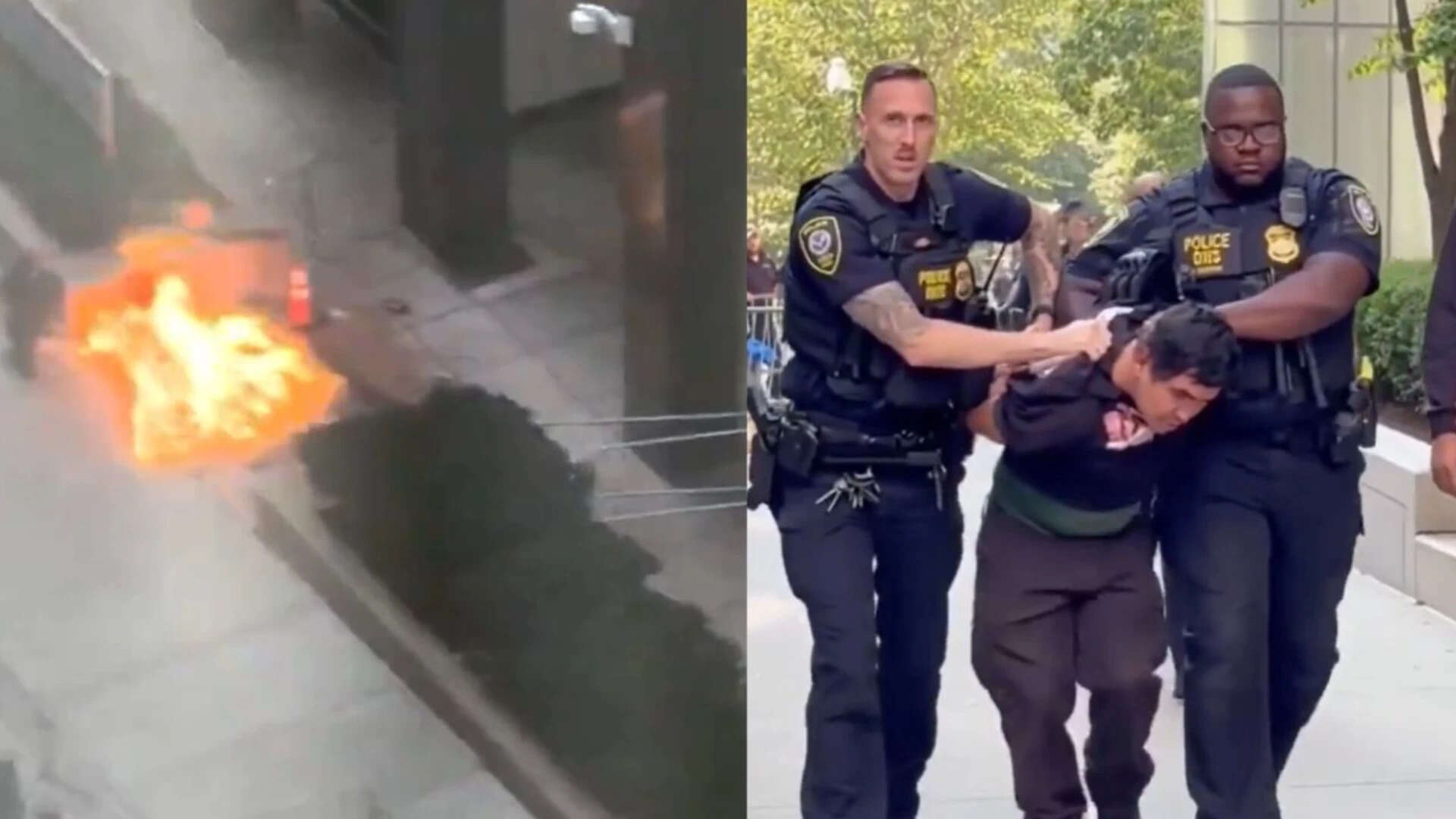
A former soldier stands on a sidewalk, sign in hand, sets a fire, and waits for the handcuffs to click.
The media jumps. Headlines get generated. Pundits line up to execute their pre-assigned scripts about patriotism, law and order, or state oppression.
Everyone is playing their part in a staged routine. The cameras get their b-roll. The protester gets their viral moment. The institution gets another easy opportunity to process a low-level disturbance without changing a single line of policy.
This is public protest reduced to cheap performance art.
We have elevated the act of getting arrested into a proxy for actual political leverage. Media outlets cover the spectacle because dramatic imagery drives engagement metrics. Viewers consume the spectacle because it reinforces their pre-existing tribal alignment.
Nobody asks the only question that matters: What did this act actually change?
The honest answer is uncomfortable. It changed nothing. It was designed to change nothing.
Why Direct Action Has Degenerated into Content Creation
Political disruption used to be about strategic friction. It targeted critical infrastructure, choked capital flow, or made the continued operation of an unjust policy financially or logistically unviable.
Today, political action has been captured by the incentives of the attention economy.
Traditional Strategic Friction  --->  Choke points, operational disruption, structural cost
Modern Performative Protest    --->  Visual spectacle, social media impression, zero structural impact
I have tracked political movements and public policy battles for over fifteen years. The pattern is always the same. Organizations and independent actors trade strategic pressure for temporary visibility. They treat an appearance in a news feed as a victory in itself.
It is a complete misdirection of energy.
When an individual sets a fire outside a government facility, the state does not re-evaluate its enforcement mechanisms. The federal bureaucracy does not pause its operations. The legal apparatus simply dispatches local law enforcement, cleans the pavement, and files charges. The event is absorbed by the bureaucracy in less than two hours.
The government machine prefers dramatic, isolated acts of defiance. They are predictable. They are easy to categorize, easy to prosecute, and easy to dismiss as radical fringe behavior.
Inciting Incident ---> Media Exposure ---> Bureaucracy Absorbs ---> Zero Policy Shift
The Flawed Logic of "Raising Awareness"
Ask any modern activist group why they stage high-visibility stunts, and you will hear the same exhausted phrase: We are raising awareness.
This is a fundamentally broken premise.
We live in an era of total information saturation. Awareness is not the bottleneck. Everyone knows about the debate over federal immigration enforcement. Everyone knows about the tensions between local jurisdictions and federal agents. The public is not suffering from a lack of information; they are suffering from outrage fatigue.
"Staging a visual stunt to raise awareness in a saturated media environment is like screaming into a hurricane and convincing yourself you modified the weather."
When you focus on raising awareness through shocking visuals, you trigger predictable psychological defense mechanisms:
- Polarization: Undecided observers recoil from chaotic behavior and align with the status quo purely for the sake of order.
- Desensitization: The public absorbs the image, adds it to their mental stream of daily outrage, and moves on forty-five seconds later.
- Validation for Converts: The only people inspired by the act are those who already agree with the message, creating a self-referential echo chamber.
You do not alter institutional behavior by making people aware. You alter institutional behavior by making bad policies too costly to maintain.
The Friction Model: How Actual Policy Shifts Happen
If dramatic public gestures fail to move the needle, what actually works?
Power responds to friction, not feedback. If you want to change institutional outcomes, you must operate within systems that create real, quantifiable operational hurdles.
1. Legal and Regulatory Bottlenecks
The most effective challenges to federal authority rarely involve signs or matches. They happen in courtrooms through systematic, unglamorous procedural warfare.
- Filing mass injunctions that freeze administrative execution.
- Exploiting jurisdictional conflicts between municipal, state, and federal law.
- Targeting municipal contracts and resource-sharing agreements.
When local governments refuse to allocate local jail space or share database access, federal enforcement faces an immediate, tangible operational penalty. That is structural friction. A fire on a sidewalk is a photo opportunity.
2. Economic and Capital Disruption
Institutions operate on budgets, contracts, and vendor networks. Directing pressure toward the private contractors, real estate holders, and service providers that supply state machinery creates direct organizational stress.
When private companies face reputational and financial exposure for participating in controversial government contracts, they cancel those contracts. When federal agencies lose their service infrastructure, their capacity to execute policy shrinks overnight.
3. Institutional Attrition
Policy enforcement relies on workforce compliance and administrative efficiency. Strategic movements target the administrative layer through labor organization, whistleblower protection, and exhaustive oversight requests that overwhelm processing capacities.
Paperwork delays action far more effectively than a protest line outside a building.
The Catch: The Uncomfortable Realities of Strategic Friction
Adopting a strategy based on friction rather than spectacle comes with severe trade-offs that most activists refuse to accept.
| Spectacle Protest | Strategic Friction |
|---|---|
| Immediate social media validation | Years of invisible, tedious labor |
| High personal emotional release | Low emotional payoff |
| Simple, black-and-white messaging | Deep technical and legal complexity |
| Feeds news cycles | Avoids news cycles to protect legal strategy |
Strategic friction is quiet. It is slow. It requires expertise in administrative law, municipal finance, and organizational logistics. It does not generate heroic photos for social media. It does not make you feel like a martyr.
It just works.
Most people prefer the performance because the performance gives them an immediate chemical high. They get to feel righteous without having to build actual structural power.
Demolishing the Common Questions
"Isn't any press good press for a political cause?"
No. This is a business cliché that fails completely when applied to political strategy. High-visibility acts that border on property damage or public disruption alienate the broad middle class whose passive consent is required for long-term political change. It allows state actors to frame the debate around public safety rather than the policy itself.
"Didn't historic movements rely on public civil disobedience?"
They did, but you are remembering the sanitized version taught in high school text books. The Civil Rights Movement did not just march; they executed targeted economic boycotts that crippled municipal transit systems and retail districts. They ran sophisticated legal operations through the courts. The public arrests were calculated tactical moves backed by massive organizational infrastructure, not random acts of individual desperation.
"What should an individual actually do if they want to drive change?"
Stop chasing attention and start building leverage.
Join local zoning boards. Attend city council meetings where local police budgets and inter-agency cooperation agreements are debated. Support legal defense funds that file structural lawsuits against government overreach. Master the unglamorous mechanics of local governance.
If your political action takes less than an hour and ends with a post on social media, you aren't fighting the system. You're giving it content.
Stop worshipping the match. Start building the legal, financial, and logistical machinery required to put out the engine.