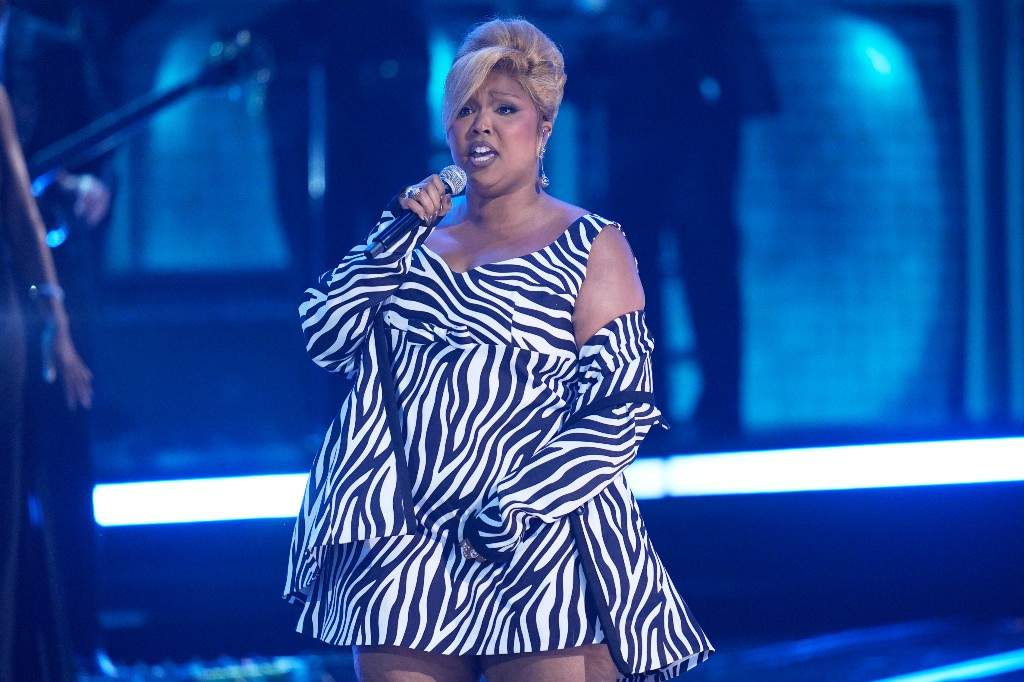
Public redemption in the modern attention economy requires more than a standard apology tour. When an artist whose entire brand is built on radical self-love and body positivity faces severe legal allegations from former backup dancers alleging sexual harassment and hostile work environments, standard public relations playbooks completely break down. Lizzo recently stated she has made peace with her public image following the high-profile harassment lawsuits filed against her, signaling a calculated shift from defensive litigation management to preemptive personal rehabilitation.
The traditional celebrity crisis response relies on silence, legal settlements behind closed doors, and a carefully orchestrated return once the news cycle cools. Lizzo chose a different path entirely. By addressing the fallout directly, leaning into her vulnerability in public forums, and reframing the narrative around personal survival rather than corporate accountability, her team is attempting a complex cultural reset. Understanding how this strategy operates reveals the shifting mechanics of fame, accountability, and audience forgiveness in the digital era.
The underlying mechanics of this PR pivot expose a harsh reality about modern celebrity culture. Audiences do not necessarily demand perfection; they demand a narrative arc. When the lawsuits broke in mid-2023, the cognitive dissonance for millions of fans was intense. Here was an icon who built a global empire on empowering marginalized bodies and fostering inclusive spaces, suddenly accused of body-shaming and creating toxic workplaces.
The initial shockwave paralyzed standard communication channels. Legal counsel advised absolute restraint to protect against civil liability, while publicists scrambled to contain the bleeding across social media platforms. Yet, in an era where digital tribes form and dissolve overnight, silence is rarely interpreted as prudence. It is interpreted as guilt, arrogance, or detachment.
Lizzo’s subsequent choice to speak openly about finding peace and moving forward represents a calculated gamble. By taking ownership of her emotional state, she shifts the conversation away from the granular legal details of the courtroom and back onto the terrain where she holds absolute authority: her personal feelings, her art, and her emotional resilience.
The Economics of Brand Loyalty in Crisis
To grasp why this approach matters, one must examine the economics of modern fandom. Pop stars are no longer just musical acts; they are ideological symbols. When an artist’s core product is an ethos of positivity, any deviation from that standard feels like a betrayal to the consumer base.
The lawsuits brought forward by her former dancers did not just target employment practices; they struck at the foundational mythology of the Lizzo brand. In response, the defense strategy could not merely argue labor law technicalities. It had to rebuild an emotional connection with an audience that felt disillusioned.
Making peace with a tarnished public image is not a passive psychological state. It is an active marketing maneuver. It signals to the remaining core supporters that the storm has passed, that the artist remains standing, and that the narrative is moving forward regardless of external noise.
Critics argue that this approach sidesteps accountability, prioritizing emotional branding over rigorous legal and cultural reckoning. That critique is entirely accurate. Crisis management at this level is rarely about absolute truth or institutional justice. It is about narrative control and economic survival. The machine must keep running, tours must sell out, and brand partnerships must eventually find a path back to viability.
Navigating the Legal Versus Cultural Battlefield
One of the most significant tensions in high-profile celebrity controversies is the chasm between legal strategy and public relations optics. Lawyers want their clients to say as little as possible to avoid prejudicing a jury or admitting liability. Publicists want emotional engagement, contrition, or a defiant pivot that energizes the base.
Lizzo’s legal team has fought vigorously to dismiss the claims, arguing that management decisions and rehearsal dynamics do not constitute unlawful harassment under employment statutes. Simultaneously, the artist’s public persona has projected resilience, fatigue with the scrutiny, and a desire to heal.
This duality creates a fascinating friction. Can an artist claim they are entirely at peace while simultaneously fighting complex legal battles in court? Absolutely, but it requires a high degree of message discipline. The public often conflates legal defense with moral indifference, failing to recognize that defending oneself in a court of law is a constitutional right, regardless of public opinion.
When public figures declare they have made peace with their image, they are often attempting to detach their self-worth from viral outrage cycles. Whether that detachment is genuine or defensive is almost secondary to its primary function: halting the downward spiral of negative press by simply refusing to participate in the hysteria on the media's terms.
The Broader Industry Precedent
The playbook being written here will undoubtedly influence how future generations of artists handle severe allegations. The old model of the televised, tearful apology interview made famous by 1990s and 2000s tabloids is dead. Today’s fragmented media ecosystem allows celebrities to bypass traditional gatekeepers entirely.
An artist can post a direct-to-camera video on Instagram, drop a new single, or lean into a supportive niche community without ever facing a rigorous cross-examination from an investigative journalist or a skeptical interviewer. This direct channel of communication bypasses critical scrutiny, allowing public figures to curate their redemption arcs with surgical precision.
The danger of this trend is obvious. It enables the creation of insulated echo chambers where accountability is optional and image management is prioritized over behavioral reform. When fans are primed to protect their favorite artists at all costs, any external criticism is easily dismissed as a coordinated smear campaign or bad-faith trolling.
At the same time, the reality of public life in the twenty-first century is relentlessly punishing. The distance between adoration and condemnation has collapsed into a matter of hours. Figures who find themselves on the wrong side of a viral cycle face a level of psychological pressure that previous generations of stars never had to endure.
Finding peace in that environment is less about achieving moral clarity and more about developing armor against the unending tide of digital hostility. Lizzo’s journey through this crisis illustrates the messy, imperfect reality of modern fame. It demonstrates that rehabilitation is rarely a clean juridical process of guilt and absolution. Instead, it is a prolonged war of attrition fought across courtrooms, social media feeds, and the fickle battleground of public attention.
The legal battles will eventually resolve, and the court filings will gather digital dust. What remains is the ongoing experiment of how cultural icons survive their own undoing and whether an audience with a notoriously short memory is ultimately willing to turn the page.