The Amiri Diwan has officially cleared the calendar for Qatar's public sector, granting a seven-day Eid Al Fitr holiday that begins on Tuesday, March 17, 2026. Government employees will not return to their desks until Tuesday, March 24. While the announcement serves as a celebratory milestone marking the end of Ramadan, the timing and duration of this break carry a heavier weight than in previous years. Against a backdrop of regional tension and a shifting economic climate, this week-long suspension of state operations is more than a tradition; it is a calculated pause in a nation navigating a complex geopolitical storm.
The Official Breakdown of the 2026 Eid Break
The directive covers all ministries, government agencies, and public institutions. For tens of thousands of state employees, the "work-from-home" or "out-of-office" status is now set in stone.
- Holiday Start: Tuesday, March 17, 2026
- Holiday End: Monday, March 23, 2026
- Return to Work: Tuesday, March 24, 2026
While the public sector has its dates, the financial world remains in a state of "wait and see." The Qatar Central Bank (QCB), along with the Qatar Financial Markets Authority and other regulated entities, typically operates on a tighter schedule. The Governor of the QCB is expected to issue a separate circular shortly, likely narrowing the window to three or four days to prevent a total freeze of the nation’s capital flow.
A Holiday Under the Shadow of Regional Unrest
This is not a typical year for a week-long shutdown. Only hours before the holiday announcement, the Qatar Armed Forces confirmed the interception of four ballistic missiles and drones launched from Iran. The regional temperature has moved from simmering to a rolling boil, and the decision to proceed with a full-scale public holiday signals a desire for normalcy in an abnormal time.
The "Eid exodus"—the traditional surge of residents traveling out of Doha—is facing unprecedented friction. Strict travel restrictions and the enforcement of overland-only routes have replaced the usual ease of the Hamad International Airport hub. For those staying behind, the holiday offers a necessary psychological reprieve, but for the state’s security apparatus, there is no such thing as a day off.
The Economic Friction of a Seven-Day Stance
While the retail and hospitality sectors anticipate a surge in spending, the broader economy faces a liquidity squeeze. Financial analysts have already noted a 1.99 percent dip in the Qatar Stock Exchange leading up to the break. Investors often pull back before long holidays to avoid being trapped in positions while markets are closed, especially when the news cycle is as volatile as it is today.
The Private Sector Gap
The private sector remains the wild card. By law, private firms are only required to provide three days of paid leave. However, many multinational corporations in Doha feel the pressure to align with the government’s seven-day stretch to maintain employee morale. This creates a productivity gap. When the state stops, the gears of the private sector often grind against a wall of closed government offices, stalled permits, and delayed approvals.
The Retail Boom
Despite the geopolitical anxiety, the Ramadan-Eid season remains the undisputed heavyweight of consumer spending in the Middle East. Projections for 2026 suggest a growth of 8 to 12 percent in consumer expenditures compared to last year. Luxury brands in Souq Waqif and the high-end malls of Lusail are bracing for a massive influx of "staycationers" who, unable or unwilling to navigate the current air travel chaos, are spending their riyals at home.
Operational Reality for Essential Services
A nation doesn’t actually sleep for seven days. While the administrative layer of the government goes dark, the backbone of the country is forced into overdrive.
Medical personnel at Hamad Medical Corporation (HMC) have issued reassurances that medicine availability and emergency care will remain uninterrupted. Similarly, the Ministry of Interior (MoI) has clarified that safety notifications and precautionary measures remain active. For these workers, the "holiday" is a period of peak operational stress, often managed through skeleton crews and mandatory overtime.
The Banking Divergence
The Governor of the Central Bank’s upcoming decision is the most anticipated piece of the puzzle. If the banks close for the full seven days, the impact on import/export documentation and local business transactions could be severe. Historically, the QCB favors a shorter break—often starting on the actual day of Eid (expected to be March 20) and lasting only until the following Sunday. This divergence creates a staggered reality where the person processing your paperwork is on holiday, but the person taking your payment is at their desk.
Beyond the Crescent Moon
The exact start of the religious festival still depends on the sighting of the Shawwal crescent moon. While the administrative holiday is fixed to the Gregorian calendar (March 17–23), the religious heart of the event remains tied to the lunar cycle. This creates a unique overlap in 2026 where the "holiday" begins well before the "celebration" likely starts.
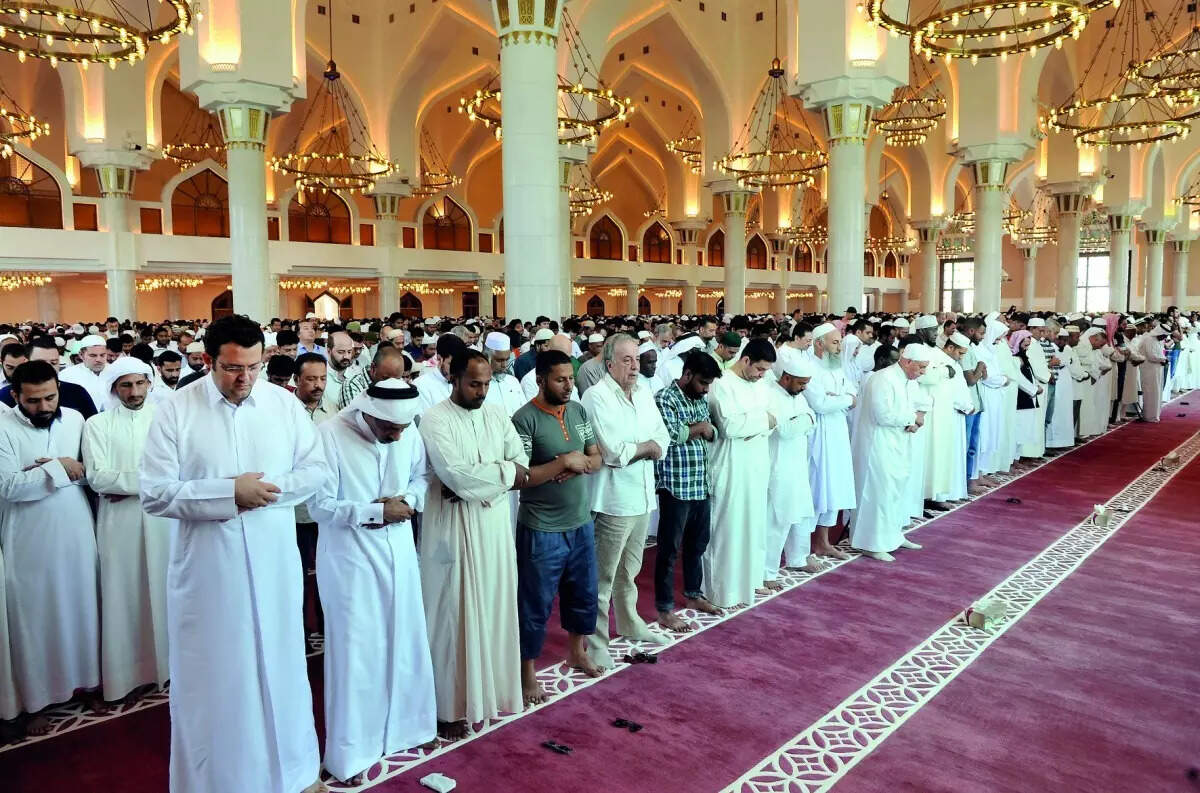
This early start gives families ample time for the traditional Garangao celebrations and pre-Eid preparations, but it also means the country will be at a standstill long before the first Eid prayer is even called.
Qatar is betting that a long break will act as a pressure valve for a population living on the edge of a conflict zone. The government is choosing to prioritize social cohesion and traditional observance over the raw numbers of a week’s worth of GDP.
Check your residency status and any pending government transactions before the gates close on Monday evening.