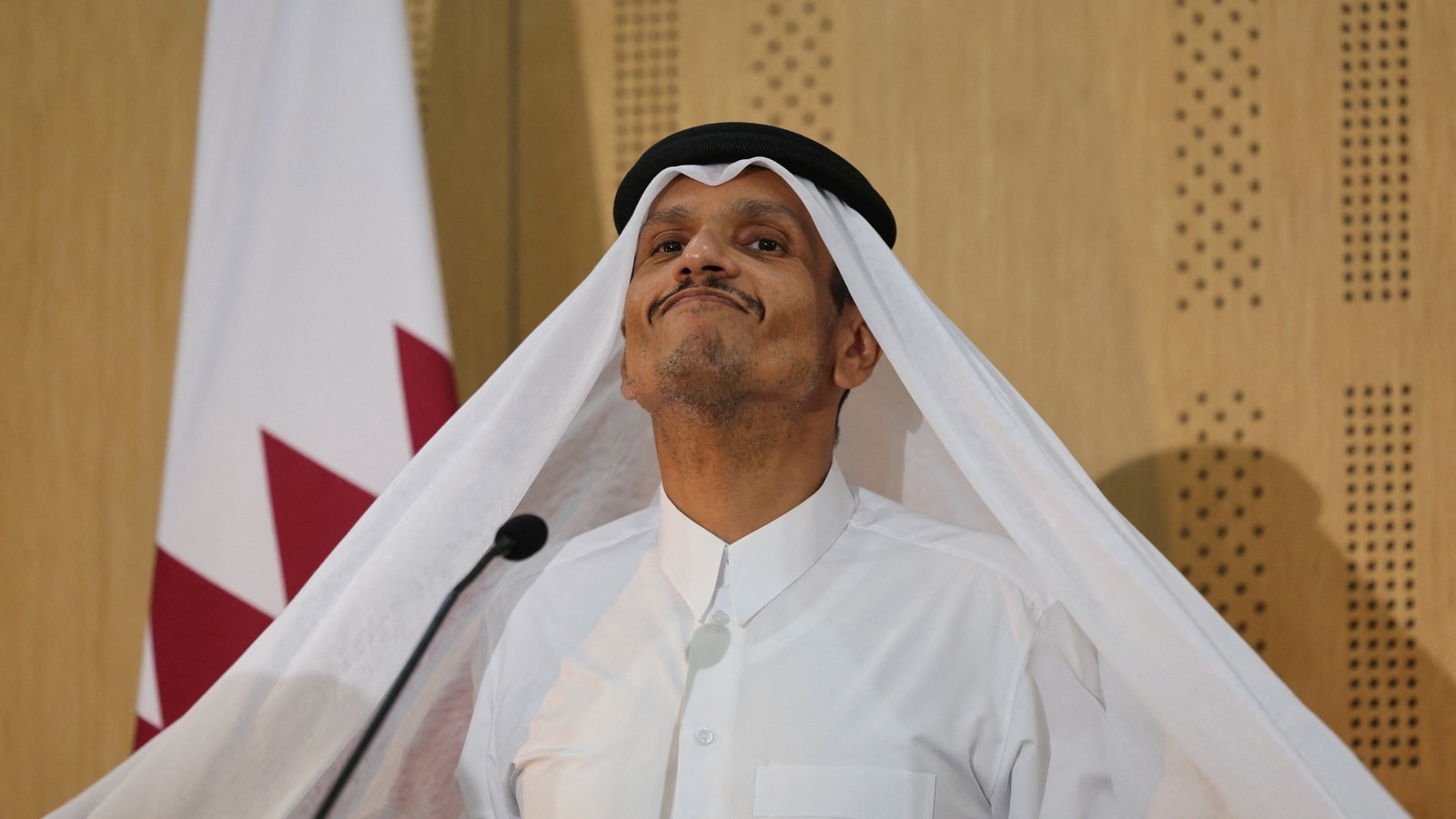
The diplomatic tightrope walk in the Persian Gulf just got narrower. Qatari Prime Minister Sheikh Mohammed bin Abdulrahman Al Thani is touching down in Tehran for high-stakes talks. Washington is cranking up economic pressure, the Strait of Hormuz remains a contested chokepoint, and a fragile six-month lull in outright fighting is threatening to fracture.
If you want to understand why global energy markets are sweating right now, look no further than this visit. Doha is trying to salvage a diplomatic track that is slipping off the rails.
The Battle Over the Strait of Hormuz
Control over the Strait of Hormuz has turned into a high-stakes poker game. Before the conflict kicked off in late February, roughly 20 million barrels of crude oil flowed through this narrow corridor every single day. Today? That number has cratered to around 5 million barrels.
Iran's Islamic Revolutionary Guard Corps insists the route stays shut unless Washington bends to Tehran's demands regarding revenue sharing and maritime control. Meanwhile, the International Maritime Organization reports that 70 separate incidents in the waterway have claimed 19 lives since hostilities began.
Tehran views the strait as its ultimate economic leverage. The White House views it as an unacceptable choke collar on global commerce. Qatar is stuck in the middle, trying to convince both sides to return to the pre-war status quo before commercial shipping takes another permanent hit.
Washington Swaps Bombs For Economic Strangleholds
The nature of the confrontation is shifting. Major military strikes have largely paused, but the economic war is heating up fast.
The US Treasury recently launched campaigns aimed squarely at isolating the Iranian economy and punishing any third-party nations or companies brazen enough to trade with Tehran. Washington figures it can starve the regime of revenue without having to fire daily salvos.
Yet, economic isolation rarely brings adversaries back to the bargaining table willingly. It usually hardens their resolve. Iran still holds a massive arsenal of drones and missiles capable of destabilizing US allies across the Gulf, meaning the threat of a wider flare-up is never more than a miscalculation away.
Can Qatar’s Back-Channel Diplomacy Hold?
Doha has carved out a unique niche as the world's go-to mediator. From managing negotiations between Washington and the Taliban to helping broker temporary ceasefires earlier this year, Qatari officials know how to talk to actors who refuse to speak to each other.
Prime Minister Al Thani's visit isn't just a courtesy call. It is a desperate push to find a compromise on revenue sharing in the strait and breathe life back into expired diplomatic memorandums. Alongside parallel diplomatic nudges from regional military leaders like Pakistan's army chief, Qatar is pushing a simple message: economic strangulation and closed shipping lanes benefit nobody.
The expiration of the temporary June agreements left a dangerous vacuum. If Sheikh Mohammed cannot convince Tehran to loosen its grip on the Hormuz corridor, expect Washington to double down on sanctions—and expect energy markets to react violently to the tightening supply chains.