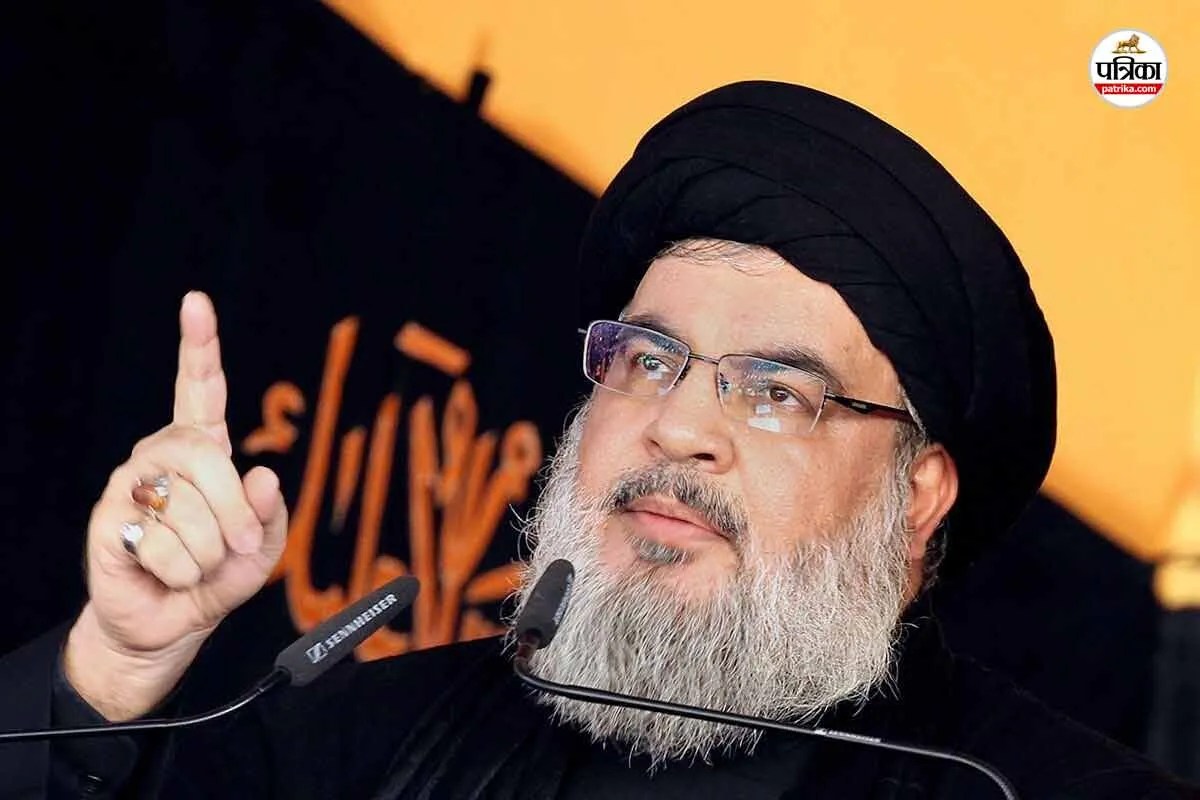
Two years after the subterranean bunker beneath Beirut's Dahiyeh collapsed under eighty tons of penetrating munitions, the Islamic Republic of Iran remains trapped in a strategic paradox. Tehran routinely utilizes anniversary platforms and high-profile statements to invoke the memory of Hezbollah Secretary-General Hassan Nasrallah, framing his death not as a terminal defeat for the Axis of Resistance, but as an eternal rallying cry. Yet beneath the defiant rhetoric echoing from foreign ministries and leadership circles lies a sobering calculation. The foundational deterrence architecture that Iran spent four decades constructing across the Levant has suffered structural fractures that standard political messaging cannot easily repair.
When Israeli jets dropped their payload on September 27, 2024, destroying the supreme commander of its most prized proxy, Tehran faced an acute dilemma between immediate kinetic escalation and long-term strategic preservation. Direct military responses, executed through calculated missile salvos, demonstrated a capability to breach regional air defenses, but they failed to alter the underlying dynamic. Israel's intelligence penetration had exposed vulnerabilities at the highest tiers of command. The subsequent elimination of Nasrallah's intended successor, Hashem Safieddine, alongside a rolling cascade of mid-level operational commanders, forced the Iranian Revolutionary Guard Corps into a posture of urgent internal triage.
The core premise driving Iranian state communications is simple: maintain the myth of invulnerability and continuity. Supreme Leader Ayatollah Ali Khamenei's pronouncements that past operational losses will not dictate the future are designed for domestic consumption and regional alignment. They signal to allied factions from Yemen to Iraq that financial and logistical lifelines remain active. But foreign policy analysts tracking the real-time adjustments inside Tehran's security apparatus recognize a distinct shift from aggressive forward projection to defensive containment.
Rebuilding a dismantled command structure requires more than fiery speeches. Hezbollah's operational capacity relies on encrypted communication webs and localized supply chains that were systematically mapped and ruptured. As new leadership under Naim Qassem attempts to steady the organization, the shadow of deep infiltration lingers over every tactical decision. The Islamic Republic finds itself financing an organization that must now operate under a permanent cloud of suspicion, constantly auditing its own ranks for electronic and human breaches.
Meanwhile, regional adversaries treat these anniversary declarations as predictable theater. Public pronouncements from Israeli leadership celebrating the dismantling of hostile command tiers underline a starkly different reality on the ground. For Tehran, the challenge is no longer just about avenging a fallen ally. It is about preventing the complete erosion of the strategic depth it spent decades establishing on Israel's northern border, leaving the regime to manage an escalating cost-benefit analysis where every future miscalculation risks triggering a wider confrontation it is structurally unready to absorb.


