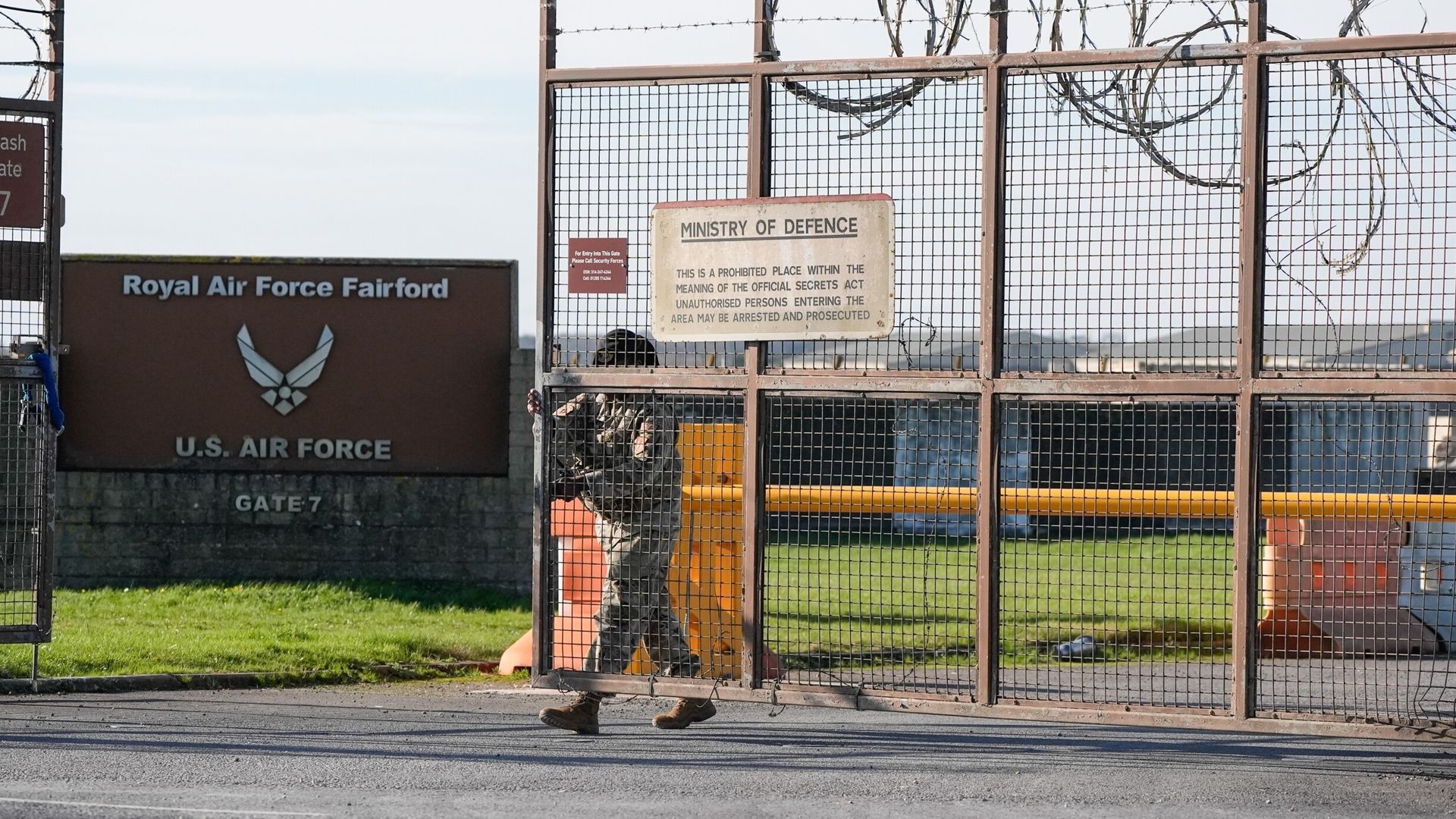
Security alerts rarely materialize out of nowhere. When counter-terrorism police swooped on suspects linked to a high-stakes plot targeting RAF Fairford in Gloucestershire, it became immediately clear that modern security threats don't look like traditional warfare. Instead of conventional military strikes, intelligence agencies are fighting an invisible war waged through proxy networks, remote digital handlers, and localized operatives.
The incident at RAF Fairford—a crucial British air base heavily utilized by United States military aircraft—exposed deep vulnerabilities in domestic infrastructure. Authorities intercepted three suspicious vans packed with fuel containers and accelerants heading toward the perimeter. What followed was a sprawling international counter-terrorism investigation spanning from British streets to federal courtrooms in New York, connecting localized arrests to a broader, Iran-backed campaign of coordinated disruptions.
Anatomy of the RAF Fairford Threat
The operation itself relied on low-tech methods paired with high-tech remote coordination. According to indictments unsealed by the U.S. Department of Justice, handlers operating from overseas used real-time video communication and coded phone messages to direct operatives on the ground. Operatives purchased mundane logistics supplies—including vans with sham corporate branding—and gathered fuel drums with the intent of launching an attack against the military installation.
Counter-terrorism policing units tracked these movements meticulously. When British authorities arrested multiple suspects in late September, the rapid response forced a significant military adjustment. The United States military proactively withdrew its heavy long-range bombers, including B-1 and B-52 aircraft, from the Gloucestershire base to remove potential targets from immediate risk.
This wasn't an isolated domestic criminal conspiracy. Investigators tied the Fairford operation to a broader network accused of orchestrating nearly twenty separate attacks and attempted strikes across Europe and the United States, targeting Jewish community centers, synagogues, and strategic military sites. The string of offenses demonstrated how easily hostile foreign actors can recruit local proxies via encrypted communication channels to sow chaos thousands of miles away from state capitals.
The International Legal and Geopolitical Fallout
The fallout from the Fairford plot triggered intense diplomatic friction. British officials publicly pointed the finger at Tehran, stating there were strong indications of state sponsorship behind the coordinated cells. Naturally, Iranian officials denied any direct involvement, dismissing the accusations while pointing to the initial release of suspects on police bail as evidence of a weak case.
However, the legal picture sharpened significantly when federal prosecutors in New York filed formal indictments against key figures orchestrating the network. The court documents painted a chilling picture of command-and-control structures operating seamlessly across borders. Even individuals held inside maximum-security detention facilities allegedly attempted to pass coded instructions through family phone calls, using terms like "work" to describe ongoing terror logistics.
In the UK, the judicial response proved equally severe. British prosecutors utilized robust counter-terrorism and national security legislation to charge suspects involved in the conspiracy, reflecting a zero-tolerance policy toward foreign interference on British soil. The arrests of dual nationals and local residents underscore a persistent counter-intelligence nightmare for Western governments: homegrown or resident operatives acting as the hands and feet of hostile intelligence services.
Why This Incident Changes Domestic Defense
For decades, military air bases like RAF Fairford operated under the assumption that primary threats would come from sophisticated aerial or cyber assaults. The Fairford plot forced a radical reassessment of perimeter security, emphasizing the danger of asymmetric, hybrid warfare tactics.
When foreign intelligence services can successfully recruit local actors to acquire commercial vehicles, transport accelerants, and conduct localized reconnaissance near active military zones, the frontline of defense shifts from foreign borders to local industrial estates and suburban rental agencies. Intelligence agencies now face the immense challenge of monitoring decentralized cells that leave minimal digital footprints until the final phases of an operation.
Public vigilance has become a core component of modern national security strategy. Law enforcement agencies continue to urge citizens and local businesses near sensitive military installations to report suspicious vehicle rentals, unusual perimeter surveillance, or irregular logistics activities immediately.
The RAF Fairford incident serves as a stark reminder that modern conflicts routinely spill over into domestic territories. As intelligence services adapt to dismantle these proxy networks, safeguarding critical defense infrastructure requires unprecedented international cooperation and relentless vigilance against unseen threats.