Publicly announcing you will pay a ransom is the fastest way to ensure another kidnapping happens next week. When Savannah Guthrie stands before a camera and signals a willingness to negotiate with a blank check, she isn't just trying to save her mother; she is inadvertently setting the market price for human life. It is an agonizing, human impulse. It is also a strategic catastrophe.
The media treats these "heart-wrenching pleas" as acts of bravery. They aren't. They are high-stakes marketing campaigns for criminal enterprises. By broadcasting a guarantee of payment, the victim’s family validates the kidnappers' business model, stabilizes their cash flow, and de-risks the entire criminal operation.
We need to stop rewarding the "Save My Loved One" PR circuit and start looking at the cold, hard mechanics of the kidnapping industry.
The Market Incentives of Public Desperation
Kidnapping is not a crime of passion. It is a commodity trade. Like any other market, it operates on signals. When a high-profile family goes on the record saying "We will pay," they are sending a "Buy" signal to every opportunistic predator within a thousand-mile radius.
- Price Floor Establishment: By making the offer public, the family loses all leverage in private negotiations. The kidnappers now know exactly how much the family is willing to liquidate.
- Risk Reduction: Criminals fear one thing above all else: a botched exit. A public plea tells them the family is more interested in the return than in justice. It signals that the police will likely be sidelined or instructed to stay back during the drop.
- The Copycat Effect: When a specific tactic (kidnapping a celebrity's relative) results in a massive, public payday, it creates a blueprint for every low-level gang looking for a promotion.
I have watched families burn through millions because they chose emotion over strategy. They think they are being "proactive." In reality, they are just paying the kidnappers' overhead for the next three jobs.
The Myth of the "Safe Return" Guarantee
The competitor headlines would have you believe that paying the ransom is the final step in a tragic story. It rarely is. In many high-risk jurisdictions, paying the first demand is simply an invitation for a second, larger demand.
Criminals are not bound by the contracts they sign in blood. If you show them you have access to $5 million and you hand it over without a fight, why wouldn't they ask for $5 million more? They already have the asset. You have already proven you can pay.
The Professional Negotiator's Reality
In the world of K&R (Kidnap and Ransom) insurance and professional security, the first rule is absolute silence. You do not talk to the press. You do not make emotional appeals on the morning news. You treat the transaction like a hostile takeover.
- Information Control: Every bit of data the kidnappers get from a TV interview—how much the family is suffering, how desperate they are—is a weapon used against them.
- De-escalation through Boredom: Professionals aim to make the process as tedious and unrewarding as possible. You want the kidnappers to think the victim is a liability, not a gold mine.
- The "No-Pay" Poker Face: Even if you intend to pay, you never let them know it's a certainty. The moment they are sure of the money, the victim's safety becomes secondary to the logistics of the cash.
The Ethics of Private Payouts vs. Public Safety
There is a brutal truth that nobody wants to say out loud: paying ransoms kills people.
When a wealthy individual pays to get their relative back, they are funding the weapons, the vehicles, and the bribes that will be used to kidnap a middle-class local who has no media platform and no way to pay. It is a transfer of safety from the poor to the elite.
We pretend these pleas are "vulnerable" and "raw." They are actually an exercise of extreme privilege that distorts the security landscape for everyone else. By centering the narrative on the celebrity's pain, we ignore the structural reality that their payment keeps the industry profitable.
Stop Asking "Will They Get Her Back?"
The question is flawed. The real question is: "How many more will be taken because this one was paid for?"
If we want to actually dismantle these networks, we have to stop treating them like emotional dramas and start treating them like the illicit economies they are. That means:
- Mandatory Blackouts: Media outlets should stop airing ransom offers. It is free advertising for cartels.
- Asset Freezing: If a family intends to pay a ransom that violates international anti-terrorism or anti-money laundering laws, the state should intervene. Not to be cruel, but to protect the integrity of the law.
- Shifting the Focus to the Hunt: The narrative should stay on the relentless pursuit of the perpetrators, not the negotiation.
The instinct to save a parent is the most basic human drive we have. But in the theater of international crime, that instinct is a liability. Savannah Guthrie's plea wasn't a masterclass in love; it was a masterclass in market validation.
If you want to end kidnapping, you have to make it a bad business. And you can't do that while you're handing out the prize money on national television.
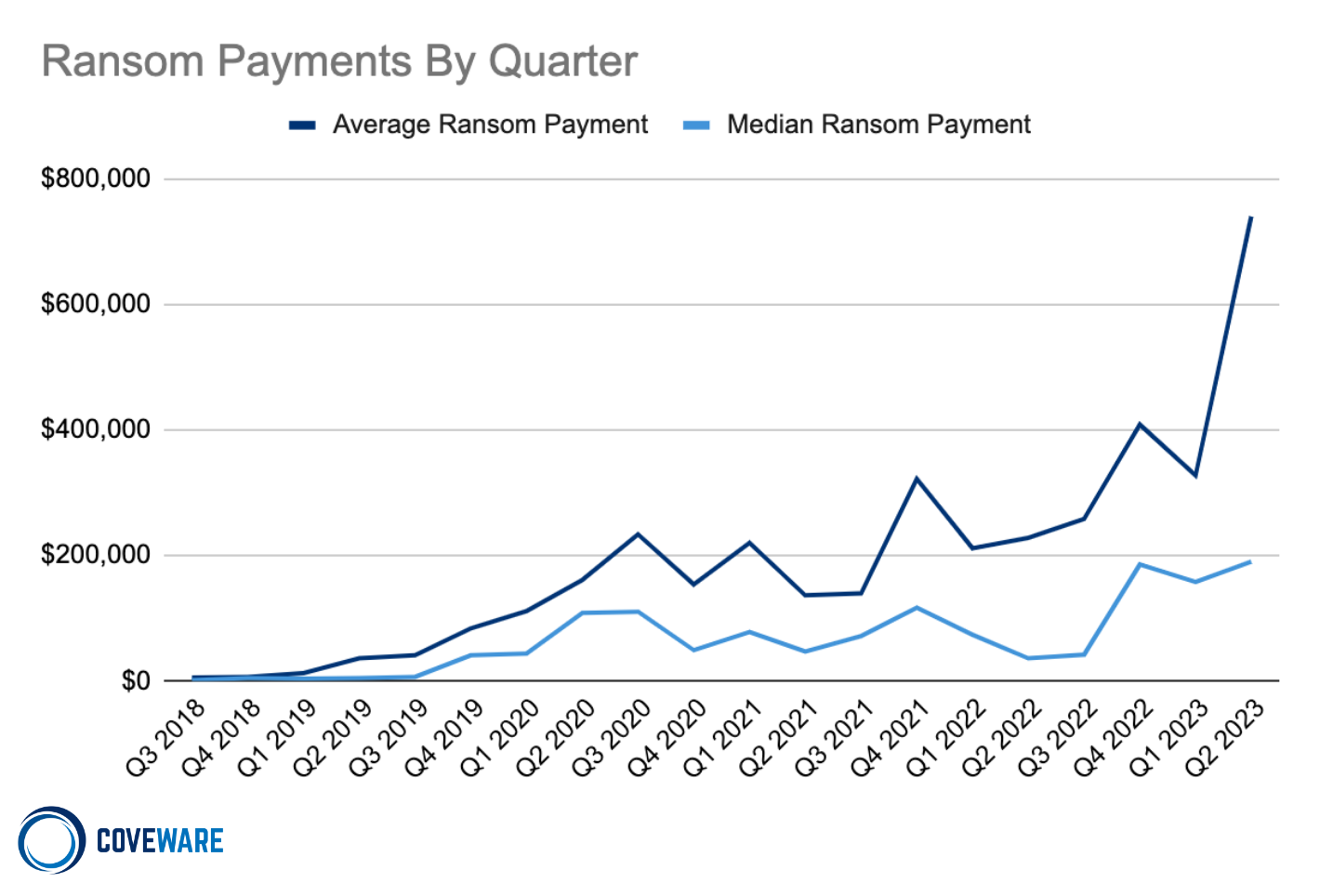
Do you want to see the data on how ransom payments correlate with the frequency of abductions in specific regions?