The Manufactured Apocalypse
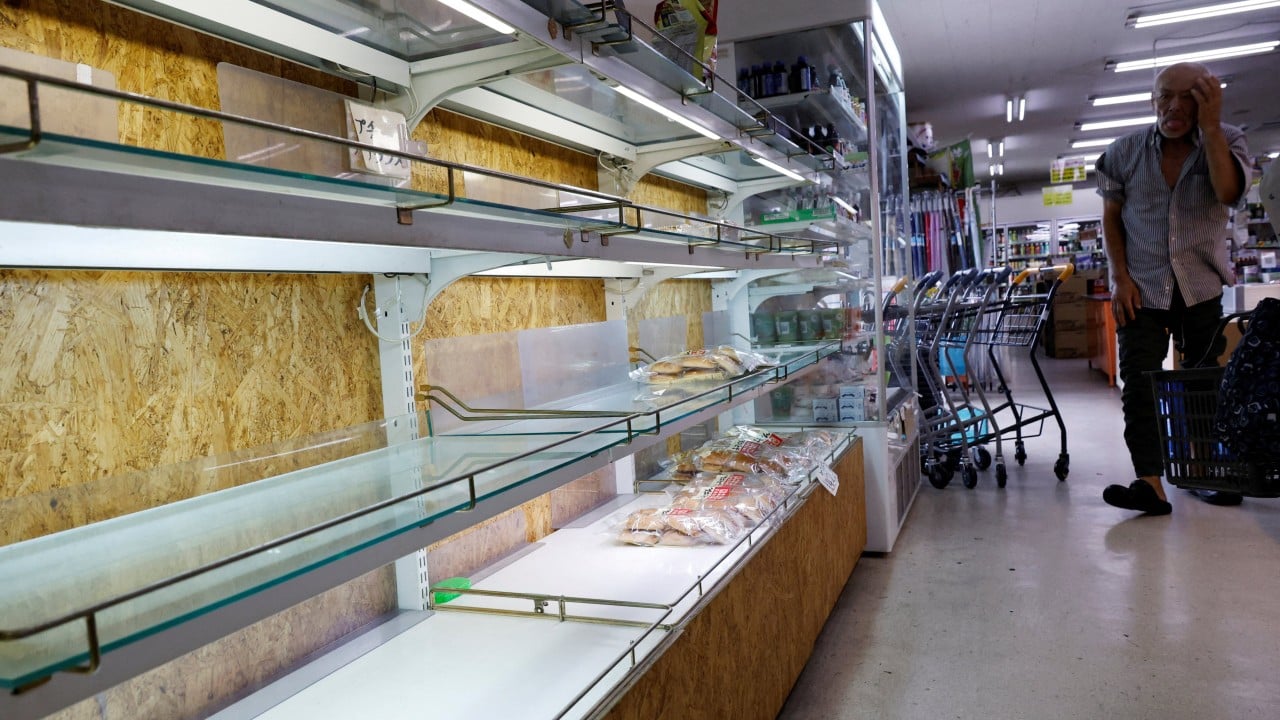
Mainstream news outlets follow a predictable, exhausted playbook every time a tropical cyclone spins up in the Pacific. Super Typhoon Bavi nears Okinawa, and the headlines immediately pivot to apocalyptic imagery: grounded flights, empty supermarket shelves, and instant noodle shortages. They want you to envision a population on the brink of societal collapse.
It is a lie of omission.
The media treats supply chain disruption as an inevitable act of God. It isn't. The empty shelves in Naha are not caused by the storm. They are caused by the coverage of the storm. We are witnessing a recurring masterclass in manufactured panic that does far more psychological and economic damage to island communities than a Category 3 system ever could.
I have spent fifteen years analyzing logistics and crisis management in East Asia. I have watched corporations blow millions on emergency rerouting because a weather anchor hyperventilated on screen. The reality on the ground is starkly different from the narrative sold to global audiences.
The Instant Noodle Fallacy
Let's dismantle the favorite trope of the lazy journalist: the empty instant noodle aisle.
When a typhoon approaches, the image of a stripped-clean instant ramen shelf is used as visual shorthand for desperation. In reality, it represents a profound failure of consumer logic fueled by herd mentality.
Consider what instant noodles actually require to be useful:
- Potable water
- A heat source to boil said water
If a super typhoon hits with enough force to compromise infrastructure, the two things you lose are municipal water pressure and electricity. Buying boxes of processed sodium that require utility grids to prepare is fundamentally irrational.
If consumers were actually preparing for a catastrophic event, the canned fish, jars of peanut butter, and ready-to-eat proteins would be gone first. They aren't. The noodle shelves empty because they are bulky, highly visible, and cheap. One panicked shopper takes three boxes, creates a massive physical gap on the shelf, and triggers a psychological domino effect for the next ten people in line.
[Media Alert] -> [Visual Shelf Gap] -> [Perceived Scarcity] -> [Irrational Hoarding]
This is classic behavioral economic contagion. The media captures the end result and labels it "prudent preparation." It is the exact opposite. It is a logistical traffic jam created by panic, forcing supermarkets to allocate precious transport volume to low-margin, low-utility comfort foods rather than actual survival essentials.
Okinawa is Built for This. Your Fear is Not.
The global coverage of Japanese typhoons completely ignores the reality of modern structural engineering.
To read the international press, you would think Okinawa consists of tinderbox housing waiting to be swept into the sea. The truth is that the prefecture features some of the most rigorous building codes on the planet. Since the devastation of Typhoon Della in 1949, the island has systematically phased out wood construction in favor of reinforced concrete.
Okinawan homes are essentially bunkers. They are designed to withstand sustained winds exceeding 250 kilometers per hour. The windows feature thick laminate or heavy shutters. The drainage systems are engineered to handle torrential downpours that would submerge western cities.
When flights are canceled, it is not a sign of impending doom; it is a routine operational protocol. Airlines ground fleets because ground handling equipment cannot operate safely in high winds, and insurance policies dictate strict wind velocity thresholds for commercial takeoffs. It is a corporate risk management checklist, not a societal collapse.
By framing standard operational safety margins as "chaos," media outlets actively harm local economies. Tourism drops sharper and stays depressed longer than the physical weather warrants. Hotel cancellations spike across the entire region, even in areas completely untouched by the storm's core.
The Downside of Disbelief
To be absolutely clear: typhoons are dangerous meteorological events. Flying debris can kill. Coastal storm surges are lethal.
The danger of the mainstream media's hyperbole is that it creates a crying-wolf dynamic. When every tropical storm is covered like the end of civilization, the public develops panic fatigue.
Imagine a scenario where a genuinely unprecedented, catastrophic anomaly threatens the coast—a system that requires total evacuation. If you have spent years watching the press scream about "Super Typhoons" that ultimately result in nothing more than a rainy afternoon and a night of flicking lights, you stay put.
The media’s insistence on maximizing clicks via terror directly degrades the authority of genuine emergency management updates. They are trading long-term public safety for short-term engagement metrics.
Stop Following the Pack
The next time a storm system develops in the Pacific, ignore the sensationalized live-feeds of grocery store lines.
Real resilience does not look like a shopping cart stacked high with instant ramen. It looks like a quiet, calculated inventory of what you actually need to survive a 48-hour utility outage: flashlights, fresh water, and non-perishable foods that require zero cooking.
The shelves are empty because people are afraid, not because supplies are low. Stop participating in the panic. Turn off the broadcast, look at the engineering of the buildings around you, and recognize the difference between a weather event and a media circus.