Gunfire raked a liquefied natural gas carrier off Yemen in mid-October 2026, exposing a dangerous new phase in maritime warfare where small-boat harassment collides with high-stakes energy transit. Reports from the UK Maritime Trade Operations Center placed the encounter roughly 140 nautical miles southeast of Al Mukalla, where a seven-person skiff closed in and fired on the vessel before an onboard security team forced it to alter course. At the same time, conflicting claims from Yemen's warring factions underscore how maritime security, territorial shifts, and energy politics have become tightly entangled.
Surface headlines treat episodes like this as isolated skirmishes. They are not. When gunfire hits an LNG tanker in the wider Gulf of Aden and Arabian Sea approaches, the incident sits at the intersection of coastal geography, shifting front lines inside Yemen, parallel disruptions around the Strait of Hormuz, and the specialized vulnerabilities of super-chilled gas carriers.
Why Gunfire Near Yemen Carries Outsized Risk for LNG
LNG carriers are not ordinary bulk freighters carrying grain, ore, or bagged cement. They carry methane cooled to roughly minus 162 degrees Celsius under atmospheric pressure, housed inside insulated containment systems engineered to limit boil-off and maintain structural integrity. A hit from a rocket-propelled grenade, an anti-ship missile, or an explosive surface drone does not need to detonate a massive warhead to trigger a cascade of operational headaches. Even superficial damage to deck piping, firefighting mains, radar masts, or crew quarters can force a vessel to divert, halt transit, or undergo emergency inspection.
Small-arms fire from a skiff sits lower on the lethality scale than a ballistic missile or a waterborne drone, yet it serves a distinct tactical purpose. Skiffs test reaction times. They probe whether a merchant ship carries armed security guards, gauge how quickly naval forces or maritime centers respond, and force crews into evasive maneuvers in congested sea lanes.
On a commercial LNG ship, crew safety and containment integrity leave almost zero margin for error when small boats test the perimeter far from shore.
Distance from the coastline complicates the picture even further. An approach 140 nautical miles southeast of Al Mukalla happens well outside narrow coastal waters, reminding shipowners and insurers that the threat zone stretches beyond the Bab el-Mandeb chokepoint into the broader Gulf of Aden and Arabian Sea. Maritime advisories covering the region have repeatedly warned that commercial vessels face layered hazards ranging from small-arms fire and explosive boats to drones and missiles.
Fractured Claims and Shifting Front Lines Inside Yemen
Any serious reading of security claims coming out of Yemen requires separating battlefield assertions from verifiable maritime reporting. When anti-Houthi forces or Yemeni government-aligned military spokesmen claim to have thwarted a Houthi attack, those statements often serve dual purposes: reassuring shipping markets and projecting operational competence amid a grueling domestic conflict.
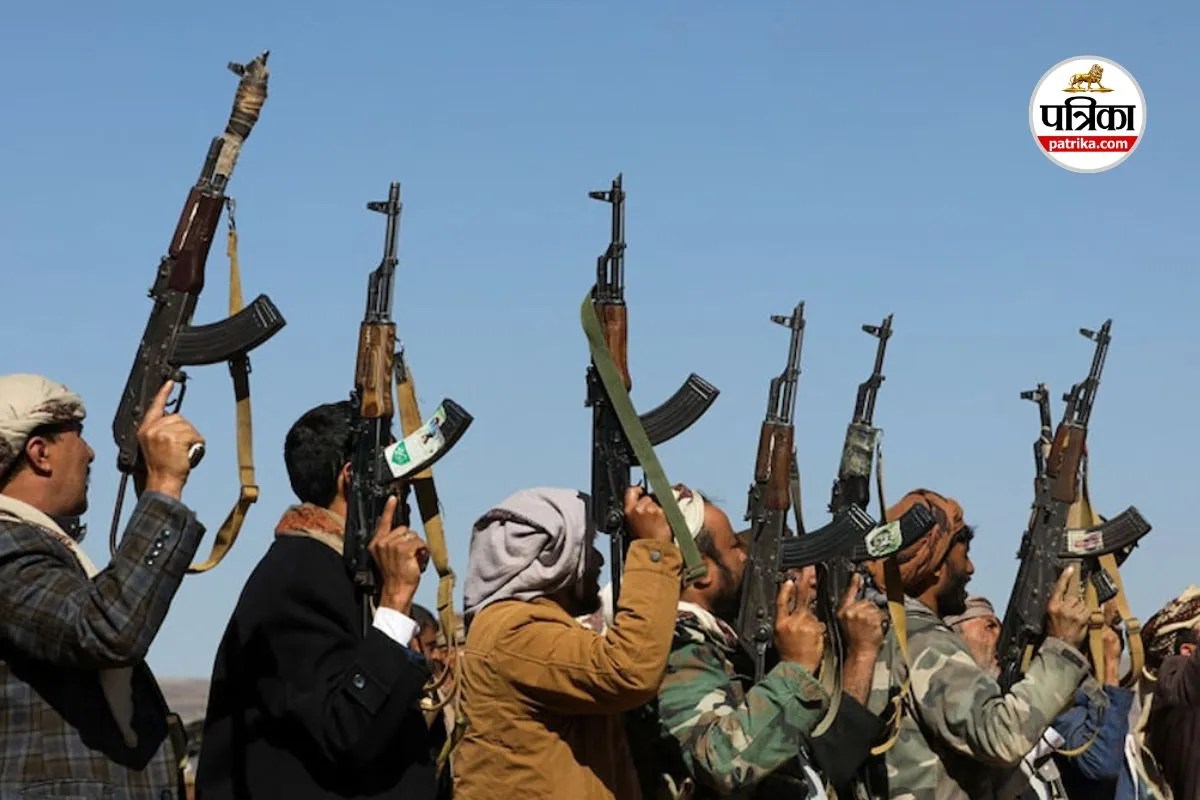
The broader security environment has shifted markedly since mid-2026. Following the collapse of earlier truces and renewed cross-border hostilities involving Saudi Arabia in July 2026, Houthi forces declared a maritime embargo against Saudi-affiliated shipping transiting the Bab el-Mandeb and pressed territorial advances along parts of western Yemen and nearby Red Sea islands. Analysts tracking the conflict have noted that coastal gains give Houthi forces stronger surveillance and logistics positions near vital waterways, even as anti-Houthi factions contest ground in key highlands and coalition dynamics remain fractured.
When an incident occurs off the southern coast near Al Mukalla, attribution becomes even murkier. Skiffs operating in the Gulf of Aden and Arabian Sea can be tied to Houthi maritime networks, opportunistic smuggling or piracy cells, or rival militias taking advantage of blurred authority. Maritime agencies like UKMTO typically report observable facts—vessel position, number of people in the approaching boat, shots fired, and the ship's response—rather than assigning political blame on the spot.
| Threat Vector | Primary Operational Impact | Typical Countermeasure | Key Limitation |
|---|---|---|---|
| Small-Boat Gunfire | Crew stress, evasive maneuvering, probing defenses | Armed vessel protection teams, evasive routing | Limited standoff range; hard to police across vast waters |
| RPGs & Small Craft | Localized hull, superstructure, or equipment damage | Early visual detection, defensive maneuvers, escorts | High speed and low radar signature of small boats |
| UAVs & USVs | Precision strikes on bridge, fuel, or deck systems | Electronic warfare, naval air defense, lookout discipline | Swarming or low-altitude profiles strain point defenses |
| Anti-Ship Missiles | Severe structural damage, fire, or sinking risk | Naval missile interceptors, route avoidance | High cost of interceptors and wide threat envelope |
What Most Commentators Miss About Chokepoint Economics
Conventional commentary tends to treat Red Sea and Gulf of Aden disruptions as a simple binary: either ships sail through or they sail around the Cape of Good Hope. That framing misses how energy markets and shipping operators actually adapt under prolonged pressure.
First, LNG trade flows behave differently from container shipping. Many LNG cargoes move under long-term off-take agreements tied to specific liquefaction plants and regasification terminals, leaving less slack than container lines that can easily re-slot schedules across hubs. When transit risk rises near Yemen while tensions also flare around the Strait of Hormuz, charterers weigh voyage duration, charter hire rates, war-risk insurance premiums, and fuel burn on longer routes.
Rerouting is rarely free, and staying on the shortest sea lane is rarely calm; commercial operators are forced to price political volatility into every single voyage.
Second, counter-claims of "foiled attacks" rarely erase the commercial cost of the attempt. Even if a security team drives off an armed skiff without a single casualty or a scratch on the hull, the incident enters maritime security databases, triggers crew debriefings, prompts charterer inquiries, and reinforces elevated risk assessments across the region. Over time, accumulated friction—higher war-risk premiums, slower transits, and tighter crew reluctance—does more economic damage than a single missed shot.
Consider a hypothetical example to see how those costs stack up. Suppose an operator runs an LNG carrier on a route that normally passes through the Gulf of Aden and Red Sea toward Europe. If war-risk premiums spike or charterers demand an alternative routing around southern Africa, the vessel adds roughly ten to fourteen days of steaming time in each direction depending on origin and destination. That extra time ties up a high-value asset, consumes additional bunker fuel, and tightens effective fleet availability across the broader market.
Operational Lessons for Shipowners and Analysts
For maritime risk managers, energy analysts, and policy observers, episodes off Yemen offer three practical takeaways that hold true regardless of which side claims the upper hand on a given day:
- Treat security claims as political data, not standalone proof: Verify independent maritime reporting and vessel movement patterns before accepting sweeping military statements from any faction.
- Watch the outer approaches, not just the chokepoints: Incidents well offshore in the Gulf of Aden or Arabian Sea show that threats are not confined to the narrowest straits.
- Measure indirect costs alongside kinetic hits: Insurance adjustments, routing delays, and crew readiness often shape market behavior long after the immediate gunfire stops.
As long as Yemen's internal conflict remains unresolved and regional waterways stay caught in wider geopolitical crossfire, a shot fired at a gas carrier in dark water is never just a local flare-up—it is a stress test on the plumbing of global energy trade.