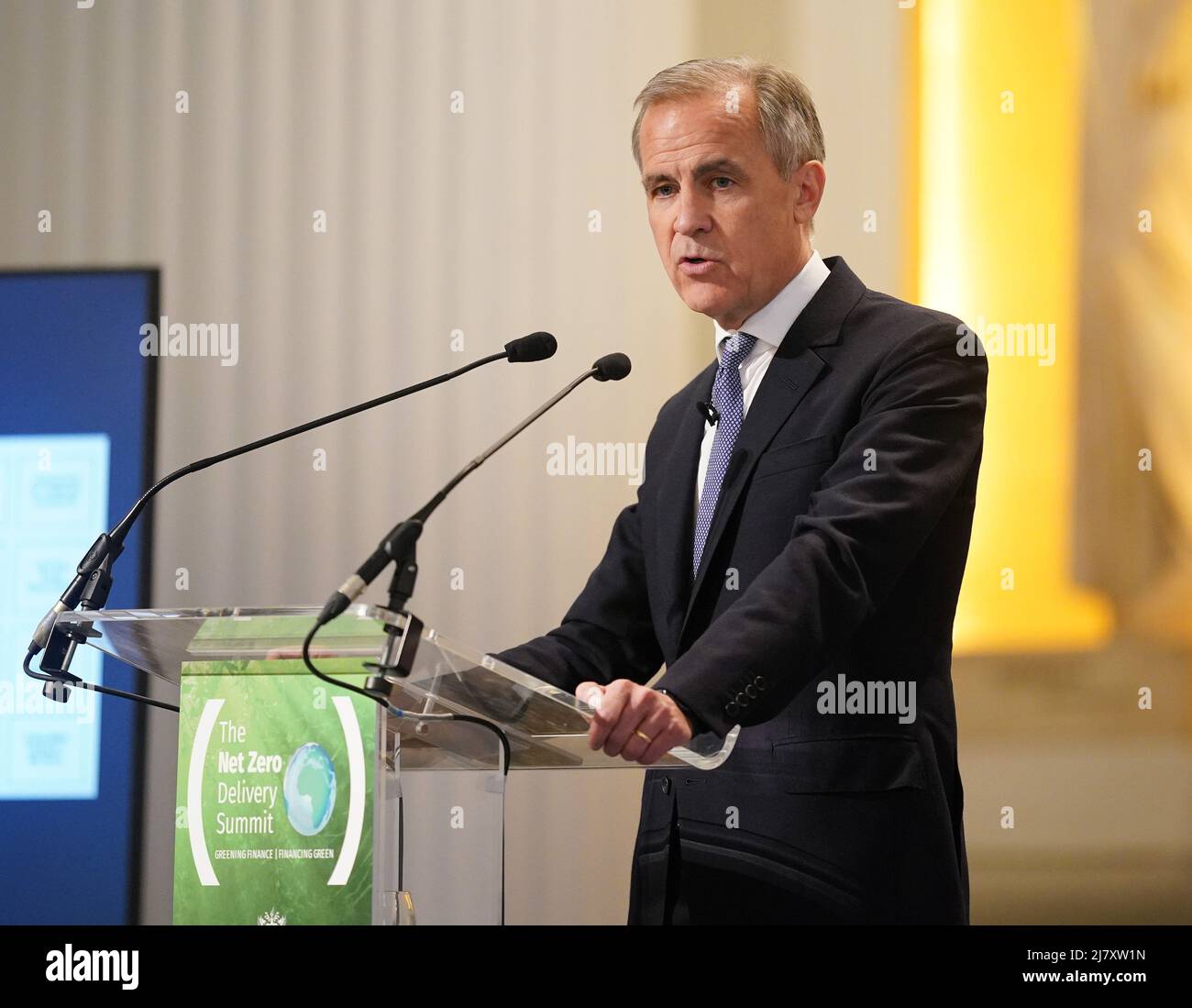
The collapse of trade negotiations between Washington and Ottawa marks a dangerous shift in international relations, driven heavily by an overreliance on unilateral economic coercion. When United States President Donald Trump implemented a fifty percent tariff on nearly twenty-eight billion dollars worth of Canadian imports, Canadian Prime Minister Mark Carney responded instantly by recalling his negotiating team and vowing dollar-for-dollar retaliatory measures. This sudden breakdown exposes the structural limits of using punitive tariffs as a permanent diplomatic instrument. Foreign affairs analysts like Waiel Awwad have pointed out that while bilateral friction over market access is common, weaponizing trade policy against a direct neighbor creates systemic instability that multilateral institutions like the World Trade Organization struggle to contain.
Tariffs are politically potent symbols of strength, yet they function poorly as instruments of long-term economic strategy. To understand why these measures routinely backfire, one must look closely at how modern supply chains operate. Consider a hypothetical manufacturing ecosystem where an automotive component crosses the United States-Canada border four times before final assembly. When a heavy duty tariff hits that component, the cost is not absorbed cleanly by the exporting country. Instead, the financial penalty compounds at every single crossing, ultimately inflating the price for domestic consumers and squeezing domestic manufacturers who rely on integrated parts.
Markets despise uncertainty more than they dislike high taxes. When Washington demands structural concessions under the immediate threat of economic isolation, the political cost for foreign leaders skyrockets. No sovereign government can openly surrender to last-minute ultimatums without suffering catastrophic domestic political damage. Prime Minister Carney faced an impossible choice: accept an asymmetric agreement dictated by Washington or protect Canadian workers through direct retaliation. By choosing retaliation, Ottawa ensured that the dispute will drag on through prolonged litigation and matching penalties, freezing capital investments across North America.
The broader casualty in this trade war is the predictability of global commerce. When traditional allies treat each other with zero-sum hostility, developing economies watch closely, adjusting their own foreign policies to hedge against American volatility. Multilateral trade architecture was originally designed precisely to prevent this kind of escalatory spiral, providing neutral arbitration channels where disputes can be mediated through established rules rather than executive decrees. Bypassing those institutional safeguards in favor of bilateral coercion guarantees that agreements reached today lack institutional durability, remaining vulnerable to the next political cycle.
Bilateral stability requires mutual respect for sovereignty and a commitment to predictable governance. Until policymakers recognize that economic intimidation yields diminishing returns, North American trade will lurch from one crisis to the next, leaving businesses and consumers to shoulder the mounting costs of diplomatic failure