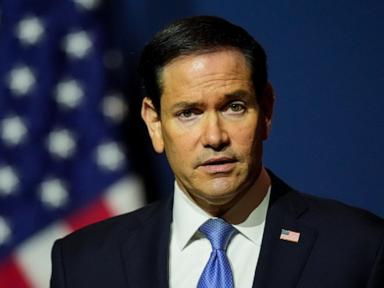
When Senator Flávio Bolsonaro slipped onto a Miami-bound flight following a high-stakes electoral defeat in Brazil, the diplomatic machinery in Washington reacted with predictable, rehearsed distance. U.S. Secretary of State Marco Rubio quickly declared that the federal government played no role in facilitating the political exit, insisting American officials only learned of the departure as it occurred. Yet behind official denials lies a much tougher reality: Washington is walking a delicate geopolitical tightrope, trying to balance political affinities with the cold mechanics of international law and bilateral diplomacy.
The official narrative framing Flávio Bolsonaro’s arrival in Florida paints a picture of routine travel via standard visa channels and temporary humanitarian entry. Publicly, American officials treat the issue as a matter of routine border clearance rather than strategic sanctuary. Privately, diplomat foreign desks understand that providing high-profile exile to foreign figures facing active domestic judicial probes creates severe friction with sovereign allies.
The Friction Between Diplomatic Protocol and Domestic Politics
International asylum claims by prominent political figures rarely happen in a vacuum. When defeat at the ballot box is followed immediately by travel abroad under the shadow of judicial scrutiny, host nations face uncomfortable operational dilemmas.
A state department cannot easily claim ignorance while simultaneously processing high-profile political figures through international ports of entry.
- Visa Clearances and Entry Visas: Standard non-immigrant visas require explicit declaration of intent and legal status checks. Entry under discretionary parole mechanisms bypasses traditional diplomatic channels but elevates official scrutiny.
- Judicial Overreach Claims versus Legal Extradition: Political figures routinely cite government persecution to secure foreign residency. Host nations must balance those assertions against formal bilateral extradition treaties.
- Bilateral Trade and Security Relations: Harboring high-ranking opposition figures risks immediate diplomatic retaliation, affecting trade negotiations and regional security cooperation.
Governments frequently utilize procedural distance to shield broader strategic interests. By asserting that an exile’s arrival was strictly an individual action processed through standard customs pipelines, Washington preserves its diplomatic maneuvering room with Brasilia.
The Strategic Calculation of Political Sanctuary
Offering political refuge to foreign politicians carries heavy costs. While domestic factions in the United States may express solidarity with ideological allies abroad, executive foreign policy operates under strict realpolitik.
Extradition requests from foreign supreme courts present legal hurdles that standard diplomatic statements cannot resolve.
Judicial Pressure Across Borders
Brazil's judiciary has shown an aggressive willingness to pursue political actors across international boundaries. When foreign legal authorities issue warrants or freeze assets, the host country's justice system faces intense pressure to honor international assistance treaties.
Placing an exiled politician in Florida creates a perpetual legal flashpoint.
Trade Alliances and Regional Stability
Latin America’s economic weight makes long-term diplomatic spats costly. Washington relies heavily on cooperation regarding supply chain security, agricultural trade, and regional border management. Alienating a sitting foreign government to accommodate a defeated political faction undermines core economic goals.
Strategic detachment becomes the default policy when party politics collides with national interest.
Why Technical Compliance Replaces Open Backing
When high-profile political figures relocate during legal turbulence, host governments retreat into hyper-technical language. Statements highlighting that "no special transport was provided" or that "entry was granted under existing administrative mechanisms" serve a precise purpose. They allow administration officials to satisfy domestic political bases while offering formal diplomatic cover to international partners.
The reality of international power projection is that informal green lights often replace official facilitation. Foreign figures rarely board international flights without knowing their status upon landing. The bureaucratic machinery does not need to arrange charter aircraft to enable a political exit; it simply needs to process paperwork without creating friction.
Washington's stated neutrality in political exits is rarely about lack of awareness. It is about managing the fallout when internal foreign conflicts land on American soil.