Nine people died in the December 2016 Karak Castle attack in Jordan, and the final casualty numbers revealed a much larger security breakdown than initial breaking news alerts ever captured. When headlines first flashed across wire services stating the death count in the Jordan church firing rose to 9, most international outlets scrambled to piece together fragments of a chaotic, multi-hour siege. Honestly, early reporting got half the geography wrong.
Gunmen didn't just target a single isolated parish. They ambushed security patrols in the southern town of Qatraneh, fled toward the historic hillside city of Karak, opened fire near a police station and local church grounds, and barricaded themselves inside a twelfth-century Crusader fortress with tourists trapped inside. Meanwhile, you can explore related events here: The Strategic Anatomy of Gadi Eisenkot and the Post-Netanyahu Power Equation.
Let's be clear about why those rising casualty numbers mattered so much at the time. Jordan had long been viewed by Western intelligence agencies and regional travelers as a rare island of stability surrounded by active conflict zones in Syria and Iraq. When four armed militants killed seven Jordanian security personnel, one local civilian, and a Canadian tourist on December 18, 2016, that reputation took a direct hit.
Breaking Down the Real Casualty Numbers and Locations
If you look closely at how breaking news cycles operate during active shooter incidents, the numbers always climb in messy waves. Initial dispatches from Amman reported five dead. Hours later, hospital confirmations pushed the toll higher until interior ministry officials confirmed nine fatalities alongside dozens of wounded officers and bystanders. To see the bigger picture, check out the excellent report by BBC News.
Here's who actually lost their lives during the Karak siege, based on official Jordanian Interior Ministry releases and international diplomatic confirmations:
- Seven members of Jordan's security forces, including officers from the Public Security Directorate and the elite Gendarmerie units who stormed the stone corridors of Karak Castle to rescue trapped civilians.
- One Jordanian civilian caught in the crossfire as the attackers sped through the town's narrow streets firing automatic weapons at police posts and nearby community buildings.
- Linda Vatcher, a 62-year-old retired teacher from Newfoundland, Canada, who was visiting her son Chris in Jordan when the gunmen stormed the tourist site. Her son survived the attack but sustained gunshot wounds during the firefight.
Twenty-nine other people ended up in local hospitals with gunshot and shrapnel injuries. Most coverage at the time focused heavily on the dramatic castle standoff, yet the violence began kilometers away when a routine police patrol responded to reports of a house fire in Qatraneh. That fire wasn't an accident. The militants had set up a bomb-making workshop inside a rented apartment, and an accidental blaze exposed their cache of explosives and automatic rifles before they were ready to strike.
Why Early Headlines Confused the Target Locations
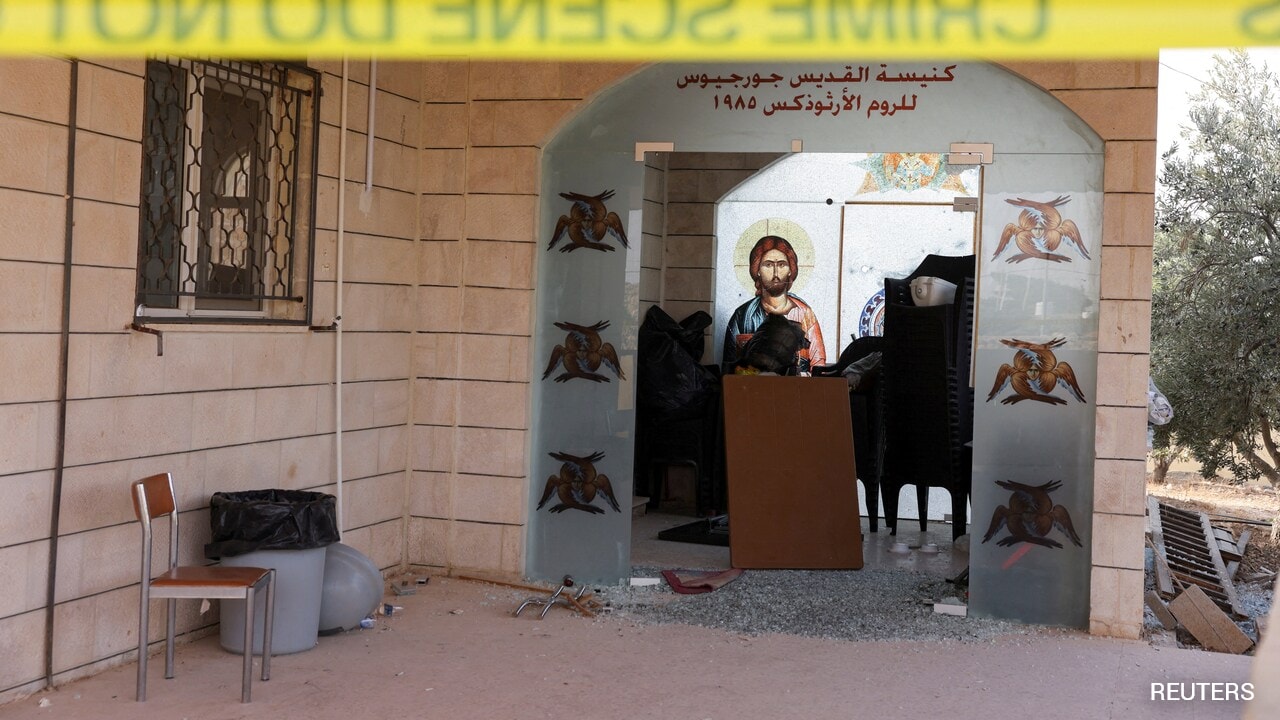
You'll still find archived headlines referring to a Jordan church firing or a police station shooting in Karak. That confusion happened for a very simple physical reason. Karak's old city center sits packed tightly atop a rocky plateau, where Christian churches, mosques, municipal buildings, and the main police headquarters sit within a few hundred meters of the castle entrance.
When the four attackers drove into town after shooting at officers in Qatraneh, they fired indiscriminately at security checkpoints and nearby structures along the main approach road. Witnesses heard gunfire echoing off stone walls right beside local church compounds, leading early stringers and social media accounts to report an attack on a church. In reality, the gunmen were fighting a running battle to reach the high ground of the fortress, where thick limestone walls gave them a defensive advantage over approaching police units.
I've analyzed dozens of crisis reporting timelines from the Middle East, and this exact pattern repeats constantly. Local witnesses report shots fired next to a recognizable landmark—like a neighborhood church—and wire editors turn that proximity into the primary headline before ballistics or police statements confirm the actual target.
Inside the Karak Castle Siege and Rescue Operation
Once the four gunmen forced their way inside Karak Castle, the crisis shifted from a mobile shootout into a tense hostage situation. Dozens of visitors, including foreign tourists and local families, were trapped inside the lower vaults and stone galleries of the fortress.
Jordanian special forces didn't wait days to negotiate. They surrounded the perimeter within the hour and launched a coordinated breach through the castle's narrow, dimly lit archways. Fighting inside a medieval fortress creates brutal tactical problems for modern police units. Night-vision gear struggles against sudden muzzle flashes in tight stone tunnels, and stray bullets ricochet off centuries-old masonry.
All four attackers were killed during the final assault by security forces. Two days later, the Islamic State group claimed responsibility for the ambush through its Amaq news agency, calling the attackers "soldiers of the caliphate." Even then, Jordanian intelligence officials noted that the cell appeared to be a domestic network operating with locally sourced weapons rather than a large cross-border invasion force.
The Security Failures Exposed by the Qatraneh Raid
The most troubling detail of the entire December 2016 incident didn't happen at the castle gates. It happened in the weeks leading up to the shooting, while four men stockpiled suicide belts, automatic rifles, and bomb-making chemicals in a residential neighborhood without triggering security alarms.
Follow-up raids by Jordanian authorities after the siege uncovered significant quantities of explosives and weapons hidden in their Qatraneh hideout. Two days after the Karak attack, security forces conducted another raid in the same governorate to arrest suspected accomplices, resulting in an additional firefight that killed four more officers and one militant.
People often assume Jordan's General Intelligence Directorate catches every plot before a single shot gets fired. Mostly, they do. Between 2014 and 2016, Jordanian forces foiled dozens of planned attacks linked to extremists crossing from Syria or radicalized online. Karak proved that small, self-contained cells using basic rented apartments could still slip past neighborhood surveillance until an accidental fire forced their hand.
How Jordan Changed Its Tourism and Domestic Policing Afterward
If you visit Karak Castle today, the security presence looks nothing like it did in December 2016. Back then, tourists walked straight through the main ticketing gate with minimal bag screening and only a handful of lightly armed tourism police nearby.
Following the death of nine people and the international headlines that followed, Amman overhauled security protocols across every major heritage site in the country—from Petra and Jerash to Mount Nebo and Karak:
- Dedicated rapid-response Gendarmerie units were stationed permanently near major tourist hubs rather than relying on municipal police stations to call for backup from Amman.
- Physical perimeter checkpoints and vehicle barriers were installed along single-access roads leading up to hilltop fortresses and archaeological parks.
- Landlord reporting rules were tightened across governorates like Karak and Ma'an, requiring stricter identity verification for short-term apartment rentals used by non-residents.
Tourism numbers in Jordan dipped sharply in the first quarter of 2017 before rebounding strongly over the next three years. Travelers didn't abandon the country long-term because the government responded transparently, acknowledged the casualties without burying the numbers, and visibly upgraded on-the-ground protection at historic sites.
What to Keep in Mind When Reading Breaking Crisis Reports
Whenever a major security incident breaks overseas and casualty figures climb rapidly, treat the first three hours of location labels with heavy skepticism. Check official interior ministry statements alongside verified diplomatic confirmations from embassies whose citizens were involved, rather than relying on single-line wire alerts that conflate adjacent landmarks with intended targets. If you're researching historical security incidents in Jordan or planning travel through southern governorates like Karak, consult updated government travel advisories from the U.S. Department of State or Global Affairs Canada alongside official announcements from the Jordanian Ministry of Interior to verify current regional security protocols and route conditions.