The fragile peace in the Middle East just took a hit. Early this morning, reports confirmed that Israeli aircraft struck the Abu al-Duhur airbase in Syria’s Idlib province. It wasn’t a small skirmish. Eight separate strikes hammered the runway and storage facilities. While no casualties were reported, the political fallout is already vibrating across the region.
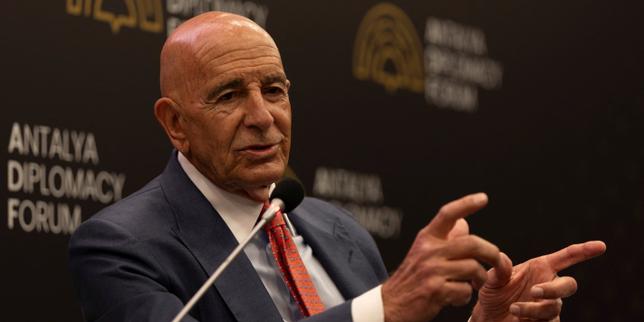
The United States isn’t just watching this; they are calling it out directly. Tom Barrack, the U.S. special envoy for Syria and Iraq, didn’t mince words. He publicly labeled these actions an "unnecessary escalation" that does nothing to foster regional stability. This shift in tone from Washington is notable. It marks a moment where the U.S. is signaling a clear boundary to its ally, urging a return to rational dialogue rather than military force.
The Strategic Importance of Abu al-Duhur
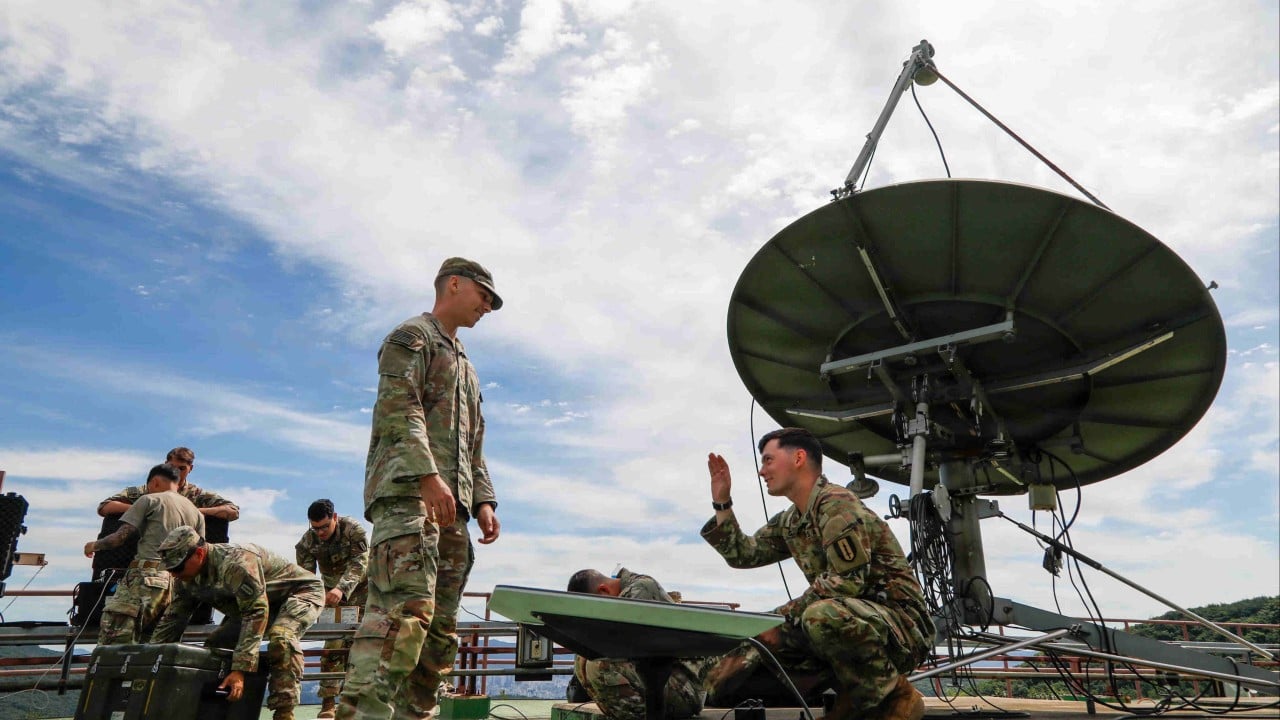
You might wonder why a single airbase in the middle of a conflict-torn country matters so much. Abu al-Duhur isn’t just a patch of asphalt. Since the fall of the Assad regime in late 2024, the site has been repurposed. It’s no longer the abandoned relic it was for years. Instead, it’s currently serving as a primary training hub for the new Syrian army.
There’s a deeper layer here, too. Reports suggest that Turkish forces have been spotted on-site recently, conducting inspections and prepping the base for restoration. If you’re Israel, watching your neighbors—or at least, regional powers with competing interests—consolidate military infrastructure near your borders is a red flag. Israel views these developments as a potential threat to its security, hence the aggressive preemptive strike.
A Triangulated Tensions Game
The dynamic between Israel, Turkey, and the new Syrian leadership is messy. Turkey is clearly making a play to expand its influence in the area. By helping rebuild Syrian military assets, Ankara is trying to carve out a role as a key regional power broker. Israel sees this differently. They seem determined to prevent a vacuum of power that could either allow Iranian-backed proxies to return or see Turkey install a military infrastructure that threatens Israeli interests.
This is exactly where the friction lives. Israeli Defense Minister Israel Katz has been vocal about his warnings regarding Syria's security posture. On the other side, Turkish Foreign Minister Hakan Fidan has repeatedly called for international pressure on Israel to respect Syrian territorial integrity. Washington is caught in the middle, trying to keep a lid on a pressure cooker that threatens to boil over.
Why the U.S. Response Matters
When the U.S. envoy calls a strike an "unnecessary escalation," they are attempting to assert their role as a moderator. Washington has been clear that they believe in a diplomatic track. They’ve even hosted private conversations between the involved parties in the past.
What’s happening on the ground in Idlib could derail those efforts. If Syria continues to rebuild its air force and Israel keeps hitting those efforts, we’re looking at a cycle of violence that benefits no one. The U.S. position is that there’s a way to handle regional security without turning every training ground into a target.
What Should You Watch for Next
The immediate aftermath of these strikes will likely involve a diplomatic dance. Don’t expect Israel to back down on its security stance. They’ve been clear about their red lines for decades. However, keep a close eye on the Turkish response. If Ankara decides that the targeting of a site they were "inspecting" is a direct affront, the tensions between Israel and Turkey could move from sharp rhetoric to more tangible friction.
The Syrian government, led by Ahmed al-Shara, is currently in a defensive crouch. They are calling this an "unjustified aggression" and appealing to the UN. Whether or not they have the actual capacity to respond militarily is a different question entirely. Most likely, they’ll lean heavily on international law and diplomatic alliances to restrain Israel.
If you’re tracking this for business or geopolitical reasons, the key is to monitor the status of the restoration work at Abu al-Duhur. If work continues despite the strikes, Israel will likely strike again. If the site is abandoned, it’s a sign that the international pressure from Washington and other allies is working. For now, the region remains on edge.