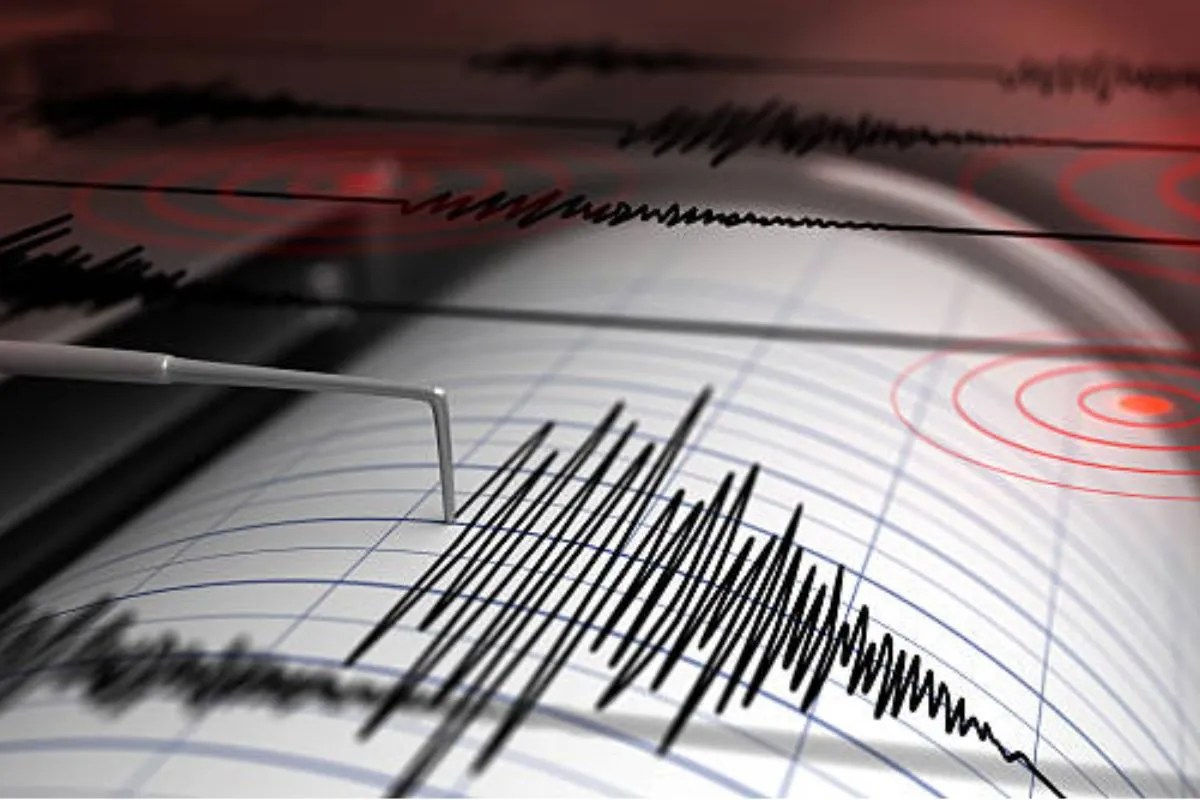
When the ground starts shaking violently beneath your feet in the middle of the night, every second counts. Early Sunday morning, a 5.9 magnitude earthquake rattled eastern Japan, sending sharp tremors straight through the capital city of Tokyo and surrounding prefectures.
If you think a 5.9 magnitude quake is routine for a country as seismically active as Japan, you're right, but that doesn't make it any less terrifying for the people living through it. Mobile phones shrieked with emergency alerts just moments before the violent shaking began, jolting sleeping residents wide awake.
Where the Epicenter Struck
According to the Japan Meteorological Agency (JMA), the earthquake originated in southern Ibaraki prefecture at a depth of roughly 70 kilometers. While the United States Geological Survey (USGS) logged the preliminary magnitude slightly lower at 5.8, the impact across the region was immediate.
Unlike massive offshore megathrust events that trigger catastrophic coastal waves, officials quickly confirmed there was no danger of a tsunami. That single piece of news prevented widespread panic along the coast, yet the sudden jolt was more than enough to disrupt normal life across multiple urban centers.
Injuries and Infrastructure Damage
Most of the reported injuries weren't caused by collapsing buildings or structural failures. Instead, the chaotic panic of waking up to violent tremors caused people to scramble, trip, and crash into furniture or doors.
Across four major prefectures, at least 23 people sustained injuries. Saitama and Kanagawa recorded nine injuries each, Chiba reported four, and Ibaraki saw one. In Yokohama, an elderly woman in her 80s suffered a serious hip injury after falling straight out of her bed.
Infrastructure took a minor hit too:
- An underground water pipe ruptured in Tokyo's eastern Koto ward, flooding a section of a local road before utility crews shut off the leak.
- About 460 homes in Tokyo experienced sudden blackouts, though TEPCO Power Grid restored electricity by later Sunday morning.
- Express train services heading toward Tokyo and Narita Airport faced delays, while local lines in northeastern areas slowed down.
Fortunately, the iconic Shinkansen bullet trains continued running normally without major disruptions. The Nuclear Regulation Authority also confirmed that roughly a dozen nuclear power plants and specialized handling facilities across the region reported zero anomalies.
Why This Tremor Feels Different
Disaster preparedness is practically a way of life in Tokyo, but timing plays a massive psychological role. Coming weeks after a destructive 7.1 magnitude earthquake struck the Kumamoto area on Kyushu island—which left dozens dead and thousands of buildings damaged—residents are understandably on edge.
Prime Minister Sanae Takaichi moved fast, setting up an immediate task force to evaluate potential structural damage and coordinate emergency responses. Japanese authorities continue to urge citizens living in heavily shaken zones to remain vigilant, as minor aftershocks remain entirely possible over the coming days. Stay alert, check your emergency kits, and rely solely on official meteorological updates.