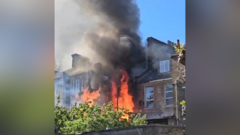
The sirens cut through the night. Flames leaped from the roof of the old building. Smoke blanketed the surrounding residential streets.
When you hear about a synagogue and homes evacuated due to property fire, the immediate reaction is usually shock. You think about the families forced out into the cold. You worry about the sanctity of a historic structure. But if you look past the initial adrenaline, you realize something crucial. These events are rarely random accidents. They are symptoms of systemic failures in our urban safety infrastructure.
I have spent years analyzing urban fires and emergency response protocols. I have seen how quickly a small spark can turn into a neighborhood catastrophe. It isn't just about water pressure or response times. It's about how we maintain our buildings and how we prepare communities for the worst-case scenario.
Let's break down exactly what happened, why it matters, and what property owners must do right now to avoid a similar tragedy.
The Reality Behind the Incident
Fire is fast. It destroys. Without warning.
When a synagogue and homes evacuated due to property fire hit the local news, the coverage usually focuses on the damage. Reporters show images of shattered windows and charred timber. They interview displaced families. They talk about the history of the building. But they miss the underlying mechanical issues.
Let's examine the anatomy of this specific type of emergency.
In dense urban neighborhoods, residential buildings sit inches away from community spaces. A fire in one structure doesn't stay contained. It creeps. It jumps across roofs and ignites neighboring properties through radiant heat.
The recent incident in question involved an older property. Older buildings lack modern fire-resistant materials. They feature open cavities in the walls and floors. These act as chimneys, drawing the fire upward and outward.
I've walked through buildings just days after a fire. The smell of ash lingers. The devastation is absolute. Most of these property fires start due to faulty wiring, neglected heating equipment, or simple human error. The synagogue, built in the early 20th century, likely had outdated electrical infrastructure. Upgrading these systems is expensive. Many organizations delay the work until it's too late.
Unique Hazards of Historic Properties and Places of Worship
Places of worship and historic homes present unique fire safety challenges. They are beautiful. They are culturally significant. But they are also dangerous if not properly managed.
Electrical and Structural Vulnerabilities
Historic buildings rely on knob-and-tube wiring or outdated electrical panels. These systems cannot handle the load of modern appliances, lighting, and HVAC systems. When a congregation hosts a large event, the electrical grid experiences a massive surge. This causes wires to heat up and spark behind the walls.
Furthermore, the construction materials are highly combustible. Dry, century-old wood burns hotter and faster than modern engineered lumber. Once a fire breaches the plaster and lathe, it spreads undetected for hours.
Heating Systems and Seasonal Risks
During the winter months, heating systems run constantly. Boilers and furnaces work overtime in large community spaces. If maintenance is skipped to save money, the risk of a flue fire or a gas leak increases exponentially.
Let's look at the statistics from the National Fire Protection Association. Electrical failures rank as the leading cause of fires in religious properties. Heating equipment follows closely behind. This isn't a mystery. It is a predictable outcome of neglect.
The Reality of Urban Evacuations
Evacuating an entire block during a fire is chaotic. Panic sets in quickly. Families must gather pets, essential documents, and children in the middle of the night.
How Emergency Responders Make Decisions
Fire chiefs don't make evacuation decisions lightly. When the dispatch center receives a call about a property fire near a synagogue, they send multiple engine companies. They establish a perimeter. They assess the wind speed and the proximity of nearby buildings.
If the fire shows signs of spreading, the incident commander orders a full evacuation of the block. This requires coordination between the fire department, local police, and public transit authorities to provide temporary shelter.
Community and Neighborhood Preparedness
In many cases, neighbors don't know each other well enough to coordinate an evacuation. They wait for official instructions, which costs precious minutes.
I always advise property owners to build a local network. Exchange phone numbers with your neighbors. Establish a point of contact for emergencies. If you see smoke, don't wait for the fire truck to arrive before you start alerting people. Knock on doors. Make sure the elderly and the vulnerable are out of the building.
Actionable Steps for Property Owners and Managers
You cannot control everything, but you can control your own property. Here are the practical steps you need to take to prevent a fire and prepare for an evacuation.
Upgrading Your Fire Detection Systems
Don't rely on basic battery-powered smoke detectors. They fail when you need them most.
- Install interconnected smoke alarms. When one sounds, they all sound.
- Integrate your system with a local monitoring service. The service will alert the fire department automatically, even if you are not home.
- Test your alarms every single month. Replace the batteries every six months.
Creating a Family or Community Evacuation Plan
You need a clear plan. Practice it twice a year.
- Identify two exits from every room in your home.
- Establish a designated meeting spot at least two blocks away from the property.
- Prepare a grab-and-go bag with necessary medications, identification, and a phone charger.
If you manage a community building, you must post evacuation maps in prominent locations. Keep the hallways clear of furniture and religious artifacts that could block an exit.
Routine Inspections and Maintenance
Hire a licensed electrician to inspect your wiring every five years. Do not attempt DIY electrical work. It voids your insurance and creates a severe hazard.
Service your furnace, boiler, and chimney every autumn before the cold weather sets in. Clean out dryer vents and remove lint buildup. These small steps prevent major disasters.
Insurance and Financial Recovery After a Fire
Recovering from a fire takes months, sometimes years. The insurance process is complex and often frustrating.
Many property owners discover their coverage limits are too low after the damage is done. The cost of rebuilding has skyrocketed in recent years due to inflation and material shortages. You must review your policy annually. Ensure your coverage includes "Code Upgrade" protection. This clause pays for the additional costs of bringing an older building up to modern building codes during the rebuild.
Keep digital copies of your valuable possessions, receipts, and property deeds in the cloud. If your physical documents are destroyed, you will need proof of ownership to file your claim.
Next Steps for Community Resilience
We cannot stop every accident. We can, however, reduce the severity of the damage and protect human lives.
The synagogue and homes evacuated due to property fire serves as a wake-up call for every neighborhood. Take a walk around your property today. Look for exposed wires, blocked exits, or neglected heating systems. Call a professional if something looks wrong. Talk to your family about what to do in an emergency.
Preparation saves lives. Start today before the sirens ring.