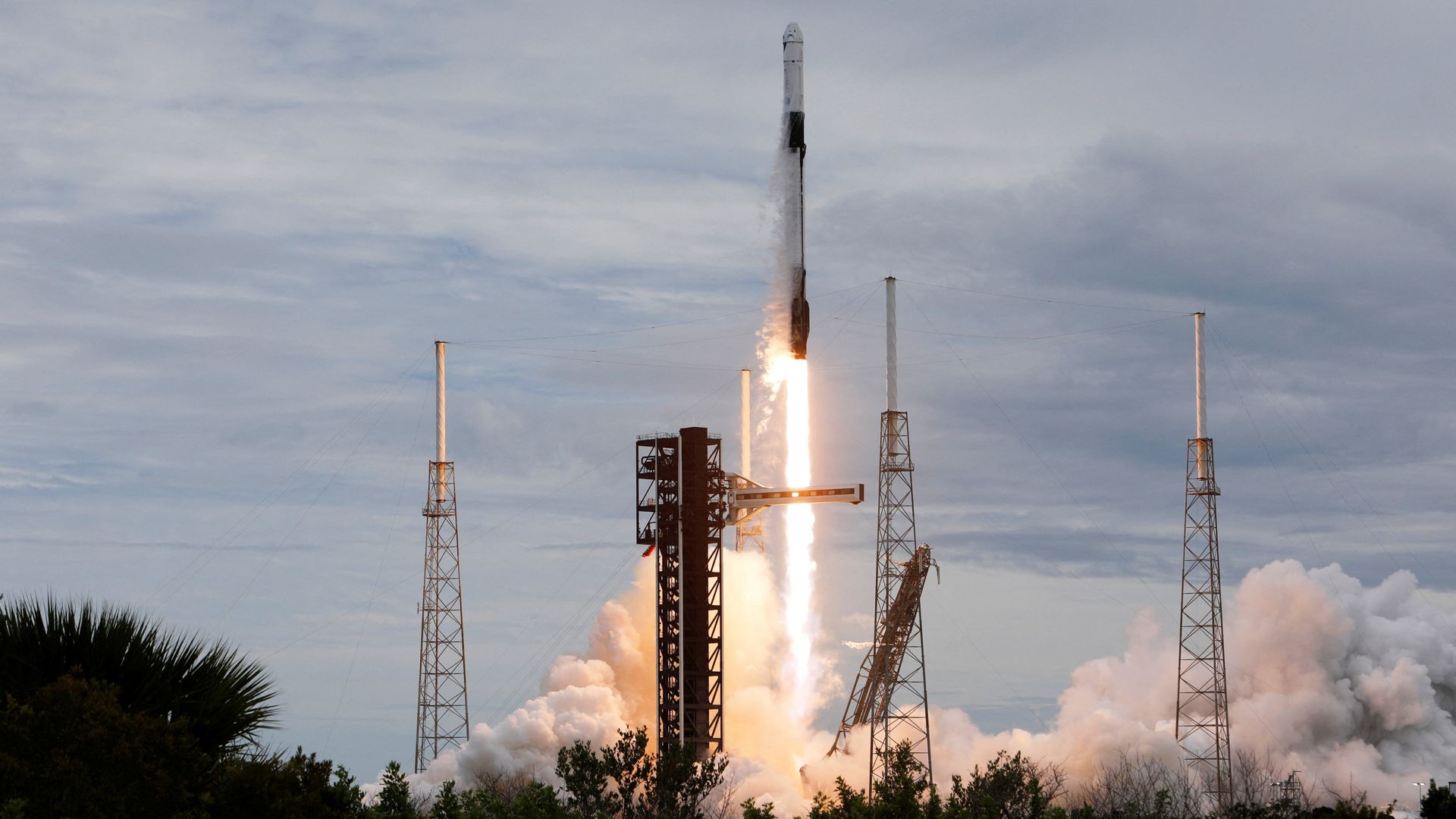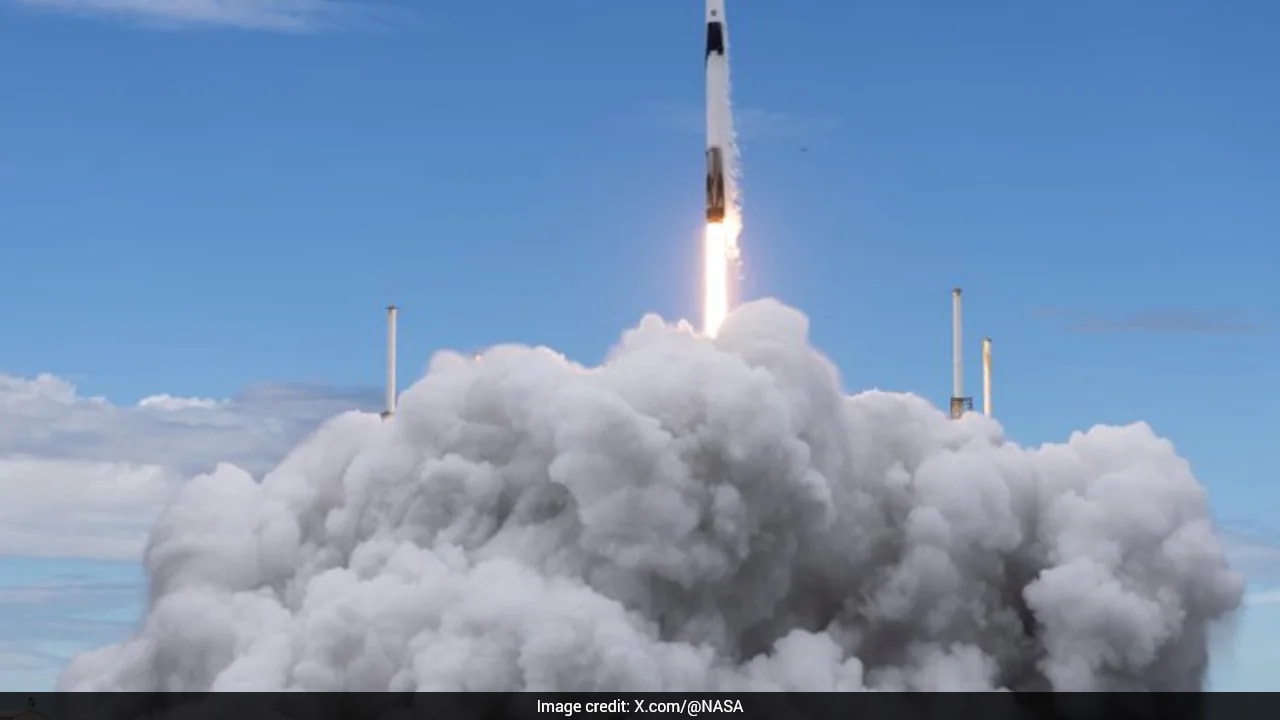
Space travel used to mean enduring a two-day orbital chase just to reach the International Space Station. You packed into a cramped capsule, floated in zero gravity while your muscles adjusted, and waited forty-eight hours of docking maneuvers. That routine changed overnight when a fresh crew of four astronauts docked with the orbiting laboratory just eight hours after blasting off from Earth. It sounds fast. It is fast. But the mechanics behind this hyper-efficient journey reveal a massive shift in how humanity commutes to orbit.
Most people assume rockets just point up and burn fuel until they hit space. They don't. Orbital mechanics are unforgiving puzzles of velocity, altitude, and timing. When you launch, you aren't just aiming at a floating football field; you are chasing a target moving at seventeen thousand five hundred miles per hour roughly two hundred and fifty miles above your head.
For years, space agencies relied on multi-day rendezvous profiles. These slower trajectories gave flight controllers plenty of time to check systems, correct orbital insertion errors, and let the spacecraft slowly creep up on the station through a series of carefully calculated engine burns. It was safe. It was conservative. It was also exhausting for the crew stuffed inside a capsule barely bigger than an SUV.
Cutting Out the Wait
The shift to an eight-hour flight profile isn't a random stroke of luck. It requires pinpoint precision right from the launch pad. If a rocket misses its insertion window by even a fraction of a second, the fast-track rendezvous becomes impossible, and the crew has to fall back to a slower, traditional two-day chase.
Why push for speed? Because human physiology hates spaceflight. The moment gravity disappears, fluids shift toward your head, your vestibular system starts throwing tantrums, and space adaptation syndrome kicks in. Handing astronauts a multi-day migraine factory while they sit strapped into rigid seats is a terrible way to start a six-month mission. Getting them out of their suits and floating freely inside the station's roomy modules within a single working day preserves their health and morale.
Think about your worst commercial flight delay, then multiply that discomfort by zero gravity and add a spacesuit. Reducing that transit time to a standard workday changes the physiological toll on professional flyers entirely.
The Engineering Behind the Shortcut
Executing an eight-hour rendezvous demands advanced guidance software and absolute reliability from rocket thrusters. You cannot eyeball an orbital interception. Autonomous navigation systems onboard the spacecraft talk directly to the station, constantly recalculating trajectories and firing small maneuvering thrusters without waiting for ground control to crunch numbers in Houston or Moscow.
This level of automation points directly toward the future of commercial spaceflight. Private companies footing the bill for orbital tourism and industrial manufacturing in microgravity cannot afford the luxury of large teams of flight controllers babysitting a spacecraft for two full days. Speed equals cost-efficiency.
We are watching a transition from experimental exploration to routine transportation. When airline passengers board a flight from New York to London, nobody expects to sleep overnight on the tarmac. Low Earth orbit is slowly adopting that same commuter mindset, even if the price tag and the physics remain radically different.
What This Means for Future Explorers
As commercial orbital habitats replace the aging International Space Station over the next decade, quick delivery of personnel will become mandatory. You can't run a bustling orbital economy if every crew change requires a weekend of preamble.
The successful execution of this rapid transit proves that our orbital logistics are finally maturing. We are moving past the era where every launch is a white-knuckle historical event and stepping into an era of predictable, high-frequency space traffic.
Check your watch next time a crew launches. If they are walking through the hatch before dinner time, you are looking at the new normal of human space travel.