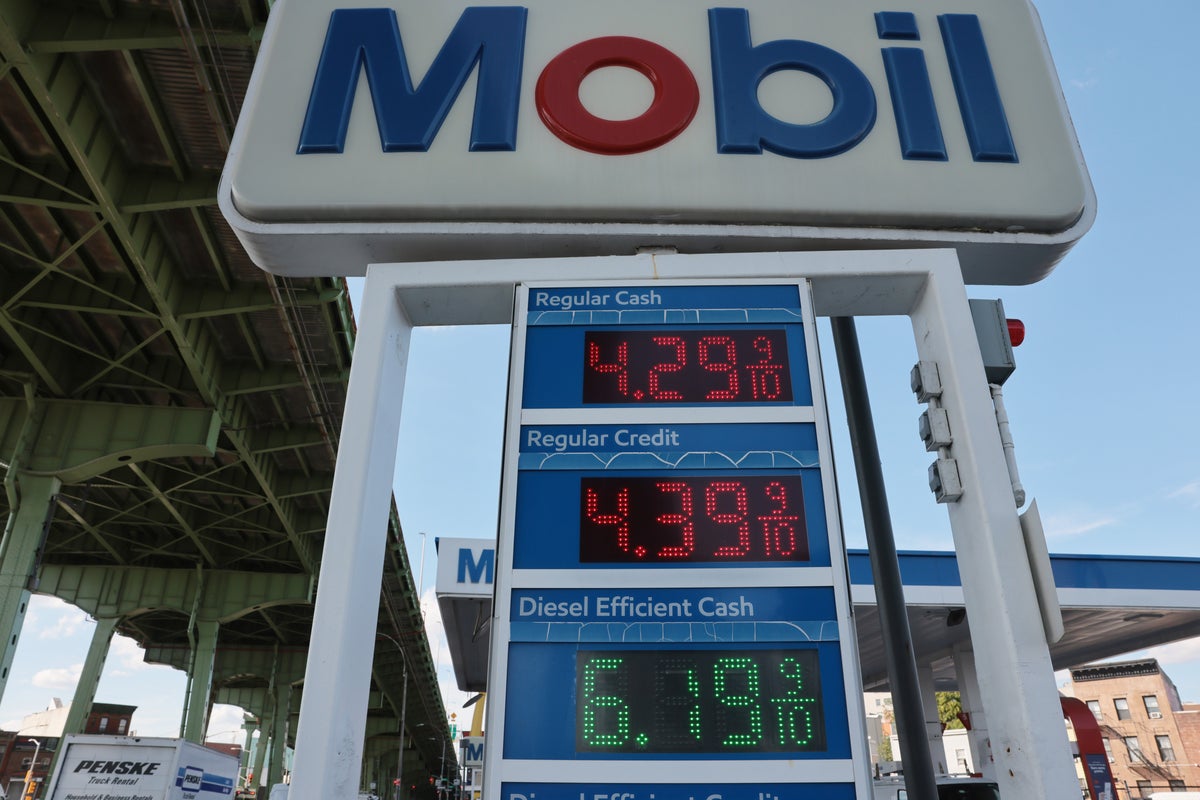
Every single year, as summer gasping into its final breath, the media dusts off the exact same worn-out script. Headlines scream about record high gas prices over Labor Day weekend. Pundits on cable news clutch their pearls, standing in front of neon fuel station signs while drivers complain into microphones about a system that is completely out of control. Politicians issue emergency statements demanding investigations into price gouging.
It is exhausting, predictable economic theater. And almost every single word of it is wrong.
The lazy consensus is that expensive fuel at the pump represents an unmitigated disaster for the American public, a predatory tax levied by greedy oil conglomerates punishing families trying to squeeze out one last road trip.
I have watched logistics firms, retail giants, and transit networks obsess over fuel expenditures for decades. I have seen corporations panic over every single penny increase per gallon, burning millions on hedge strategies that ultimately fail because they are fighting the wrong war.
The real story is not that fuel costs too much. The real story is that energy has been artificially cheap for so long that we have built an entire civilization around wasteful inefficiency, and any minor correction toward market reality sends the public into a collective panic.
The Fallacy of the Pump Price Obsession
When drivers see four dollars or five dollars a gallon, their brains short-circuit. They fixate on the absolute number flashing on the digital marquee without context, without historical adjustment, and without accounting for purchasing power.
Adjusted for inflation, fuel prices today are nowhere near the historical anomalies alarmists pretend they are. But more importantly, obsessing over the pump price ignores the actual economics of vehicle ownership and travel. Fuel is a fraction of the total cost of moving a ton of steel down the highway. Depreciation, insurance, maintenance, and financing dwarf the cost of gasoline for the average passenger vehicle. Yet people will drive ten miles out of their way to save three cents a gallon, burning more value in time and fuel than they actually save.
This is the central delusion of the holiday travel panic. We treat gasoline like a basic human right rather than a scarce, refined commodity extracted from deep inside the earth, transported across continents, and processed in high-risk industrial facilities.
When prices spike ahead of a holiday weekend, basic economics is doing its job. Demand surges because millions of people decide to hit the highways simultaneously. Refineries are transitioning between summer and winter blends. Supply meets a massive, artificial spike in consumption. If prices did not rise, you would not see empty spaces at the pump; you would see dry tanks, massive rationing lines, and black markets. High prices are the only efficient rationing mechanism that prevents total supply collapse.
The Hidden Subsidy We Ignore
For decades, society has insulated drivers from the true cost of burning fossil fuels. We built sprawling suburban landscapes that require automobile dependence for every single quart of milk or trip to the office. We funded massive highway networks through general taxes rather than toll-based usage fees that reflect actual wear and tear.
When fuel prices stay artificially depressed, we double down on bad infrastructure choices. Cheap gas finances the purchase of heavier, less efficient vehicles. It encourages longer commutes, urban sprawl, and logistical supply chains that span thousands of miles for goods that could be sourced locally.
When prices jump, yes, it pinches household budgets in the short term. But that friction is the exact signal required to change behavior. High fuel costs force manufacturers to build better engines, push consumers toward hybrid or electric alternatives, and compel cities to invest in functional public transit. Comfort is the enemy of innovation. If gas remained at two dollars a gallon forever, Detroit would still be churning out eight-cylinder land yachts with single-digit mileage, and efficiency research would grind to a halt.
The Price Gouging Myth
Let us address the favorite political scapegoat: corporate price gouging.
Every time crude oil spikes or refinery capacity tightens, politicians dust off accusations of collusion and illegal price manipulation by oil majors. It plays well on the evening news, but it collapses under the slightest scrutiny.
ExxonMobil, Chevron, and independent refiners do not sit in a smoke-filled back room setting arbitrary numbers on holiday weekends. Oil is a globally traded commodity priced on transparent exchanges influenced by geopolitical instability, currency fluctuations, extraction limits set by cartels like OPEC, and regional inventory levels.
If oil companies possessed the magical ability to simply dictate high prices at will, why would they ever lower them? Why would they experience multi-billion-dollar quarterly losses during economic downturns? The margins in the downstream refining sector are notoriously thin and volatile. Blaming refiners for high holiday prices is the economic equivalent of blaming the thermometer for a fever.
What You Should Do Instead
Stop treating gasoline price spikes as a personal affront or a systemic conspiracy. If high fuel costs disrupt your life every time you want to drive out of town, your entire mobility model is fragile.
Optimize your transit life for volatility. If your household budget shatters because gas goes up fifty cents a gallon, your fixed overhead on transportation is already too high. Downsize your vehicle weight class. Utilize remote work flexibility during peak travel windows instead of joining the masses idling on the interstate for four hours. Support high-density zoning that reduces the need to drive thirty minutes just to buy groceries.
The next time a news anchor looks into the camera with grave concern about holiday gas prices, remember what you are actually witnessing: a market working precisely as intended, shaking us out of our complacency and forcing us to confront the true cost of our convenience.