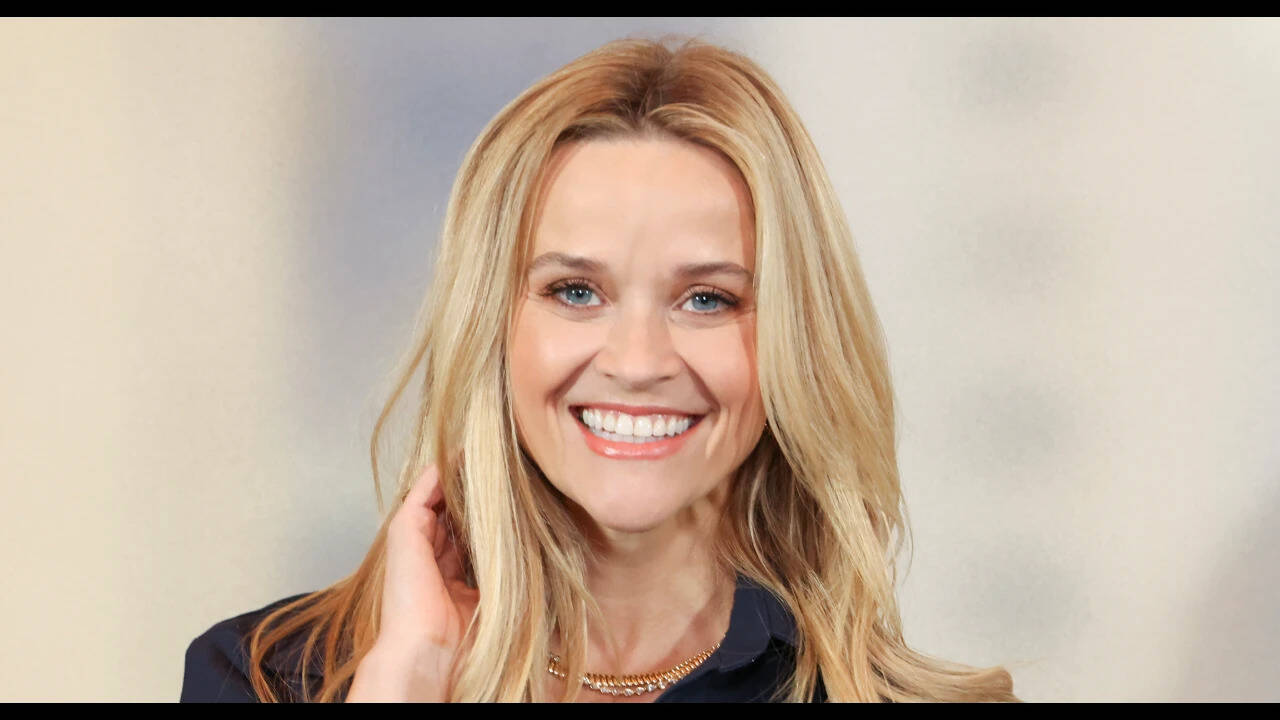
Reese Witherspoon bought back Hello Sunshine in October 2026 for a reported low to mid eight figure sum, ending a five year chapter that began with a headline grabbing valuation north of $900 million.
That gap tells you everything you need to know about what happened to peak streaming money. In August 2021, Blackstone backed a new media venture led by Kevin Mayer and Tom Staggs that valued Witherspoon's women focused studio at over $900 million. Five years later, Witherspoon partnered with French production group Mediawan to reclaim the company from Candle Media at a steep discount, alongside workforce reductions at the studio.
Honestly, this wasn't just a bad bet on one studio. It was a reckoning with how private equity priced talent, IP, and insatiable streaming demand when interest rates were cheap and streamers acted like bottomless ATMs.
The $900 Million Peak vs. The 2026 Reality Check
In 2021, Wall Street and private equity treated boutique content producers almost like software companies with recurring upside. If a studio had hit shows, a massive book club brand, and an A-list founder with a magnetic audience, buyers slapped a huge multiple on future growth.
Witherspoon built Hello Sunshine in 2016 around stories driven by female characters and readers. By the time Blackstone stepped in with Candle Media's launch, the company had momentum from projects like Big Little Lies and Little Fires Everywhere, plus the cultural reach of Reese's Book Club. A valuation above $900 million sounded wild even at the time to plenty of seasoned industry watchers. A tiny library compared to legacy studios doesn't automatically compound like a deep catalog of thousands of licensed titles.
When the market shifted, multiples compressed hard across media. By the time Witherspoon and Mediawan stepped in during October 2026, reports placed the price in the low to mid eight figures—a fraction of that 2021 mark. Media coverage noted steep value erosion from the peak, and Candle Media had already been unwinding or reassessing parts of its 2021-era roll-up strategy, including selling back a majority stake in ATTN earlier in 2026.
Let's be real about why valuations swung so violently. Buyers in 2021 were paying for peak licensing wars between rival streaming platforms. Once streamers pulled back on spending, cut costs, and focused on profitability, independent producers lost pricing power almost overnight.
Why Private Equity and Creative Founders Often Clash
Money doesn't automatically align creative instincts with corporate scale. Look at what happens when a founder-led brand gets folded into a large financial vehicle.
On paper, private equity brings capital, operational discipline, and scale. In practice, pushing a boutique creative shop to hit aggressive growth targets can strain the exact culture that made audiences trust it in the first place. Reports around the Candle and Hello Sunshine dynamic pointed to conflicting views on what the business could and should become.
- Scale pressures vs. editorial taste: A book club or producer thrives on curation and voice. Turning curation into a volume machine risks diluting the filter readers and viewers rely on.
- Catalog depth vs. star gravity: Many indie banners rely heavily on key executives, creators, and ongoing output rather than owning massive evergreen libraries outright. If volume slows, revenue feels it immediately.
- Buyer alignment: A financial buyer wants an exit multiple; a creative founder wants creative control and longevity. Those goals don't always stay in sync once the honeymoon ends.
I've watched plenty of creative founders sell majority control thinking they'll keep the steering wheel while someone else worries about spreadsheets. Sometimes that works for a year or two. Often, when budgets tighten, the people holding the equity start asking harder questions about return on capital.
What Mediawan Brings to the Reacquisition
Teaming up with Mediawan changes the math in a practical way. Mediawan isn't just a financial sponsor writing a check and waiting for a multiple expansion; it's an operating production group led by co-founder and CEO Pierre-Antoine Capton with an international footprint across film and television.
For Hello Sunshine, international distribution and cross-company collaboration matter right now. U.S. buyers aren't the only game in town, and stretching projects across global partners helps spread risk when domestic commissioning slows down. Co-founder Seth Rodsky also returning alongside Witherspoon signals an effort to rebuild around people who know the company's DNA.
Still, let's keep expectations grounded. A comeback story doesn't erase industry headwinds. Major studio consolidation—including the heavily leveraged combination of Warner Bros. Discovery and Paramount Skydance—means fewer big checkbooks chasing outside shows, while platforms like Netflix have leaned harder into producing more content in-house.
Nobody can wave a wand and turn 2026 into 2021. Surviving and thriving now requires tighter budgets, sharper IP selection, and real distribution pathways rather than hype.
Lessons for Creators and Founders Negotiating Deals
You don't need a Hollywood production company to learn something expensive from this story. Whether you run a media brand, a consumer agency, or a niche software shop, the dynamics are remarkably similar.
First, treat peak-cycle valuations with healthy skepticism. When everyone is bidding up assets in a booming market, a huge headline number can tempt you to trade away long-term control for near-term cash. Ask yourself what the business looks like if your main customer or distribution channel cuts budgets by 20% next year.
Second, vet the type of buyer, not just the price. Ask who will actually run things day to day, how decisions get made when margins shrink, and whether the buyer understands what customers love about your product. Promises in a pitch deck fade fast when quarterly targets miss.
Third, if you ever consider buying a business back—or starting over—run the numbers coldly. A discounted re-entry can be smart if you're getting core assets at a realistic price with strong operating partners, but only if the underlying demand still exists and you're willing to do the unglamorous work of rightsizing operations.
If you're evaluating a buyout, a partnership, or a turnaround right now, audit three things before signing anything: your core revenue concentration, your fixed overhead if top-line growth stalls, and whether your operating partner brings real distribution or just capital.


