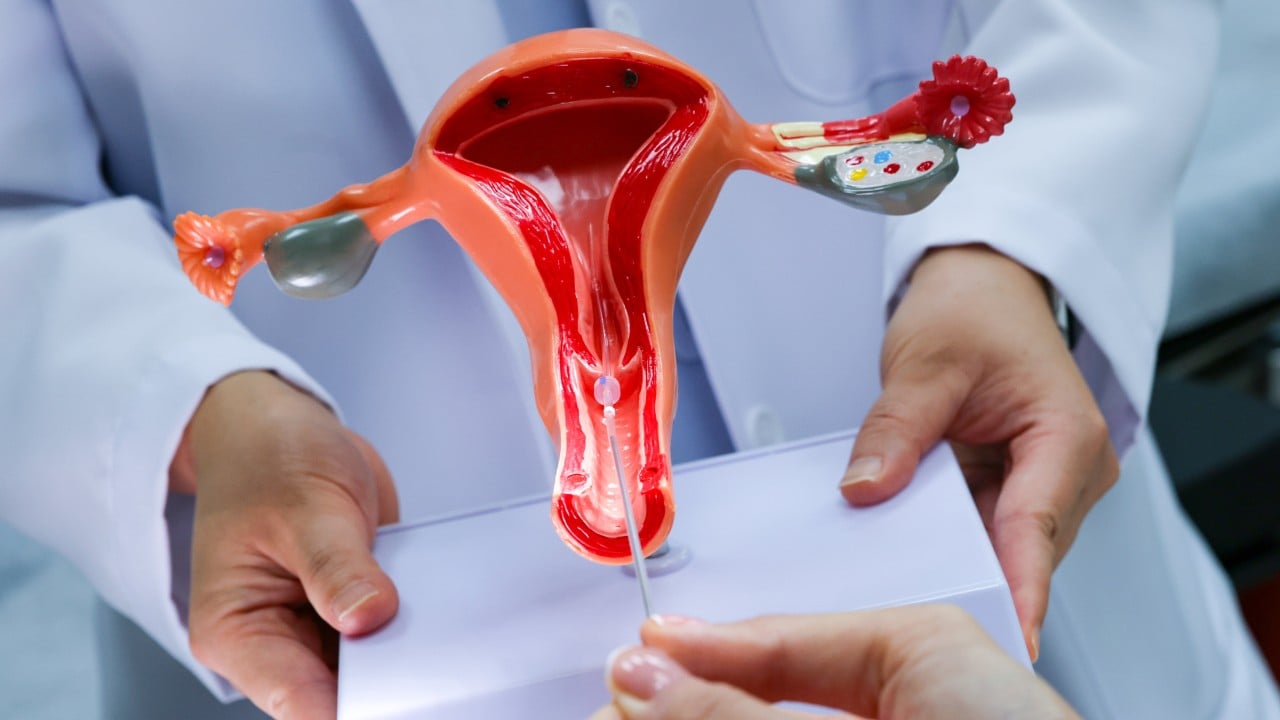
For decades, the expansion of assisted reproductive technology outpaced statutory oversight, leaving clinics to operate in a flexible medical Wild West. Now, political bodies and professional associations are scrambling to rewrite the rules. Chief among these proposals are aggressive calls from conservative and medical factions alike to mandate tighter procedural checks on preimplantation embryo biopsies and overhaul the broader statutory framework governing in vitro fertilization. Beneath the veneer of consumer protection and bioethical stewardship lies an intense ideological tug-of-war. The outcome will fundamentally reshape how modern families are built.
To understand why this friction has reached a boiling point, one must look at the mechanics of the laboratory. When a fertility clinic performs an embryo biopsy, technicians typically extract a few cells from the trophectoderm of a five-day-old blastocyst. This material undergoes preimplantation genetic testing to screen for chromosomal aneuploidies or single-gene disorders before uterine transfer. While intended to prevent heritable diseases and increase implantation success, the procedure requires cellular disruption. For regulatory traditionalists, handling, testing, and discarding embryos that fail screening represents an ethical red line. For patients and practitioners, these diagnostic steps are vital safety checks that prevent devastating miscarriages and genetic anomalies. Also making headlines recently: Why Younger Siblings Dominate Elite Sports And The Science Behind The Birth Order Advantage.
The Regulatory Blind Spot
Current federal oversight of fertility clinics remains remarkably thin. Facilities must report success rates to the Centers for Disease Control and Prevention under the Fertility Clinic Success Rate and Certification Act, and laboratories fall under Clinical Laboratory Improvement Amendments standards. Yet neither framework dictates the moral or legal status of the entities being cultured, frozen, and biopsied.
This governance vacuum leaves patients vulnerable to widely varying clinic practices. Informed consent forms can span fifty dense pages or a single ambiguous signature block. Cryopreservation storage agreements frequently lack standardized clauses for dispute resolution, abandonment, or catastrophic facility failure. When political figures demand a legislative overhaul, they seize upon this structural ambiguity. They argue that the absence of strict statutory boundaries invites unchecked experimentation. Additional insights on this are detailed by Healthline.
Critics of increased government intervention point out a dangerous paradox. Heavy-handed legal constraints often masquerade as patient advocacy while quietly restricting medical autonomy. If a state legislature mandates rigid oversight of embryo biopsies under the classification of independent human life, the legal liability for practitioners skyrockets. Under such conditions, standard diagnostic procedures risk becoming legally perilous. Clinics may abandon genetic screening entirely to avoid potential criminal exposure. Patients carrying genetic markers for severe hereditary conditions would lose access to preventative screening options.
The Commercial Pressure Cooker
Commercial realities further complicate the landscape. The fertility sector functions as a multi-billion-dollar industry driven by private equity investments, high out-of-pocket consumer costs, and competitive marketing. Clinics face immense pressure to advertise high success rates. This dynamic creates an incentive to adopt add-on technologies—such as expanded genetic panels and complex biopsy procedures—before long-term clinical utility is fully established.
When industry bodies advocate for self-regulation, they aim to stave off punitive legislative overhauls. However, voluntary guidelines lack teeth. A clinic that flouts professional recommendations faces little more than institutional censure, whereas statutory violations carry criminal penalties and loss of licensure. Bridging this gap requires a delicate balance. Lawmakers must draft rules that protect patient safety and clarify disposition rights without transforming reproductive endocrinologists into criminal defendants for performing routine laboratory medicine.
Navigating the Legislative Maze
Proposed legal frameworks often attempt to codify comprehensive informed consent protocols, mandating that patients receive explicit disclosures regarding the exact fate of every biopsied or non-transferred cell. While administrative transparency is welcome, the execution matters. If compliance mandates require burdensome judicial review boards for standard laboratory discards, the resulting administrative gridlock will freeze clinical operations. Fertility care is time-sensitive and emotionally taxing. Adding bureaucratic hurdles to an already grueling medical process exacts a severe toll on prospective parents.
The debate over reproductive technology law is no longer a quiet academic seminar for bioethicists. It is an active legislative battleground with immediate consequences for anyone seeking to build a family through modern medicine. As political pressure mounts to monitor microscopic cellular clusters with the weight of criminal law, the fundamental architecture of reproductive freedom hangs in the balance. The path forward demands precision, not reactionary bans that penalize the very patients science was designed to help.


