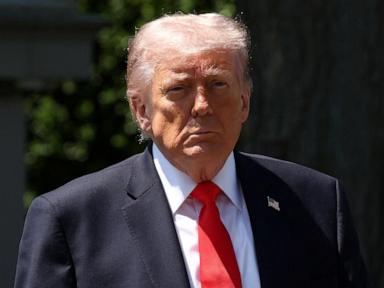
The stakes just hit a breaking point in the five-week-old war between the United States and Iran. After 48 hours of high-tension silence, President Donald Trump confirmed early Sunday that a missing U.S. Air Force colonel has been pulled out of the Iranian mountains. It wasn't just a pickup. It was a massive, high-risk play involving dozens of aircraft and a CIA deception campaign that sounds like a movie script.
You probably saw the "WE GOT HIM" post on Truth Social. While the rhetoric is loud, the technical reality of this mission is what actually matters for the next phase of this conflict. If the Iranians had captured that colonel, the leverage they'd have held over Washington would've been absolute. Instead, the U.S. military just proved it can still operate deep inside contested airspace despite Iran's upgraded defense systems.
The 48 Hour Hunt in the Mountains
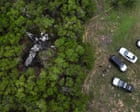
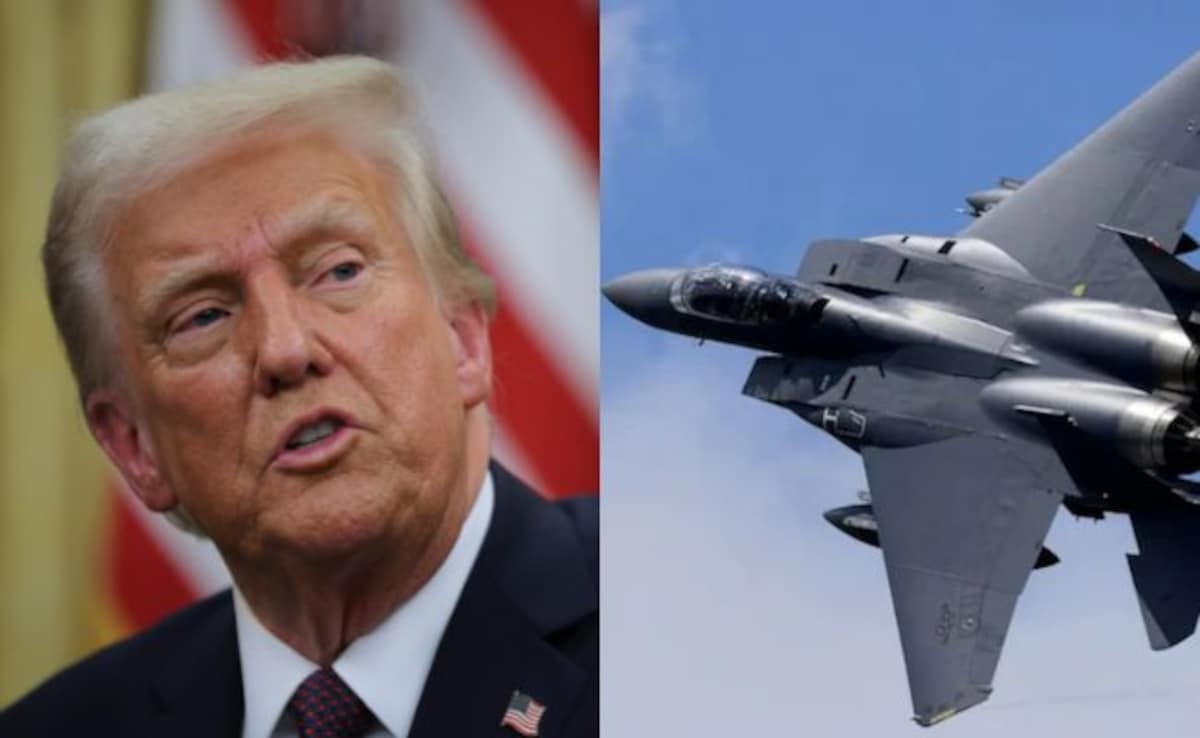
This started Friday when an F-15E Strike Eagle went down over southwestern Iran. We now know it was the first American fighter jet lost to enemy fire in over two decades. The pilot was recovered almost immediately, but the second crew member—a weapons systems officer—vanished into the rugged terrain of the Kohgiluyeh and Boyer-Ahmad province.
For two days, it was a race. Iranian state media was literally offering bounties to citizens who could turn in the "enemy pilot." While the colonel was hiding in a mountain crevice, the CIA was busy running a "deception campaign." They reportedly leaked fake info inside Iran claiming he'd already been moved across the border to throw off the search parties.
While the Iranians were chasing ghosts, MQ-9 Reaper drones were circling overhead. Sources say these drones were authorized to strike any military-aged males who got within three kilometers of the downed airman. It’s a brutal, necessary math when you're trying to prevent a hostage crisis that could end a presidency.
Breaking Down the Daring Op
Trump called it "one of the most daring Search and Rescue Operations in U.S. History." He isn't wrong about the scale. Moving dozens of aircraft into Iranian territory isn't a quiet Sunday stroll.
- The Hardware: Pave Hawk helicopters and C-130s did the heavy lifting, supported by a massive screen of fighter jets.
- The Resistance: This wasn't a clean extraction. During the initial Friday attempts, two Black Hawks were peppered with small arms fire. An A-10 Warthog providing cover was hit so hard the pilot had to eject over Kuwait later.
- The Result: The colonel is injured but stable. More importantly, no American lives were lost during the actual extraction on Sunday.
The technical proficiency here is staggering. To keep a "lock" on a person on the ground for 24 hours a day in mountainous terrain requires a level of coordination between satellite intelligence, high-altitude drones, and ground signals that most countries can't dream of.
The Strategic Shift
The rescue doesn't mean the war is winding down. It actually removes the biggest hurdle to a massive escalation. Trump had already given Iran a 48-hour ultimatum to reopen the Strait of Hormuz. With the colonel safe, the "hostage" deterrent is gone.
The Iranian military responded by saying the "doors of hell" will open if their infrastructure is hit. We're past the point of posturing. The U.S. has shown it can penetrate deep into Iranian territory and get its people out. Iran has shown it can actually knock American jets out of the sky.
Honestly, the risk of a full-scale regional collapse is higher today than it was on Friday. Now that the U.S. doesn't have to worry about a pilot in a cage, the handcuffs are off for the next round of strikes.
If you're tracking the markets or global energy prices, pay attention to the 48-hour clock Trump mentioned. It’s ticking. You should prepare for significant volatility in fuel prices as the focus shifts back to the Strait of Hormuz. Monitor official State Department advisories if you have interests in the region, as the technical success of this rescue mission likely emboldens a much more aggressive air campaign in the coming days.