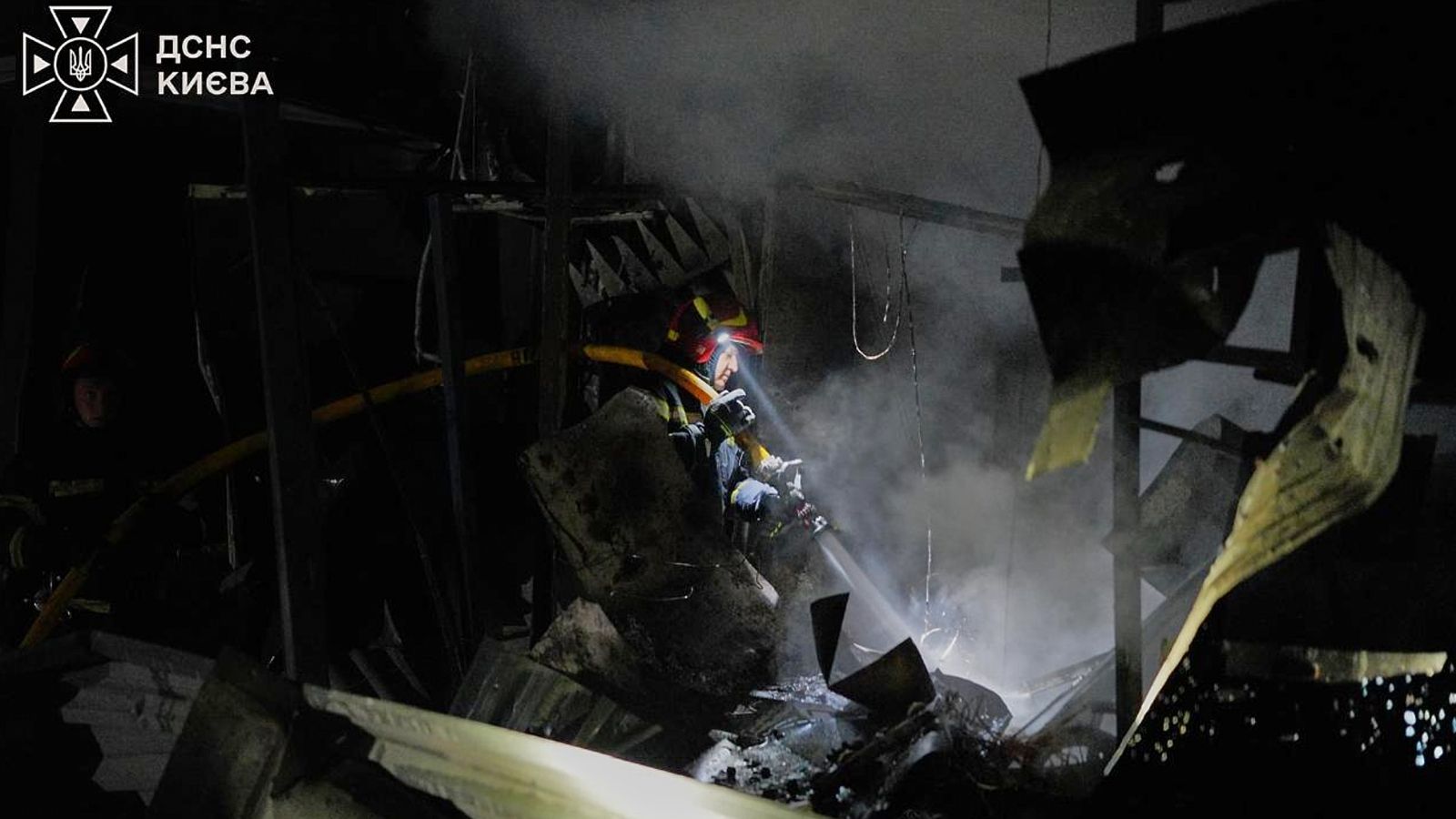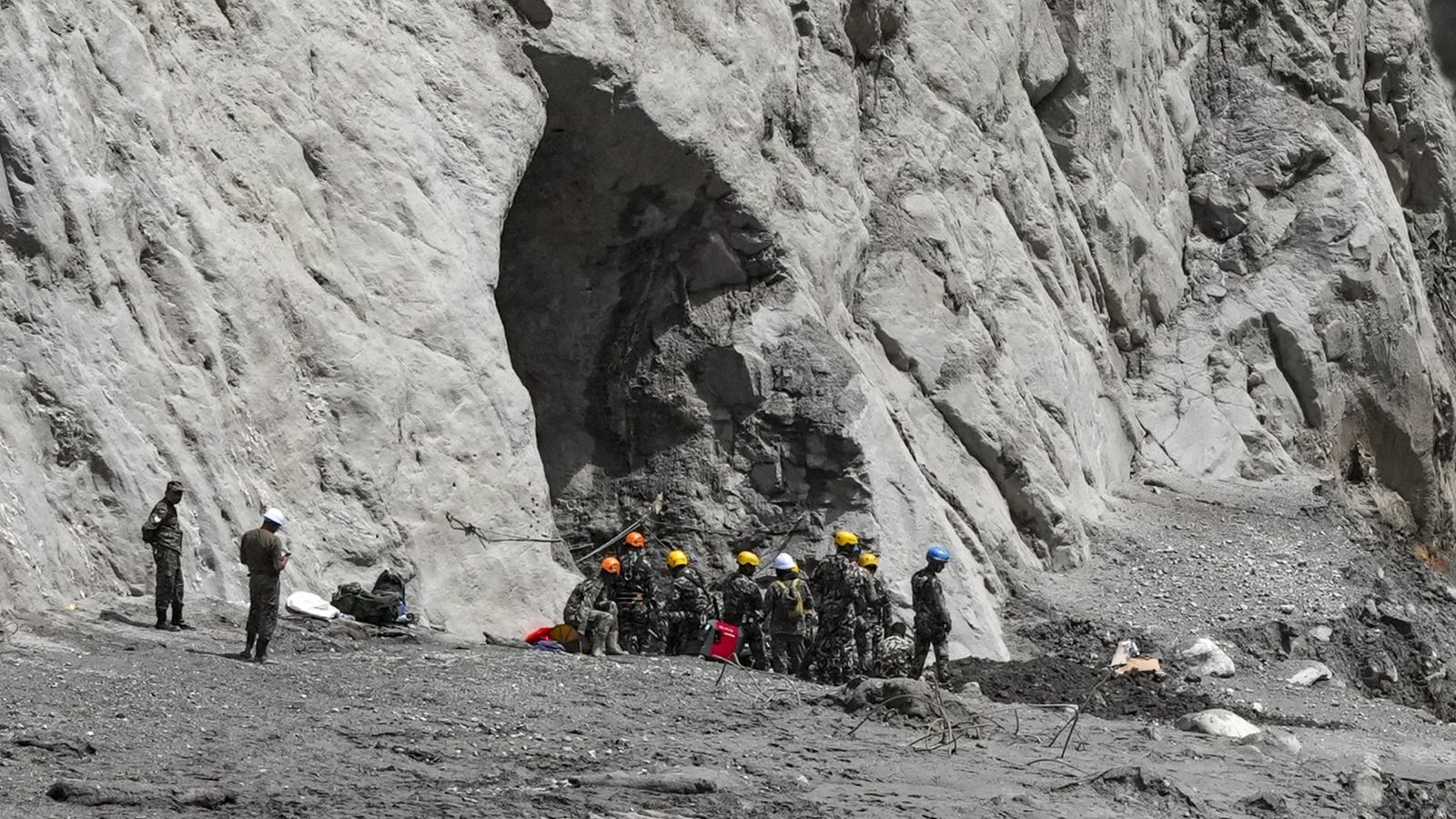
The headlines following the Nepal floods predictably zeroed in on the sensational imagery. Bank vaults full of physical cash ripped from concrete foundations, floating down swollen rivers while armed police scramble in rubber dinguits to secure soggy bundles of rupees. The immediate media narrative frames this as a failure of physical infrastructure, a security lapse, and a logistical nightmare for central bankers trying to dry out millions of waterlogged notes.
Everyone is looking at the mud, but nobody is looking at the balance sheet.
Focusing on the physical security of paper currency during a catastrophic climate event is like complaining about the paint job on a burning house. The real story isn't that cash got wet. The real story is that we still rely on physical currency vaults in geographical floodplains at all.
The Fallacy of Perimeter Defense
When commercial banks build branches, they construct vaults designed to withstand determined thieves with diamond-tipped drills and blowtorches. They optimize for human malice. They do not optimize for hydrodynamic force.
When a monsoon swells a river beyond its banks, concrete and steel offer zero defense against displacement. Water exerts approximately 62.4 pounds of force per cubic foot. When millions of cubic feet of water move at high velocity through a valley, a bank vault acts less like a fortress and more like a heavy concrete boat without a rudder.
I have watched risk management teams spend months auditing physical access controls, dual-key protocols, and armed guard response times, only to watch a regional weather event wipe out the entire facility because it was built on a cheap floodplain allotment near a river basin.
The security forces wading into waist-deep water to salvage sodden banknotes are engaging in theatrical risk mitigation. Even if they recover every single wet rupee, the cost of drying, authenticating, sorting, and replacing damaged legal tender often approaches or exceeds the face value of the currency itself. Central banks routinely incinerate tons of recovered disaster-cash because the labor cost of processing moldy fiat exceeds its utility.
The Modern Liquidity Paradox
The lazy consensus in disaster recovery is that cash is king because digital systems fail when the power goes out. You hear this trope repeated ad nauseam by preppers and legacy bankers alike: When the grid goes down, only physical paper buys you bread.
This argument ignores the reality of modern disaster zones. When an entire town's physical infrastructure is washed down a ravine, local merchants do not have functioning storefronts, cash registers, or inventory. Physical cash is useless if the bakeries, fuel stations, and supply roads no longer exist.
More importantly, treating physical currency as the ultimate disaster backup creates a single point of failure tied to local geography. If your liquidity is locked inside a physical box sitting five feet above a riverbed in Kathmandu or a rural valley, your entire economic continuity is hostage to local topography.
What We Should Be Doing Instead
We need to stop treating cash security as a hardware problem and start treating it as a software topology problem.
- Decentralize the Node Architecture: Regional banks must stop centralizing physical reserves in single, highly vulnerable vault locations in low-lying municipal centers.
- Embrace Offline-Capable Digital Redundancy: True financial resilience during natural disasters comes from cryptographic token systems that can sync over mesh networks or satellite uplinks once connectivity is restored, rather than relying on paper notes that dissolve in mud.
- Redefine Asset Protection: Insurance policies that pay out based on physical currency recovery are obsolete. Risk transfer models must evolve to cover systemic displacement rather than local salvage operations.
The police officers guarding floating bank vaults in Nepal are doing heroic work for a lost cause. They are saving symbols while the underlying system burns—or in this case, drowns. Until financial institutions realize that geography is the ultimate security vulnerability, we will keep watching the absurd spectacle of armed guards chasing paper down a muddy river, pretending we are managing risk when we are merely managing optics.