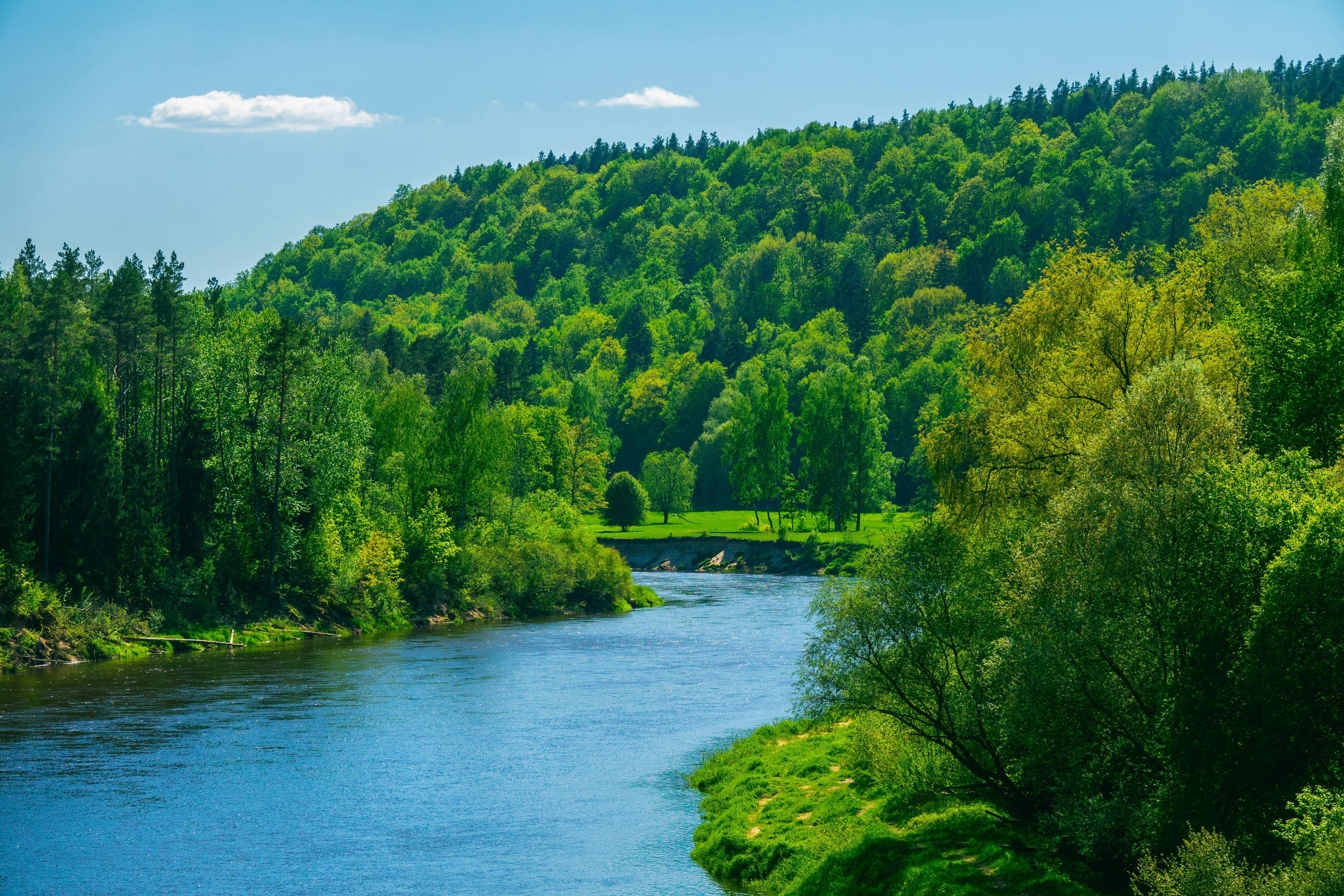
Water does not care about borders. It cuts through stone, slips under barbed wire, and pools in the palms of farmers who have never heard of a diplomat. Yet, for decades, men in suits have tried to cage the rushing snowmelt of the Himalayas with paragraphs. They wrote treaties. They drew lines across blue veins on parchment. They hoped that ink could manage the raw, surging weight of a river system that feeds hundreds of millions of lives.
Consider what happens when that ink begins to fade.
Vinay Kwatra stood before microphones with a quiet gravity, his words carrying the heavy scent of diplomatic friction. The accusation was stark. Pakistan, according to the official assessment, had systematically eroded the foundations of trust underpinning the Indus Waters Treaty. To a casual observer, it sounds like dry bureaucratic posturing. Another dispute over a shared resource. Another chapter in a century-old geopolitical standoff.
Look closer.
Step away from the podium in New Delhi and walk down to the banks of the Chenab. Listen to the dry rustle of parched stalks in a Punjab wheat field where the soil is cracking open to the sun. Here, abstract legal arguments about arbitration courts and permanent commissioners translate into a very simple, terrifying reality: will the sluice gates open tomorrow, or will the earth turn to dust?
The Indus Waters Treaty of 1960 was supposed to be a miracle. Signed during an era of fierce animosity, it divided six rivers between two nations born of a bloody partition. India received the eastern rivers. Pakistan inherited the western lifelines. For a long time, it worked. Wars raged elsewhere—jets screamed across the skies, armies clashed in the mountains—while technical commissioners quietly met to share data and resolve disputes. The treaty survived artillery fire.
Then came the modern era. Climate change began to melt the glaciers faster than statistics could keep up. Demands soared. Populations doubled, then tripled. And the delicate machinery of cooperation started to grind to a halt.
To understand the current deadlock, we have to look at how nations negotiate survival.
Imagine a shared kitchen where two families agree to split the groceries, but one family insists on installing locks on the pantry doors while demanding continuous access to the refrigerator. That is the essence of the current friction. India argues that Pakistan has stonewalled modifications, weaponized legal mechanisms through the Permanent Court of Arbitration, and refused to address structural changes needed to handle modern water management and hydroelectric projects. Pakistan, conversely, views any upstream alterations by India—such as the Kishenganga or Ratle projects—as an existential threat to its agricultural heartland.
Water is leverage. Water is power.
When diplomatic channels clog up, the human cost compounds silently. In a small village near Lahore, a grandfather tells his grandson about the floods of his youth, when the river was a generous mother. Today, the same river feels unpredictable. Sometimes it arrives as a sudden, devastating torrent that washes away mud-brick homes; other times it slows to a sluggish trickle that smells of silt and scarcity.
The tragedy of the Indus Waters Treaty is not that it failed overnight. It is that it is dying a death of a thousand cuts. Every missed meeting, every legal maneuver in Hague courtrooms, every sharp exchange at a diplomatic summit chips away at the invisible architecture of trust.
Trust is like topsoil. It takes centuries to form and only minutes to wash away.
When senior officials point fingers, they are describing symptoms of a deeper sickness. The treaty was built for a simpler twentieth-century world of static climate patterns and predictable political behavior. It did not anticipate an era where environmental degradation would act as a third, uninvited party at every negotiation table. It did not account for the sheer desperation of populations facing unprecedented heatwaves and dwindling subterranean aquifers.
We are left standing at the edge of a profound uncertainty.
The rivers will keep flowing from the roof of the world, indifferent to the communiqués issued in Islamabad and New Delhi. They will carve their paths through the gorges, spilling out into the plains where mothers wait for rain and children play in the dust. The real test of leadership will not be measured by who wins a legal debate over dispute resolution mechanisms. It will be measured by whether anyone remembers that behind every cubic meter of water diverted lies the heartbeat of a subcontinent waiting to see if humanity can outlive its own divisions.
The glacier melts. The drop falls. The current moves on.