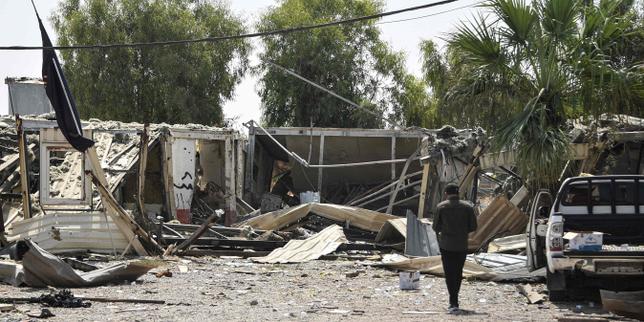
The rules of engagement across the Middle East changed the moment Saudi leadership decided strategic patience had run its course. For years, regional observers watched Riyadh absorb proxy attacks, cross-border drone strikes, and maritime harassment with calculated restraint. That era is dead. Saudi Arabia shifted from absorbing blows to delivering them, fundamentally rewriting the security architecture of the Gulf.
If you still think Riyadh relies solely on Western security umbrellas to handle regional threats, you are missing the entire plot. Meanwhile, you can read other events here: Why A US Iran War In The Strait Of Hormuz Is A Complete Media Myth.
The Cost of Strategic Patience
Look at how the narrative shifted. Not long ago, foreign policy analysts wrote endless papers about Saudi strategic culture being risk-averse. They pointed to decades of diplomatic channels, financial aid packages, and defensive posturing as proof that the kingdom would always choose quiet containment over direct confrontation.
That theory crumbled under the weight of sustained kinetic attacks. When critical energy infrastructure takes direct hits, traditional diplomacy stops working. Riyadh realized that turning the other cheek only invited harder strikes. To see the complete picture, check out the detailed article by NBC News.
You cannot run a multi-trillion-dollar economic diversification project like Vision 2030 while your oil facilities burn. Security is the absolute prerequisite for economic transformation. Once regional provocations threatened the core timeline of domestic modernization, Saudi decision-makers dropped the defensive playbook.
Moving Past Traditional Alliances
For decades, the standard assumption was simple. Riyadh pays the bills, Washington provides the muscle.
That transactional model fractured. Saudi Arabia watched successive American administrations signal a pivot away from the Middle East. Strategic reliability became a variable rather than a constant. You adapt or you get left behind.
Riyadh adapted by diversifying its diplomatic portfolio. Normalization talks, backchannel communications with adversaries, and strategic economic partnerships with Beijing and Moscow changed the diplomatic leverage. When you stop relying on a single superpower, your hands untie.
This multi-alignment strategy gives the kingdom room to maneuver. It is not about abandoning old partners. It is about refusing to let anyone else dictate the terms of your national security.
The Economic Weaponization of Stability
Power in the modern Middle East isn't just measured in missile batteries. It runs on capital, energy markets, and infrastructure projects.
Saudi foreign policy now weaponizes economic integration just as effectively as traditional deterrence. When Riyadh engages regional actors, it brings a dual message. Cooperation yields massive trade and investment benefits through regional development initiatives. Hostility brings total diplomatic isolation and targeted countermeasures.
This approach flips the script on traditional asymmetric warfare. Instead of matching proxy groups man-for-man in asymmetric skirmishes, Saudi Arabia uses its massive financial weight to isolate hostile networks and dry up their room to breathe.
Redefining Regional Red Lines
Clear boundaries matter. In the past, ambiguity allowed Iran and its regional network to test Saudi limits without triggering a severe response.
That ambiguity is gone. The kingdom established stark red lines regarding territorial integrity, maritime security in the Red Sea, and the safety of critical supply chains. Crossing those lines now triggers immediate diplomatic pushback, targeted intelligence operations, and coordinated counter-measures with regional partners who share the same security concerns.
This posture creates a higher cost matrix for aggression. When bad actors realize that provocations guarantee an immediate response rather than a polite diplomatic note of protest, the calculus changes completely.
What This Means for the Future of the Gulf
The shift from restraint to active deterrence is permanent. Saudi Arabia is done outsourcing its survival.
You will see continued pragmatic diplomacy paired with hard-nosed defense readiness. Riyadh will talk when it serves national interests, but it will retaliate instantly when crossed. The old playbook of quiet endurance is gone for good, replaced by a doctrine of active, assertive self-reliance that defines modern Middle Eastern geopolitics.