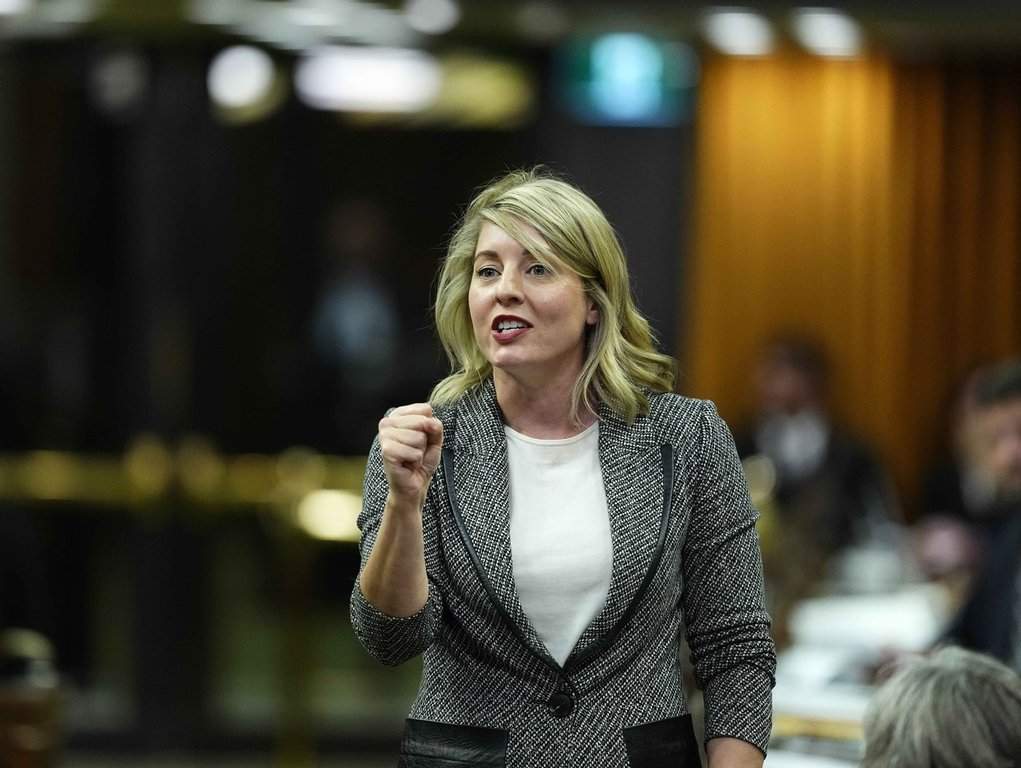
Hollywood endorsements usually fade into background noise by November, yet Robert De Niro refuses to let anyone tune him out. At an Indivisible event, the Academy Award winner stepped up to the microphone with a blunt message for voters—get to the ballot box early, and treat Donald Trump as an existential threat to American democracy.
It wasn't a polished PR stunt. De Niro has spent years trading barbs with Trump, and his appearance alongside grassroots organizers from Indivisible shows how celebrity activism has shifted from glossy fundraisers to local turnout operations. If you've followed politics over the last decade, you know De Niro doesn't mince words. He called out Trump's rhetoric directly, urged attendees not to wait until Election Day, and framed early voting as the single most practical defense against chaos at the polls.
What Actually Happened at the Indivisible Event
Indivisible isn't your typical celebrity haunt. Founded in late 2016 by former congressional staffers Leah Greenberg and Ezra Levin, the network built its reputation on local chapters pressuring lawmakers and mobilizing neighborhood volunteers. Bringing De Niro into that space wasn't about glamour. It was about raw attention.
During his remarks, De Niro hammered two main themes. First, he attacked Donald Trump's fitness for office, repeating a stance he has held publicly since the 2016 campaign when he famously called Trump a "national disaster" in a viral video. Second, he pivoted straight to logistics, pressing the crowd to bank their votes early rather than risking long lines, bad weather, or last-minute disruptions on Election Day.
That second part matters way more than the insults. Political operatives know that headlines grab eyeballs, but ballot banking wins tight races. When a high-profile figure pairs sharp anti-Trump commentary with a specific call to vote early, campaigns get two things at once—earned media coverage and an actionable instruction for supporters.
Why Early Voting Became the Centerpiece of Modern Campaigns
If you've ever volunteered on a local campaign, you know the panic that sets in during the final seventy-two hours before Election Day. Cars break down. Work shifts run late. Rainstorms hit swing counties at 5 p.m. Every voter who casts a ballot two weeks early is one less person a field organizer has to chase down on a Tuesday night.
According to data tracked by the University of Florida's Election Lab, tens of millions of Americans now cast their ballots before Election Day through in-person early voting or mail-in ballots. That shift changed how campaigns spend money and deploy surrogates. Instead of saving big rallies for the final weekend, groups like Indivisible bring out headliners like De Niro weeks ahead of time to spike turnout while early voting windows are wide open.
There's also a strategic angle regarding Trump himself. For years, Trump has voiced skepticism toward mail-in ballots and certain early voting rules, though Republican strategists have increasingly pushed their own voters to bank ballots early so they don't fall behind in raw turnout numbers. By urging early participation at an Indivisible gathering, De Niro leaned directly into a proven Democratic turnout advantage while contrasting grassroots participation against Trump's grievances over election administration.
Does Celebrity Outrage Actually Move Voters
Let's be honest here. Nobody in rural Pennsylvania or suburban Wisconsin wakes up undecided, hears Robert De Niro call Donald Trump a threat, and suddenly changes their entire worldview. Political scientists have studied celebrity endorsements for decades, and the consensus is pretty clear—famous actors rarely flip hardened partisans.
Where celebrity appearances do work is mobilization and fundraising. A landmark study on Oprah Winfrey's 2008 endorsement of Barack Obama, published by economists Craig Garthwaite and Timothy Moore, found that her backing generated roughly one million additional votes, largely by driving turnout and engagement among people already inclined to listen. De Niro operates in a different lane than Oprah, obviously. His style is confrontational, gritty, and unmistakably New York.
When De Niro speaks at an Indivisible event, he isn't trying to charm undecided moderates with soft focus talking points. He's firing up the base. He's giving frustrated volunteers a jolt of adrenaline so they'll actually knock on doors, send text messages, and drag their neighbors to an early voting site.
The Long Feud Between Robert De Niro and Donald Trump
To understand why De Niro's remarks carry a specific charge, you have to look at the history between these two New Yorkers. Before Trump entered politics, both men occupied overlapping circles in Manhattan's cultural and business scenes. That ended completely once Trump launched his presidential bid.
Over the years, the exchanges have grown increasingly personal:
- In 2016, De Niro filmed a widely circulated clip for the Vote Your Future campaign calling Trump "blatantly stupid" and "a punk."
- At the 2018 Tony Awards, De Niro walked onstage and delivered a profanity-laced condemnation of Trump that brought the theater crowd to its feet and forced broadcast censors to bleep the live feed.
- Outside the Manhattan courthouse during Trump's hush money trial in 2024, De Niro appeared with the Biden-Harris campaign to warn that Trump would never leave office if returned to power, sparking a heated shouting match with Trump supporters on the sidewalk.
- Trump has fired back repeatedly on social media, mocking De Niro's acting career, questioning his intelligence, and dismissing him as a washed-up Hollywood elite out of touch with working Americans.
That history cuts both ways. Critics argue that De Niro's blunt language feeds right into Trump's narrative that out-of-touch celebrities look down on everyday voters. Supporters counter that polite, scripted speeches fail to match the urgency of the moment, and that De Niro's willingness to take heat makes him an authentic messenger.
What Most People Miss About Grassroots Groups Like Indivisible
Media coverage of events like this almost always centers on the famous face at the podium. Cameras zoom in on De Niro, clip his sharpest line about Trump, and move on to the next news cycle. That misses the real engine in the room.
Indivisible operates through thousands of independent local chapters across the country. Unlike top-down national committees that parachuted consultants into districts every two years, Indivisible's model relies on local residents organizing their own communities. They track local election board rules, host postcard-writing nights, run phone banks, and monitor ballot drop-box access.
When De Niro teams up with Indivisible, he's lending his megaphone to people doing unglamorous, repetitive groundwork. A thirty-second soundbite on cable news might get a million views, but it's the local chapter leader handing out early voting location flyers outside a grocery store who actually converts that attention into a cast ballot.
Common Mistakes Voters Make With Early Voting
If you're taking De Niro's advice and planning to vote early, don't assume the process runs identically everywhere. Election laws vary wildly from state to state, and small errors still get thousands of ballots rejected every cycle.
Watch out for these common traps:
- Assuming your polling place is the same. Early voting locations are often centralized at county clerk offices, libraries, or community centers rather than your neighborhood elementary school. Always check your local board of elections website before heading out.
- Ignoring signature and witness rules on mail ballots. If you vote by mail instead of in person, read the envelope instructions twice. Missing a signature, forgetting a date, or failing to include a required witness signature in states that mandate one can invalidate your ballot.
- Waiting until the final day of early voting. The last Friday or Saturday of an early voting window frequently draws lines just as long as Election Day itself. Going during the first week or on a Tuesday morning usually gets you in and out in ten minutes.
- Skipping ID verification. Even if you've voted at the same spot for years, state legislatures regularly update voter ID requirements. Verify what forms of identification your state accepts before you leave the house.
How to Turn Political Frustration Into Concrete Action
Watching celebrities trade insults with politicians can leave you feeling either energized or completely exhausted. If you want your engagement to count beyond scrolling through news clips, focus on actions that directly affect turnout.
Check your voter registration status today through your state's official election portal, especially if you've moved or haven't voted in recent cycles. Look up your county's early voting calendar, put the first week of open polling on your personal calendar, and invite two friends or family members to go with you. If you want to plug into local organizing, search for an Indivisible chapter or a nonpartisan poll-worker program in your county—local election boards consistently face shortages of trained staff to run early voting sites smoothly.