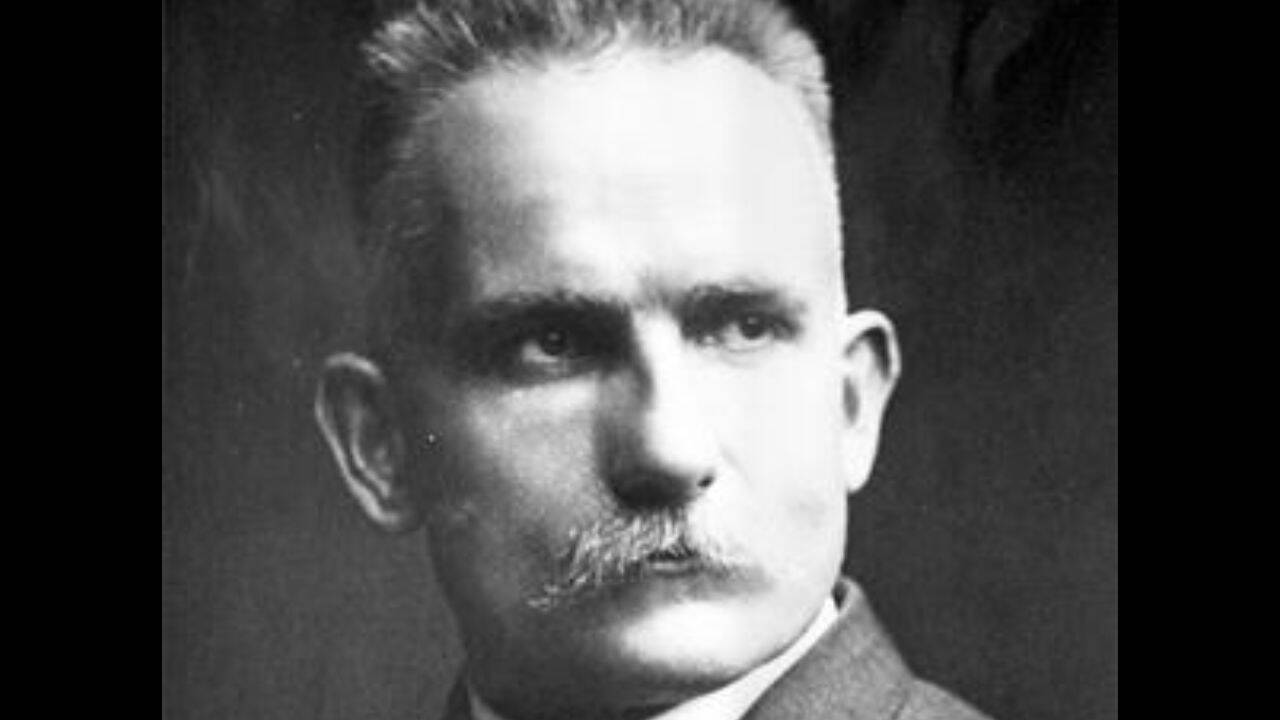
Imagine sitting across from a physician who tells you your heart is completely shot and you have mere months left to draw breath. Most people would spiral into absolute panic. Seattle shipbuilder Robert Moran didn't panic. He cashed out, packed his bags for a remote island, and accidentally lived another 38 years.
Medical diagnoses in the early twentieth century weren't always precise instruments. In 1905, Moran was a prominent industrialist, a former mayor of Seattle, and a man driving himself straight into an early grave through sheer overwork. When doctors warned him that his cardiac system was failing due to relentless stress, he took them seriously. Instead of fighting the verdict or looking for experimental cures, he made a radical choice. He sold his business holdings for millions, bought massive acreage on Orcas Island, and planned to spend his final months in peace. Read more on a similar topic: this related article.
The Cost of Building an Empire
You don't build a massive industrial footprint by taking long afternoon naps. Moran arrived in Seattle decades earlier with barely a dime in his pocket, working his way up through sheer grit. By the turn of the century, his shipyards were turning out massive vessels, including the USS Nebraska, Washington state's first battleship.
It was high-stakes, high-pressure manufacturing. Moran led the city through the harrowing aftermath of the Great Seattle Fire of 1889, pouring every ounce of his physical and mental energy into civic and commercial leadership. By 1905, his body simply revolted. His heart condition was real, but the primary culprit wasn't an incurable disease—it was absolute exhaustion. Additional reporting by Glamour delves into related perspectives on this issue.
Trading Concrete for Coastlines
When Moran relocated to Orcas Island in the San Juan archipelago, he didn't exactly sit quietly on a porch. His drive just shifted direction. He began acquiring thousands of acres of pristine forest, lakes, and saltwater shoreline.
On the shores of East Sound, he built Rosario, a sprawling 54-room mansion designed to mimic the sleek lines of a ship. He installed a massive Aeolian pipe organ and surrounded himself with nature. Influenced by his friend and famed naturalist John Muir, Moran viewed the natural landscape as a place for profound physical and spiritual recovery.
The irony is thick. He had moved to the island to die, but the absence of constant corporate stress allowed his body to heal. Months turned into years, and years turned into decades. The man the doctors gave up on outlived his own retirement party by nearly four decades, passing away peacefully in 1943 at the ripe old age of 86.
Leaving a Permanent Mark
Moran didn't just hoard his island paradise for himself. Having thoroughly beaten the medical timeline, he realized that the breathtaking landscape he owned belonged to something larger than a private estate.
Around 1910, he began gifting large tracts of his land to the state of Washington. That initial generosity formed the bedrock of what is now Moran State Park, encompassing thousands of acres of mountains, trails, and lakes for the public to enjoy.
We often romanticize the idea of slowing down, but very few people actually pull the trigger before a crisis forces their hand. Robert Moran's story stands as a blunt reminder that chronic stress will kill you faster than almost anything else. You don't necessarily need to own an island or sell a multimillion-dollar company to change your trajectory, but you do need to recognize when your current pace is entirely unsustainable. Take a hard look at your calendar today, strip away the non-essentials, and carve out space to breathe before your body makes that choice for you.