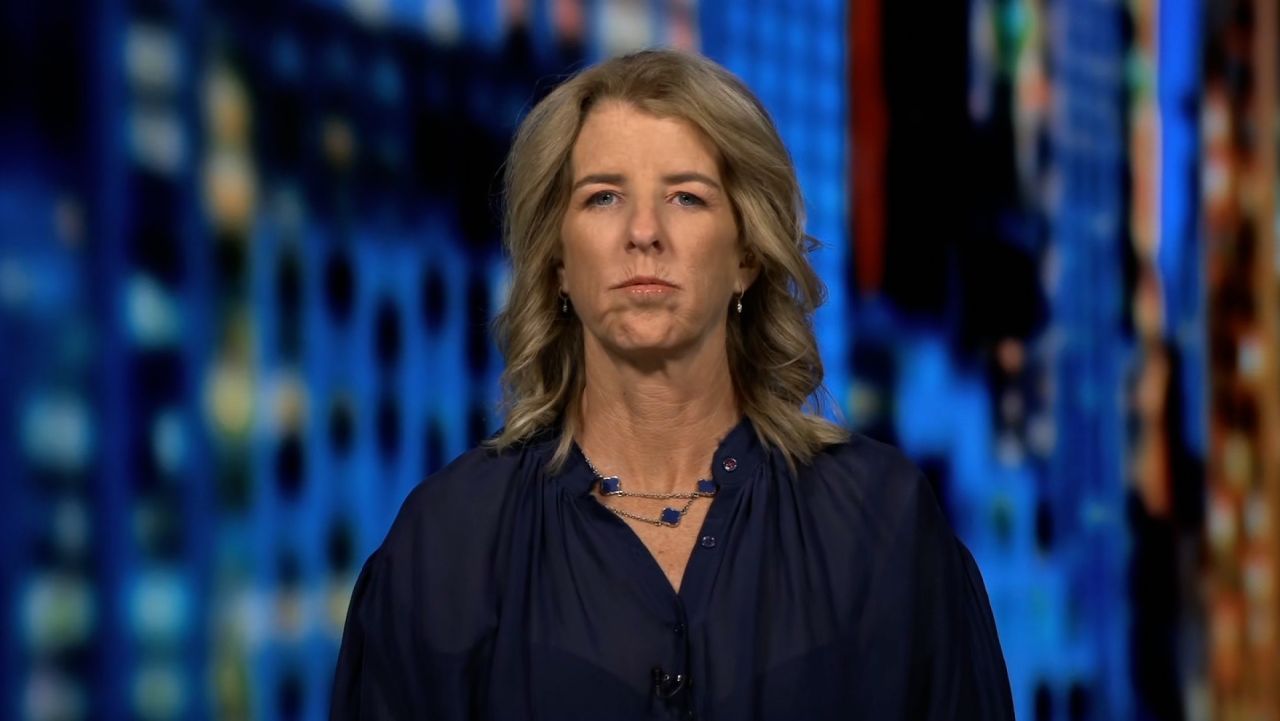
Planes are supposed to stay in the sky. When they start falling apart mid-flight or grounding themselves indefinitely, you stop looking at the airline tickets and start looking at the assembly line. That is where documentary filmmaker Rory Kennedy points her camera in her follow-up feature, Freefall: A Reckoning for Boeing.
If you watched her 2022 film Downfall: The Case Against Boeing, you probably thought the company hit rock bottom. You figured executives apologized, regulators stepped up, and safety became the top priority again. You were wrong. Boeing promised to clean up its act, but according to insiders, factory conditions and safety oversights actually got worse.
The Rot Began Long Before the 737 MAX Crashes
People love to blame recent management blunders for every disaster, but the structural rot goes back decades. When Boeing merged with McDonnell Douglas in the late 1990s, the corporate culture completely shifted. Engineers used to run the show. Bean counters took over next.
Suddenly, quarterly earnings mattered more than building a bulletproof aircraft. Manufacturing was pushed away from traditional union strongholds in Seattle down to non-union facilities, aiming to cut costs and maximize shareholder returns. Institutional memory evaporated. Quality control turned into a suggestion box.
When you prioritize speed and profit over structural integrity, cracks appear. Sometimes those cracks are metaphorical. Sometimes they are missing bolts on a door plug thousands of feet in the air.
The Real Cost of Blowing the Whistle
You cannot talk about modern aviation safety without talking about the human toll paid by those who tried to warn us. John Barnett spent years working for Boeing as a quality manager. He noticed serious defects in factory procedures, including titanium shavings falling into flight control wiring, and he tried to flag them.
Instead of fixing the bugs, management pushed back. Barnett spent years fighting a grueling deposition case against his former employer. His tragic death in early 2024 sent shockwaves through the industry and became a central focus of Kennedy's investigation.
When whistleblowers are treated as public enemies rather than vital safety assets, you create a culture of absolute fear. Employees keep their heads down, ignore dangerous flaws, and hope for the best. That is not how you run a multi-trillion-dollar transportation ecosystem.
Regulatory Capture Keeps the Machine Running
Why hasn't the Federal Aviation Administration shut them down? The answer is an uncomfortably cozy revolving door. Regulators often come from the aerospace industry, and former government officials frequently find comfortable landing spots at Boeing.
When the entity responsible for policing safety relies on the company it regulates for compliance sign-offs, oversight becomes a joke. Congressional hearings happen, politicians look angry for the cameras, and then everyone goes back to business as usual. The families of the 346 victims from the initial 737 MAX crashes are still fighting for real accountability, while corporate executives walk away with multi-million dollar golden parachutes.
What You Can Do As a Passenger
You do not have to sit back and accept corporate negligence every time you book a trip. Consumers hold actual economic leverage, even if it feels small.
- Check the aircraft type before booking: You can easily see what kind of plane operates your route during checkout. If you want to avoid newer variants with troubling safety histories, look for older, heavily tested models or alternative manufacturers like Airbus.
- Support independent journalism and documentaries: Watch projects like Freefall to understand the structural mechanics behind headline news instead of accepting PR statements from corporate spokespeople.
- Demand legislative action: Write to your representatives and demand strict criminal penalties for executives who knowingly ignore safety warnings.
Boeing is too big to fail, but it is clearly too broken to self-correct. Until real leaders step in to dismantle the perverse incentives prioritizing stock buybacks over human lives, the burden falls on us to stay informed, speak up, and vote with our wallets.
Freefall: A Reckoning for Boeing Official Trailer
This video provides an official look at Rory Kennedy's documentary, highlighting the whistleblower testimonies and corporate accountability issues facing Boeing.
http://googleusercontent.com/youtube_content/1