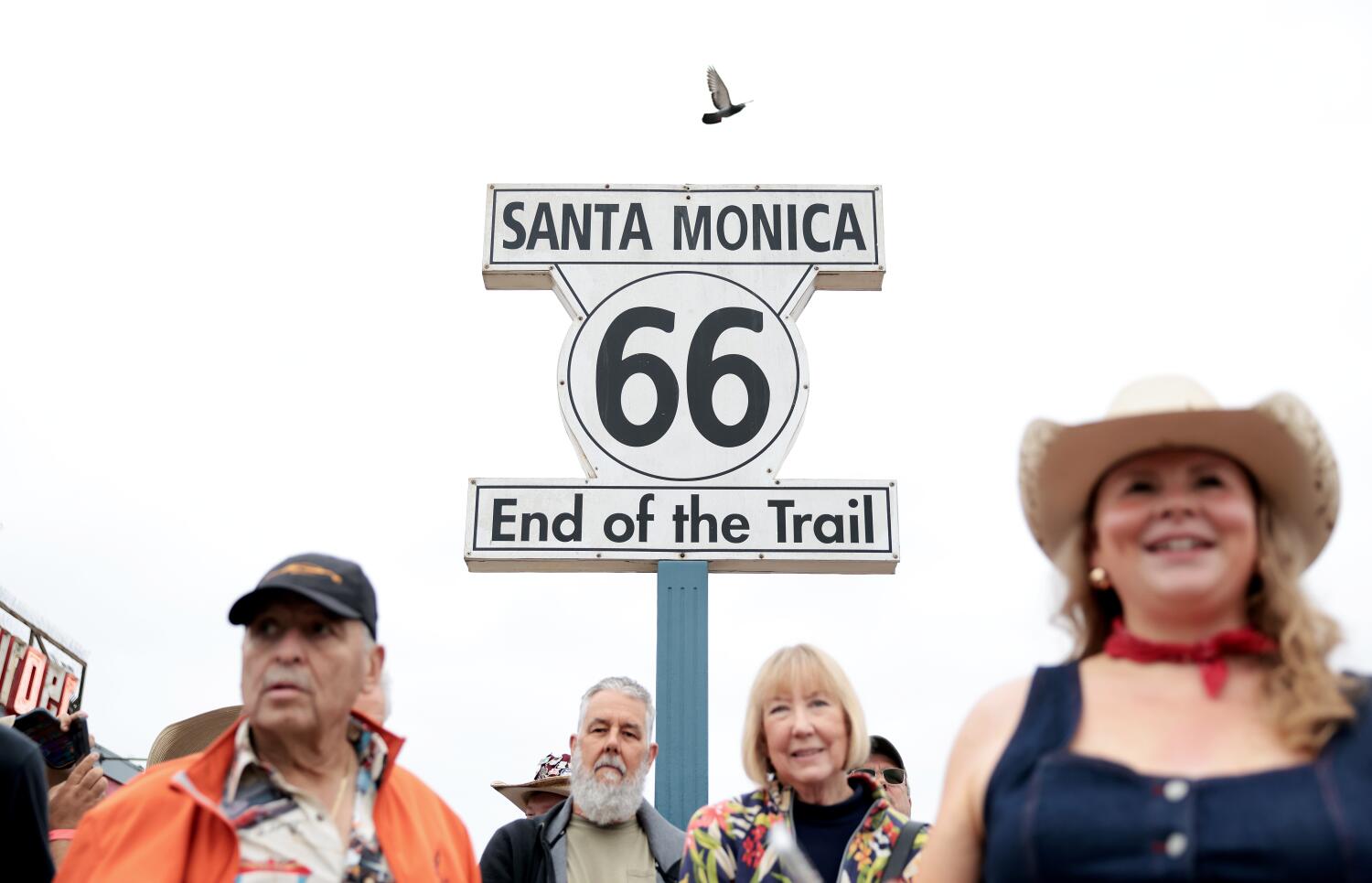
The Mother Road is officially hitting the century mark, and people are still obsessed with it. Right now, a massive cross-country caravan of classic cars, EVs, and motorcycles is pulling out of Santa Monica, California. They're heading east toward Chicago, tracking the original 2,448 miles of asphalt that shaped modern American culture.
Most people think Route 66 is just a dead highway full of rusted signs and creepy ghost towns. They're wrong. A century after its birth in 1926, this road is seeing a massive resurgence. It's not just about nostalgia anymore. It's about a growing rejection of sterile interstate travel and a desire to actually see the country you're driving through.
If you plan to drive it during this centennial year, you need to know what to expect. The road has changed. Large stretches are gone, swallowed by Interstate 40 or turned into dirt paths. But the parts that remain offer something you can't find anywhere else.
The Centenary Caravan from Santa Monica to Chicago
The caravan leaving the Santa Monica Pier isn't just a parade of pristine 1957 Chevys. It's a chaotic, beautiful mix of vintage hot rods, modern adventure bikes, and even Teslas. This mix tells you everything you need to know about Route 66 today. It adapts.
Starting at the Pacific Ocean, drivers immediately face the brutal traffic of the Los Angeles basin before climbing into the Mojave Desert. This initial stretch establishes the reality of the trip. Route 66 was never a theme park ride. It was a working highway, and it still requires real driving effort.
The caravan plans to hit major hubs like Flagstaff, Amarillo, and St. Louis before finishing in Illinois. Local businesses along the path are prepping for record crowds. For towns that were bypassed by the interstate system in the 1970s and 1980s, this anniversary is a economic lifeline.
The Real Route 66 Historic Preservation Struggle
Let's be completely honest about the state of the road. You can't just turn on GPS and follow Route 66 from end to end. It doesn't exist as a single continuous highway anymore. President Ronald Reagan signed the act decertifying Route 66 in 1985, and since then, preservation has been a local, fractured effort.
Groups like the National Route 66 Federation work to keep the pavement drivable. Still, chunks of the road disappear every year. Asphalt crumbles. Neon signs short out. Old motels get demolished by developers who don't care about history.
- The Decommissioned Bridges: Structures like the Chain of Rocks Bridge in St. Louis require constant, expensive maintenance.
- The Ghost Towns: Places like Texola, Oklahoma, or Glenrio on the Texas-New Mexico border are down to just a handful of residents fighting to keep their history alive.
- The Modern Dead Ends: In many spots, the historic road simply stops at a fence line, forcing you back onto I-40.
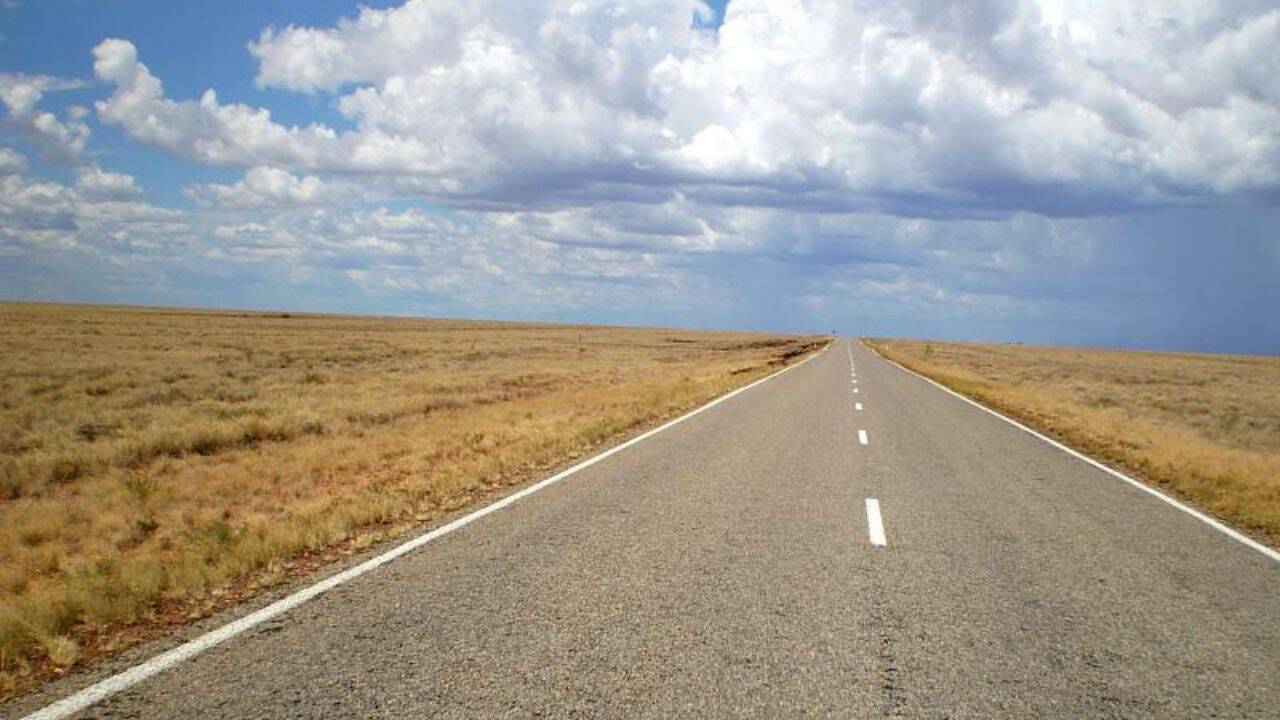
Driving this road requires patience. You'll get lost. You'll hit gravel. That's part of the appeal. If you want a predictable trip, stay on the interstate.
Navigating the Iconography Without Getting Scammed
Because it's the centennial year, tourist traps are everywhere. Every roadside diner claims Elvis slept there. Every gift shop sells the exact same plastic keychains made overseas. You have to look past the cheap commercialism to find the authentic spots.
The real magic is in the places that survived on grit alone. The Sahara Motel sign in Missouri, the Blue Swallow Motel in Tucumcari, New Mexico, and the Cozy Dog Drive-In in Springfield, Illinois. These aren't corporate recreations. They're the real deal, run by families who have been there for generations.
The Best Spots You Must See
Skip the massive souvenir warehouses and focus on the architectural landmarks. The Gemini Giant in Wilmington, Illinois, stands as a massive fiberglass relic of the Space Age. In Texas, the U-Drop Inn in Shamrock showcases stunning art deco architecture that looks like a cathedral for gasoline.
Don't just take photos of the signs. Talk to the people behind the counters. The folks running these remote gas stations and diners are the living history of the road. They know which dirt paths are safe to drive and where the speed traps are.
How to Prepare Your Vehicle for the Ultimate American Road Trip
Don't just jump into your daily driver and head out. Route 66 crosses some of the most isolated, climatically brutal terrain in North America. The Mojave Desert will test your cooling system. The high altitudes of New Mexico will test your engine's tune.
Check your tires before you leave the pier or the Chicago loop. You'll be driving on old concrete with rough seams that can easily shred a worn tire. Carry extra water. Cell service cuts out completely in parts of the Texas Panhandle and western Arizona.
Get a physical paper guidebook. Seriously. Digital maps often default to the fastest route, which means they'll constantly try to pull you off the historic path and back onto the interstate. The Route 66 EZ66 Guide for Travelers by Jerry McClanahan is the gold standard for keeping your wheels on the actual historic pavement.
Download offline maps for the entire route before you start. Pack a basic tool kit, jumper cables, and a tire inflator. If you breakdown in a place like Two Arrows, Arizona, help won't arrive quickly. Plan your fuel stops carefully through the desert stretches, as gas stations can be spaced fifty miles apart.
Start your engines early in the morning to beat the desert heat and the heavy tourist traffic around the major landmarks. Talk to local mechanics when you stop for oil changes. They know the unique quirks of the local roads better than any app ever will.