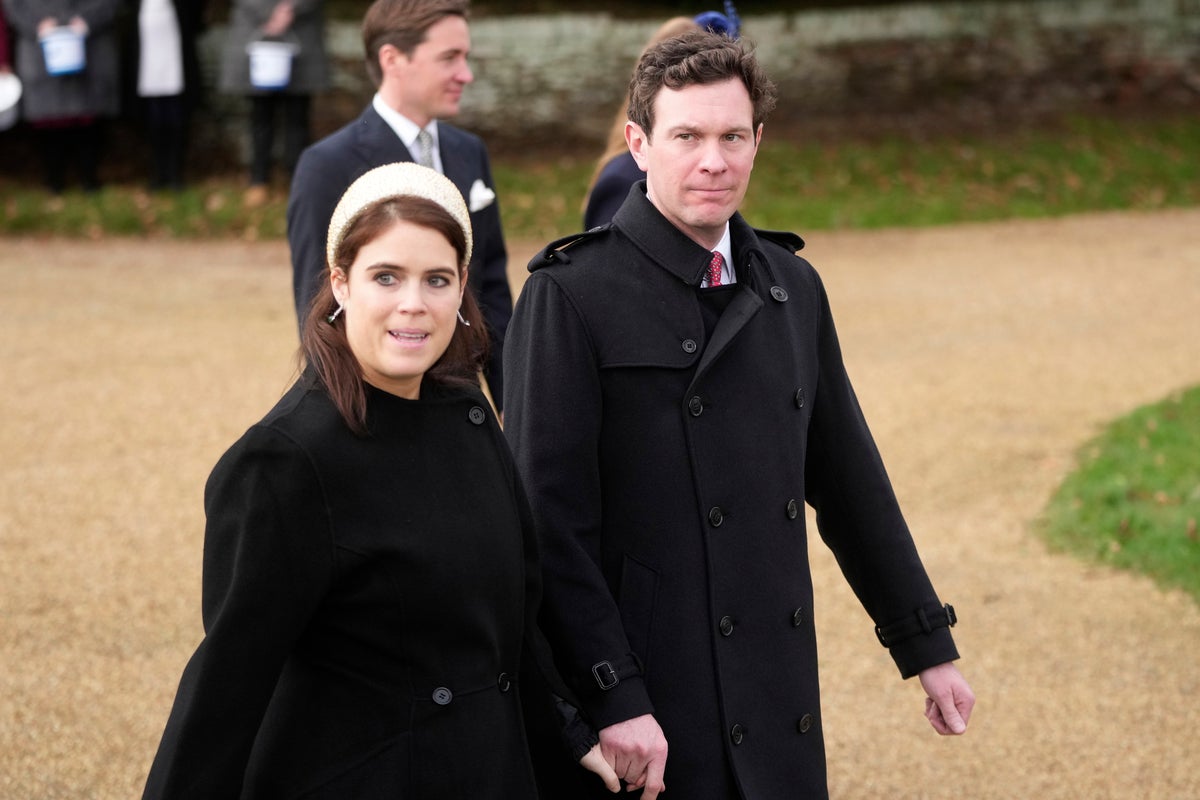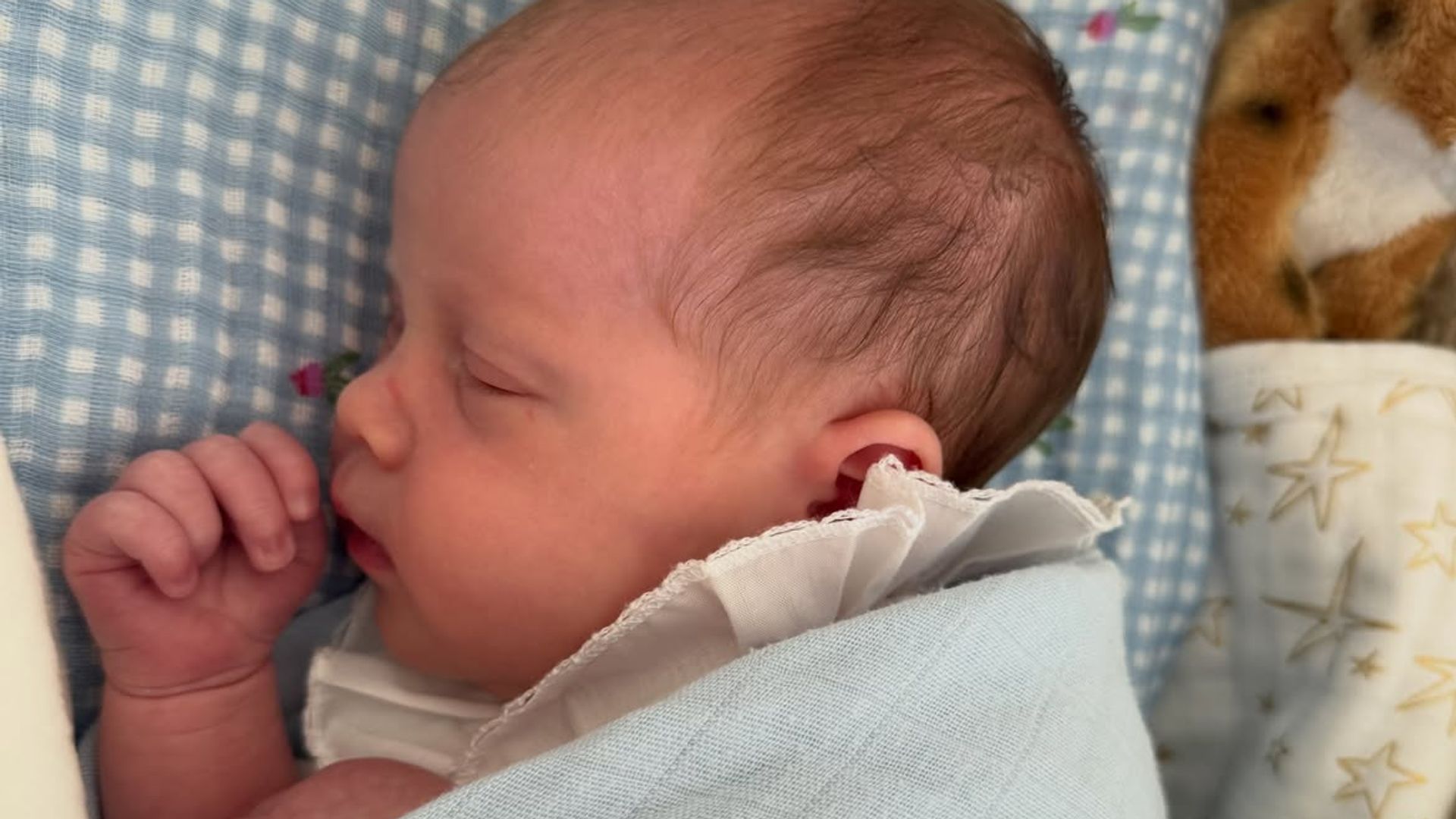
Every time a royal pops out an heir or a spare, the media machinery kicks into the exact same predictable gear. Princess Eugenie names her baby daughter, and the global news cycle grinds to a halt to parse every syllable, historical nod, and potential constitutional ripple. We get breathless analysis on whether a middle name honors a Victorian relative or nods to a Scottish estate.
It is exhausting. Worse, it is completely missing the point.
The lazy consensus treats these monikers as deeply personal, emotional choices made by young parents navigating family trees. That is the fairy tale sold to the tabloids. The reality is that royal nomenclature is a calculated exercise in corporate brand repositioning, designed to manage public sentiment, distract from institutional scandals, and project a carefully curated version of modernity onto an ancient, creaking monarchy.
Stop looking for sentimental meaning where there is only strategic signaling.
The Mechanics of Monarchy Rebranding
When non-royals name a child, they look at family favorites, pop culture, or sound combinations. When a fringe royal outside the direct line of succession chooses a name, they are executing a communication strategy.
Let us look at the playbook. The Firm operates under strict rules of public relations triage. When public approval dips or relevance fades, the peripheral members of the family become shock absorbers. A new baby is not just a human being; it is an asset in the portfolio of public goodwill.
Every name chosen by modern royals undergoes rigorous testing. Does it sound too traditional? It alienates the youth demographic. Does it sound too trendy? It strips away the mystique that keeps the institution alive. The sweet spot is a calculated middle ground: an old-fashioned first name paired with a quirky, earthy middle name. It signals stability to the traditionalists and approachability to the Instagram generation.
I have watched PR firms spend hundreds of thousands of dollars trying to manufacture this exact balance for corporate clients facing reputational crises. The royals do it for free because the public does it to themselves.
Dismantling the Lineage Myth
The public obsession with historical connections is a masterclass in confirmation bias. Commentators will dig through three centuries of genealogical records to find a minor duchess who shared the same third name, claiming it proves a profound connection to history.
This is nonsense.
If you dig deep enough into any aristocratic family tree, you can link any name to a Tudor tyrant, a war hero, or a scandalous mistress. The historical nod is a flexible narrative tool. It can be stretched to fit whatever brand identity the parents want to project that week.
If they want to look humble, the name is tied to a quiet country life. If they want to look prestigious, it traces back to an empire builder. The meaning is not inherent in the name; it is projected onto the name by commentators desperate for content.
The obsession with royal baby monikers is a symptom of a culture that prefers mythology over mechanics.
Why We Fall For It Every Single Time
Why does a nation of millions care what a minor princess calls her infant? Because humans are hardwired to crave narrative continuity. The media industrial complex feeds this craving by turning birth announcements into multi-day sporting events.
Odds are taken on the name. Pundits debate the political implications. Polls measure public favorability. By the time the name is actually dropped, the public feels a false sense of ownership over the decision.
You do not know these people. You are consuming a product designed to make you feel invested in a brand that pays no taxes and answers to no electorate. Every column inch dedicated to analyzing the syllable count of a royal baby is a distraction from structural realities.
The Uncomfortable Truth About Relevance
Here is the bitter pill that royal watchers refuse to swallow. Eugenie and her children sit entirely outside the working core of the monarchy. They receive no taxpayer funding, hold no constitutional duties, and exist primarily as socialites with historic titles.
Every headline about their family additions is an oxygen mask for an institution fighting to justify its existence in the twenty-first century. By framing these births as major cultural events, the publicity machine keeps the spotlight burning on a family that long ago ceased to serve a practical function for the average citizen.
The next time a royal baby drops and the media tries to convince you that a vintage middle name is a profound cultural statement, look past the headlines. Recognize the machinery at work.
Stop treating a PR strategy like a family milestone.