Her novels were not burned. Her words were not censored. Her books were pulled from British shelves because a commercial royalty pipeline collided with a statutory terrorism bar.
Look at the standard media framing around Sally Rooney and Palestine Action. One camp treats the October 2026 halt of Faber’s UK supply as a sudden descent into literary authoritarianism, as if Whitehall dispatched agents to confiscate Normal People from high-street bookshops. The opposing camp cheers from the sidelines, insisting a bestselling author simply got her comeuppance for backing a proscribed group. If you enjoyed this piece, you should read: this related article.
Both readings are lazy. Both miss the actual machinery turning underneath.
The British state did not ban Sally Rooney’s fiction. What happened was far more revealing—and far more awkward for everyone involved. A statutory terrorism framework designed around violent extremism collided with an author’s explicit pledge to channel book proceeds toward a group banned under the Terrorism Act 2000. When a publisher cannot lawfully transfer money to an author who has publicly committed to routing proceeds toward a proscribed organization without risking criminal liability, commercial distribution stalls. For another look on this event, see the recent coverage from The Guardian.
Call it censorship if you want a neat headline. In practice, it is a compliance bottleneck.
The Lazy Consensus Around "Banned Books"
Whenever a high-profile writer disappears from bookshop tables, commentators reach for the same vocabulary: chilling effect, book ban, thought crime. It makes for crisp outrage. It also blurs distinct legal mechanisms that operate very differently in practice.
A classic book ban targets the text itself—prohibiting printing, possession, distribution, or reading because the ideas or depictions inside the pages are deemed unlawful or offensive. That is not what happened to Rooney’s backlist or new titles in the UK. Nothing in Conversations with Friends or Intermezzo was ruled illegal to read or stock.
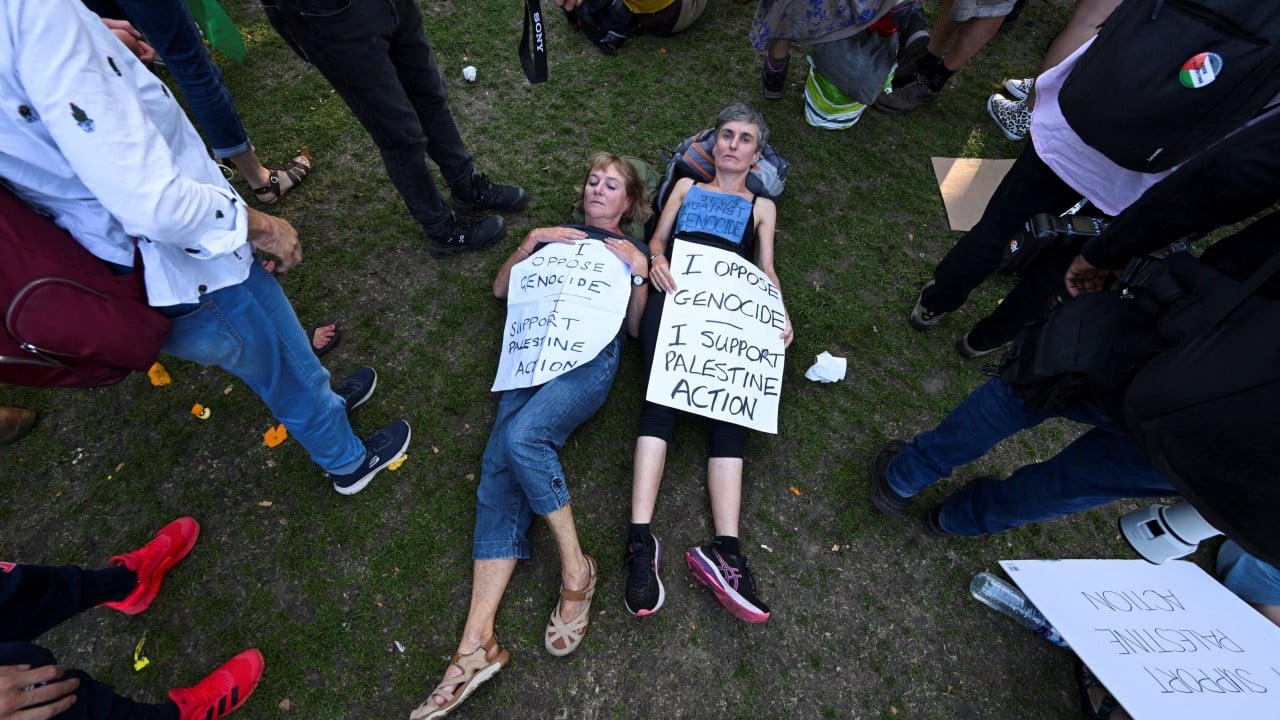
Instead, the friction sat squarely on financial flow and organizational proscription. Following the UK government’s decision to proscribe Palestine Action under the Terrorism Act 2000 in July 2025—after activists targeted defence sites and damaged aircraft at RAF Brize Norton, alongside broader allegations of serious property damage and violent offences linked to certain actions—supporting or funding the group became a criminal matter under British law. Rooney had already stated publicly in August 2025 that she intended to use proceeds from her work to support Palestine Action and direct action.
That single link—royalty stream meets proscription statute—turned a routine publishing relationship into a legal minefield for Faber.
I have spent years advising media businesses, rights holders, and commercial teams through regulatory compliance crises, and I have watched executives burn fortunes treating statutory risk as a PR problem. When counsel flags exposure under counter-terrorism funding provisions—where offences carry severe penalties, including up to 14 years imprisonment for certain funding conduct under Section 15 of the Terrorism Act—corporate compliance departments do not debate literary merit. They freeze payouts, halt supply chains, and pull back from grey zones.
Legal scholars such as Clive Walker, a leading authority on UK counter-terrorism legislation, have long pointed out how expansive statutory definitions of terrorism and associated offences can sweep in conduct far removed from classic mass-casualty plots. Once a group crosses that proscription threshold, the surrounding legal ecosystem tightens around anyone or anything financially entangled with it.
| Dimension | Lazy Media Framing | What Actually Happened |
|---|---|---|
| Core Mechanism | State censorship of Rooney’s novels | Compliance standstill over royalty flows and proscription law |
| Target of Action | Literary expression and fictional works | Financial support and association with a proscribed group |
| Primary Decider | Government censors seizing books | Publisher and author halting UK supply amid legal exposure |
| Key Blind Spot | Treating every market exit as a literary ban | Ignoring how statutory overbreadth turns commerce into a trap |
Why Counter-Terrorism Law Breaks Normal Commerce
Here is the part most commentary skims over: counter-terrorism statutes are built for deterrence and preventative enforcement, not tidy commercial nuance.
When Parliament proscribes an organization, the law does not pause to separate a writer’s novels from her political pledges. Nor does a publisher enjoy a special exemption because a title sells well in London bookshops. Even when courts contest aspects of a ban—as seen in the back-and-forth litigation over Palestine Action’s proscription—the practical reality on the ground for commercial intermediaries is risk aversion.
Imagine a scenario where a mid-sized independent publisher in London sells 80,000 copies of a bestselling novel over a year. The finance director looks at two columns: routine quarterly royalty accounting on one side, and potential criminal exposure under counter-terrorism funding rules on the other. No general counsel signs off on "probably fine" when the downside is criminal prosecution.
That dynamic exposes a deeper flaw in how the UK uses proscription powers. Critics of overbroad terrorism laws—including civil liberties groups and legal commentators—have warned for years that stretching "terrorism" to cover disruptive direct action and property sabotage creates severe collateral distortion. Once every form of backing is treated through a national-security lens, ordinary economic activity gets caught in the gears.
At the same time, let’s be candid about the other side of the ledger. Rooney did not stumble into this by accident. She made an explicit political commitment to tie her platform and proceeds to a group operating in direct confrontation with British defence infrastructure and law enforcement. You cannot simultaneously claim radical political defiance through financial backing and expect commercial distribution channels to remain friction-free under a strict proscription regime.
The Questions People Keep Asking Wrong
"Is the UK banning Sally Rooney’s books?"
No, and calling it a straight book ban misleads readers about how power operates here. A straight ban is overt; you can point to the state decree forbidding a title. This situation is more unsettling because it works through indirect legal choke points. Rather than banning a novel, the legal architecture makes paying royalties to an author pledged to fund a proscribed group untenable, prompting withdrawal of UK supply.
"Does pulling the books prove the ban went too far—or prove the law works?"
Ask a sharper question: Is a counter-terrorism statute meant to police literary royalties, or to stop violent attacks?
If you believe any group engaging in serious property damage or unlawful raids on military sites belongs under the Terrorism Act, then strict enforcement of funding restrictions follows logically from the premise. If, instead, you believe treating protest sabotage and tangential financial pledges as terrorism inflates the category and chills lawful political speech, then a bestselling novelist losing UK distribution is a textbook symptom of statutory overreach.
Neither side settles that argument by yelling "free speech" or "law and order" past each other. The real test is proportionality: whether the legal tools used fit the threat, or whether they turn broad swathes of public life into high-risk territory.
"What happens to readers and independent bookshops now?"
Booksellers face immediate supply headaches and awkward commercial choices, while readers willing to source copies elsewhere or read existing stock are hardly cut off from her work. More importantly, open letters from writers and public figures urging the government to rethink the ban show that the cultural clash is widening well past one author’s catalogue.
Where My Contrarian Take Can Go Wrong
Any sharp counter-reading carries risks, and I am not going to pretend otherwise.
First, focusing on legal mechanics and compliance bottlenecks can sound detached from the human and political stakes on the street—whether you view those stakes through the lens of anti-war protest, defence security, or free expression. A neat structural explanation should never erase why people care fiercely about the underlying conflict and tactics.
Second, downplaying "censorship" because no one burned a manuscript can understate the chilling effect on artists and commentators. When writers cancel UK appearances out of fear of arrest or watch their books vanish from local supply over political solidarity, the practical chill on public debate is real, even if the formal mechanism is financial compliance rather than a literary index.
What Actually Works When Navigating High-Risk Speech and Commerce
If you run a publishing house, media brand, platform, or public voice operating near contested political territory, sentimental outrage and wishful thinking are useless. Three practical rules hold up under pressure:
- Separate editorial rights from financial routing early. If an author, creator, or partner intends to funnel earnings to contentious or legally restricted causes, clarify payment structures and compliance boundaries before contracts lock in—not after a proscription order lands.
- Audit statutory exposure, not just PR optics. Reputation teams look at headlines; legal teams look at statutes. A move that looks bold on social media can create severe liability under terrorism, sanctions, or financial crime rules.
- Refuse binary talking points. Explain the exact mechanism—proscription, royalty transfer, compliance freeze, or speech chill—so your audience understands how the pressure actually works instead of picking a pre-packaged slogan.
Stop arguing over whether Sally Rooney is a martyr or a villain; look at the law that turned a book deal into a criminal hazard.