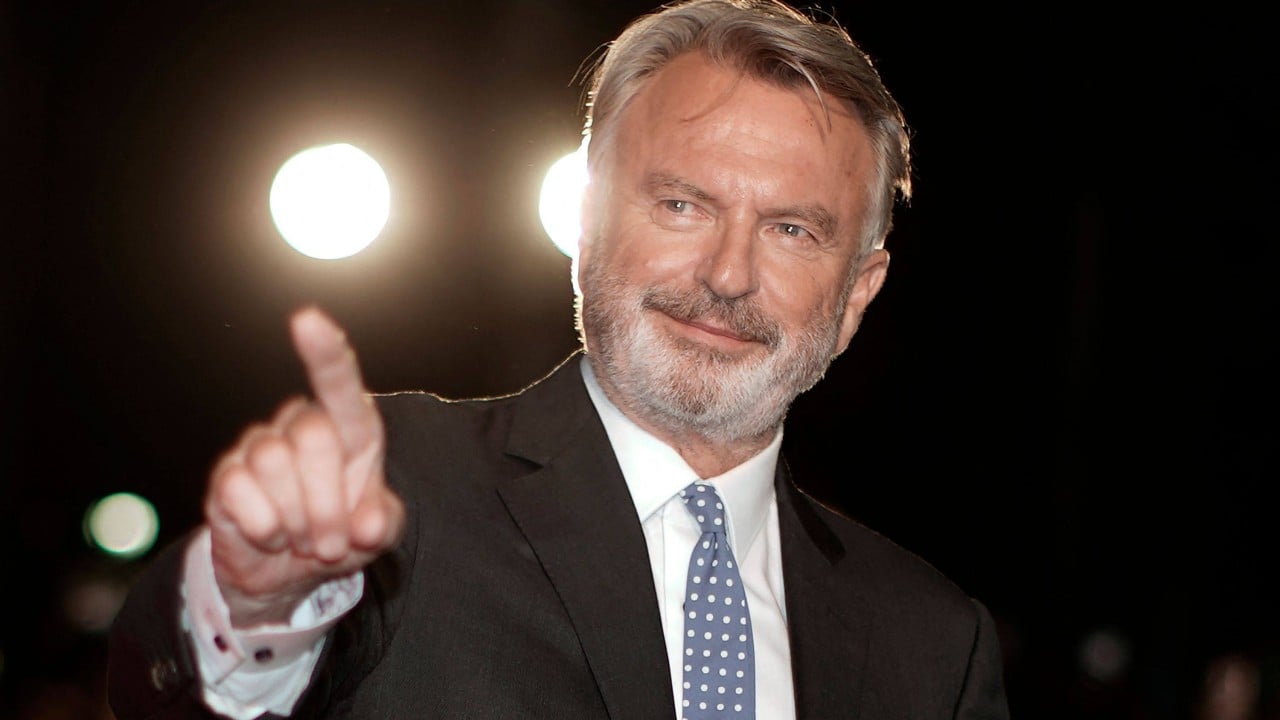
Sam Neill didn't look like your typical Hollywood hero. He lacked the explosive muscles of the eighties action stars and the flashy charisma of the nineties heartthrobs. Yet, the screen legend, who passed away suddenly on July 13, 2026, at the age of 78, occupied a space in cinema that nobody else could touch.
His family confirmed that he died peacefully in Sydney, Australia, surrounded by loved ones. Though he spent years fighting stage-three angioimmunoblastic T-cell lymphoma, a rare blood cancer, his family noted he actually died cancer-free after a successful clinical trial. His passing was sudden, leaving a massive void in global cinema.
Most people know him as Dr. Alan Grant, the grumbling, kid-hating paleontologist in Jurassic Park who ultimately risks his life to save two children from velociraptors. It's the role that made him an immortal fixture for a generation of moviegoers. But reducing him to just the "dinosaur guy" misses the point of one of the most quietly brilliant careers in acting history.
The Chameleon of the Southern Hemisphere
Neill possessed a unique ability to play both the ultimate everyman and the deeply unhinged villain with equal believability. He wasn't hunting for the spotlight; he just wanted to do the work.
Born Nigel John Dermot Neill in Northern Ireland in 1947 to a New Zealand father and an English mother, his family relocated to New Zealand when he was seven. He picked up the nickname "Sam" at school because he thought his given name sounded too delicate. He also wrestled with a severe childhood stutter. Acting became his therapy. When he stepped onto a stage, the stutter vanished.
He didn't take the traditional path to Hollywood. He spent years with the New Zealand National Film Unit, directing and editing documentaries. That behind-the-camera grounding gave him a sharp understanding of film language. When he finally transitioned to full-time acting, he broke out in the dystopian thriller Sleeping Dogs (1977) and Gillian Armstrong’s period drama My Brilliant Career (1979).
Suddenly, international directors noticed this laconic, intensely focused actor from down under.
Splitting the Difference Between blockbusters and Arthouse Cinema
The year 1993 was the absolute peak of Neill's cultural ubiquity, showcasing his astonishing range in a way few actors have ever matched.
First came Jurassic Park. Steven Spielberg needed an anchor for his massive CGI spectacle. He didn't want a traditional action star; he wanted a skeptic, a real scientist whose awe would make the audience believe the dinosaurs were real. When Neill rips off his sunglasses and drops to his knees looking at a Brachiosaurus, he isn't acting for the trailer. He is channeling pure human wonder. He gave the film its soul.
That exact same year, he starred in Jane Campion’s The Piano. He played Alisdair Stewart, the rigid, emotionally repressed frontier husband who buys a bride and ends up locked in a devastating psychological war. He was terrifying, pathetic, and deeply human all at once. To jump from a family-friendly summer blockbuster to a dark, erotic arthouse masterpiece in a matter of months is a feat very few performers could pull off.
Look at his other major roles to see just how wild his filmography gets:
- The Antichrist in Omen III: The Final Conflict (1981)
- A suspicious husband navigating a terrifying sea ordeal in Dead Calm (1989)
- A high-ranking Soviet officer in The Hunt for Red October (1990)
- A possessed astronaut who gouges his own eyes out in the cult sci-fi horror Event Horizon (1997)
- The brutal, corrupt Inspector Chester Campbell in the hit series Peaky Blinders (2013)
He crossed genres without a hint of friction. He could do high art, big budget sci-fi, historical television, and quirky indie comedies like Taika Waititi’s Hunt for the Wilderpeople (2016).
Living With Dignity and Wine
Off-screen, Neill lived a life that felt completely detached from the superficial gloss of Hollywood. He founded Two Paddocks in 1993, a boutique organic vineyard in Central Otago, New Zealand. He loved his grapes, his farm animals, and the quiet life away from the red carpets. He frequently posted videos talking to his pet pigs and chickens, many of whom he named after his famous co-stars like Laura Dern and Michael Neeson.
When he was diagnosed with blood cancer in 2022 while promoting Jurassic World Dominion, he didn't retreat into self-pity. He wrote a memoir, Did I Ever Tell You This?, using the writing process as a way to keep himself busy during grueling chemotherapy sessions.
When asked about his mortality during an interview with the Australian Broadcasting Corporation in 2023, he shrugged it off with his typical dry wit. He said he wasn't afraid of dying, but he'd find it annoying because he still had too much stuff he wanted to do.
Revisit His Work Beyond the Dinosaurs
The best way to honor a performer like Neill isn't just to rewatch the blockbusters everyone knows by heart. It’s to look at the corners of his career that showed his true depth.
Start by queueing up Dead Calm to watch him bounce off a young Nicole Kidman in a masterclass of tension. Track down Cinema of Unease, the 1995 documentary he made about the dark, brilliant underbelly of New Zealand film history. Then watch him in Hunt for the Wilderpeople to see how he could play a grumpy, illiterate bushman with heartbreaking tenderness.
He was an actor who elevated every single frame he occupied, whether he was fleeing a prehistoric monster or simply staring silently across a New Zealand landscape. He didn't demand your attention with loud histrionics; he earned it by being the most authentic person in the room.


.jpg?width=1200&auto=webp&trim=0%2C100%2C0%2C100)