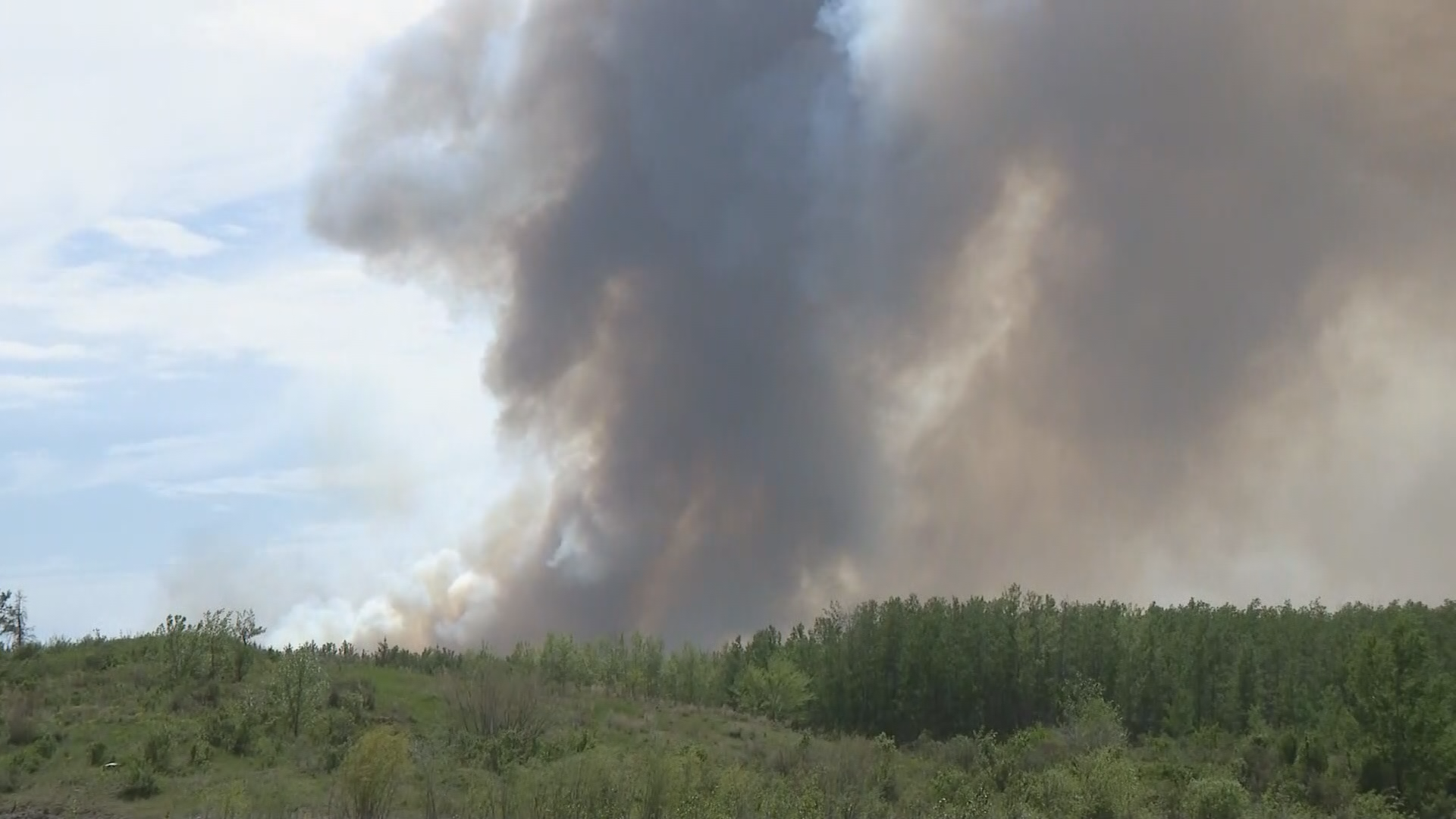
Lightning just turned a quiet Saskatchewan afternoon into a race against time. An out-of-control wildfire is currently tearing through the brush near local settlements, and the community is now on a knife-edge under an evacuation alert. This isn't just a random bit of bad luck. It's a reminder that the northern forests are becoming a tinderbox faster than we’re prepared to handle. If you’re living in or near the boreal forest, you don't have the luxury of waiting for the smoke to hit your backyard before you decide to move.
The fire started after a series of aggressive lightning strikes hit dry fuel. Now, emergency crews are scrambling. When an evacuation alert is issued, it means you need to be ready to leave at a moment’s notice. It’s the warning shot before the mandatory order.
The Reality of Lightning Strikes in the Boreal Forest
Most people think wildfires are caused by a discarded cigarette or a campfire that wasn't put out properly. While humans are definitely responsible for a huge chunk of starts, lightning is the real monster in Northern Saskatchewan. It’s unpredictable. It hits deep in the bush where there are no roads. By the time a spotter plane sees the smoke, the fire has often already found its legs.
Lightning-caused fires often burn hotter and faster because they happen during peak heat cycles. When a storm rolls through without much rain—what we call "dry lightning"—the strikes hit ground that's already parched. The Saskatchewan Public Safety Agency (SPSA) tracks these strikes with high-precision sensors, but tech only goes so far when the wind picks up.
Wind is the enemy here. It breathes life into the embers and pushes the flame front toward homes. In this specific case, the fire is "out of control," which is technical shorthand for saying the fire isn't responding to suppression efforts. Water bombers can drop all the retardant they want, but if the wind is gusting, the fire just jumps the lines.
Why the Evacuation Alert Matters Right Now
An alert is different from an order. Don't confuse the two. If you're under an alert, the government is basically telling you to get your life in a suitcase. The community currently affected is facing a situation where shifting winds could change everything in twenty minutes.
I’ve seen people stay behind because they think they can defend their property with a garden hose. That’s a mistake that costs lives. Professional fire crews have massive equipment and even they have to pull back when a crown fire starts jumping from treetop to treetop. You aren't going to stop a wall of flame with a 5/8-inch rubber hose.
Current SPSA data shows that the fire load this season is trending high. We’re seeing dry pockets across the province that haven't had significant moisture since the snow melted. This creates a layer of "duff"—decaying needles and leaves—that holds heat like a furnace. Even if the surface fire looks like it's dying down, the ground stays hot. It can flare back up days later.
How to Read the Fire Situation Maps
If you're looking at the provincial fire maps, don't just look at the red dots. Look at the smoke plumes. Smoke can travel hundreds of kilometers and cause health issues long before the flames are visible. For the community currently on alert, the air quality is likely hitting dangerous levels.
Fine particulate matter, or PM2.5, is the real killer in wildfire smoke. It’s small enough to get deep into your lungs and enter your bloodstream. If you have asthma or heart conditions, you should have been gone the moment the alert was issued.
What an Out of Control Status Actually Means
The SPSA uses specific categories to describe these fires.
- Not Contained: The fire is growing and crews can't stop the spread.
- Ongoing Assessment: They're watching it, but maybe not actively fighting it because it's too dangerous or remote.
- Being Held: Crews expect the fire to stay within certain boundaries given current weather.
- Under Control: The fire isn't expected to grow anymore.
Right now, "out of control" means the fire is dictating the terms of the fight. The crews are in a reactive mode, trying to protect critical infrastructure and homes rather than trying to put the whole thing out. It’s about triage.
Preparing Your Property for the Worst
If you aren't in the immediate evacuation zone but you live in Saskatchewan's forested regions, you need to be proactive. FireSmart principles aren't just bureaucracy; they actually work.
Move your woodpiles. I see so many people stacking seasoned birch right against the vinyl siding of their house. That’s basically a fuse. Move it at least 10 meters away. Clear the gutters. Dried pine needles in a gutter are the perfect place for a wind-borne ember to land and start a structure fire.
If the alert turns into an order, you won't have time to do this. You’ll be too busy grabbing your dog and your legal papers. Do it today while the air is still clear.
The Logistics of a Community Displacement
When a community gets pushed out, the logistics are a nightmare. You’re looking at hundreds, sometimes thousands, of people heading toward urban centers like Prince Albert or Saskatoon. Hotels fill up. Evacuation centers get crowded.
Check your insurance policy now. Most standard homeowner policies in Saskatchewan cover "mass evacuation" expenses. This means the insurance company might pay for your hotel and food while you’re displaced by a wildfire. But you need to keep every single receipt.
The SPSA and local leadership are coordinating shelters, but these are often gym floors and cots. If you have friends or family outside the alert zone, call them now. Arrange a place to stay so you aren't reliant on emergency provincial housing which is already stretched thin.
What to Do in the Next Hour
If you're in the affected area, stop reading and start moving.
- Pack a "go-bag" with three days of clothes and all medications.
- Charge every power bank you own.
- Fill your vehicle’s gas tank. Power outages often follow wildfires, and gas pumps don't work without electricity.
- Locate your pets and have their crates ready.
- Take photos of every room in your house for insurance purposes.
The situation in Saskatchewan is fluid. Lightning started this, but the weather over the next 48 hours will decide how it ends. Watch the official SPSA fire dashboard and listen to local radio. Don't rely on social media rumors. Get the facts from the people actually wearing the yellow Nomex suits on the front lines.