Saskatchewan farmers don't need a perfect trade deal to feed India. They just need Ottawa to stay out of the way.
The Western Canada-India Leaders Summit in Regina made one thing clear. A massive federal trade pact is finally within reach. Christopher Cooter, Canada’s high commissioner to India, told a packed room that he has zero doubt the Comprehensive Economic Partnership Agreement (CEPA) will wrap up this year. This is a massive shift from where things stood just a couple of years ago when geopolitical fights froze everything.
But there is a catch. India still holds a heavy 30% tariff on yellow peas and a 10% duty on lentils.
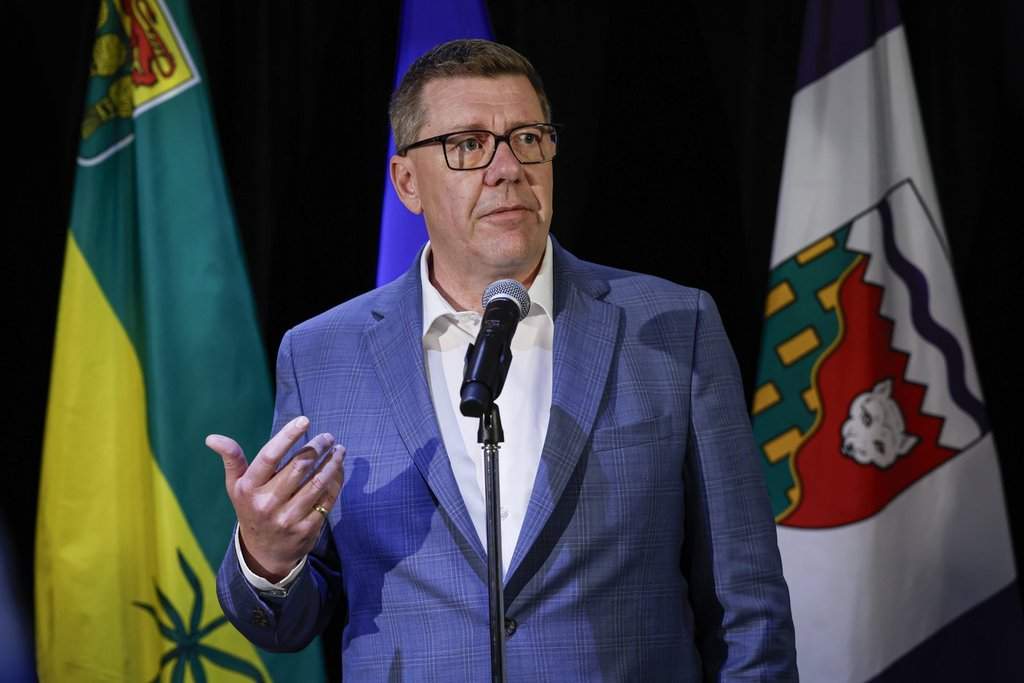
Premier Scott Moe isn't panicking. He knows how the agricultural export game works. If a new trade deal clears the path for uranium and manufacturing but leaves pulse tariffs intact, it is not a showstopper for Saskatchewan. The global demand for what this province grows is simply too high.
The Reality of Pulse Tariffs and Global Demand
Saskatchewan grows more than half of the pulses imported by India. When you control that much of a critical food supply, import duties don't kill your business. They just change the math.
India slapped those duties on Canadian yellow peas and lentils to protect local farmers and manage domestic price swings. It is a political strategy New Delhi uses constantly.
Moe has spent years sitting across from various Indian ministers discussing these exact trade barriers. His takeaway is practical. Tariffs go up, and tariffs come down. What remains constant is that India needs to eat.
The province has survived these policy shifts before. When India shuts the door or raises duties, local exporters find temporary buyers in other parts of Asia or the Middle East. Then, the moment domestic stockpiles in India run low, New Delhi opens the taps again. Saskatchewan’s relationship with Indian buyers is generational, built over decades of reliable supply. A fluctuating tariff can't break that foundation.
Why This Trade Agreement is Different
For more than fifteen years, talks of a free trade deal between Ottawa and New Delhi went nowhere. The low point came in 2023 when severe security disputes completely halted diplomatic progress. High Commissioner Cooter openly called security concerns the grizzly bear in the room during the Regina summit.
The turnaround happened because of a deliberate political reset. Prime Minister Mark Carney took office with a clear mission to repair relations with New Delhi. His diplomatic push earlier this year, which included a high-profile trade mission to Mumbai and New Delhi alongside Premier Moe, completely changed the dynamic.
The two countries now have a public goal to double bilateral trade to $70 billion by 2030.
Security chiefs from both sides are actually talking now, building the institutional trust required to keep commerce moving. When national governments focus on practical economic ties instead of public grandstanding, provinces like Saskatchewan win.
Uranium and Tech are Moving Beyond Agriculture
Saskatchewan is known for agriculture, but its economic future with India involves much more than lentils. The province is securing massive wins in energy and technical research that don't depend on agricultural trade negotiations.
Consider Cameco’s massive $2.6 billion deal to supply uranium to fuel India’s growing nuclear energy sector. India needs clean energy to power its massive industrial expansion, and Saskatchewan has the richest uranium deposits on earth. This is a long-term economic anchor that protects the provincial economy from bad crop years or sudden agricultural trade wars.
At the same time, institutional ties are deepening. The University of Saskatchewan is partnering with India’s National Institute of Food Technology Entrepreneurship and Management to create the Canada-India Pulse Protein Centre of Excellence.
Instead of just shipping raw yellow peas in bulk, Saskatchewan is investing in the tech to process those crops into high-value protein ingredients right inside India. That creates an economic bond that a simple import tariff cannot disrupt.
The Real Work for Saskatchewan Businesses
If you are running a business in Saskatchewan, you can't just sit around waiting for federal politicians to sign a treaty. Trade agreements provide a framework, but local execution determines who actually makes money.
Diversifying your customer base remains the smartest defense against international political drama. If you export agri-food products, keep your channels open in secondary markets across Southeast Asia so a sudden policy shift in New Delhi won’t break your cash flow.
You also need to look beyond the farm gate. India’s massive middle class is buying manufacturing equipment, clean energy solutions, and educational services. The Canada-India Business Council is pushing for local companies to stop viewing India as a short-term buyer and start treating it as a twenty-year strategic play.
Closer to home, keep an eye on continental trade. Premier Moe just launched a provincial advisory council to prepare for the upcoming review of the Canada-United States-Mexico Agreement (CUSMA) on July 1. Saskatchewan relies heavily on free trade across the U.S. border, and managing Western risk means keeping both your southern and eastern trade pipelines healthy. Protect your American business while building your Indian partnerships.