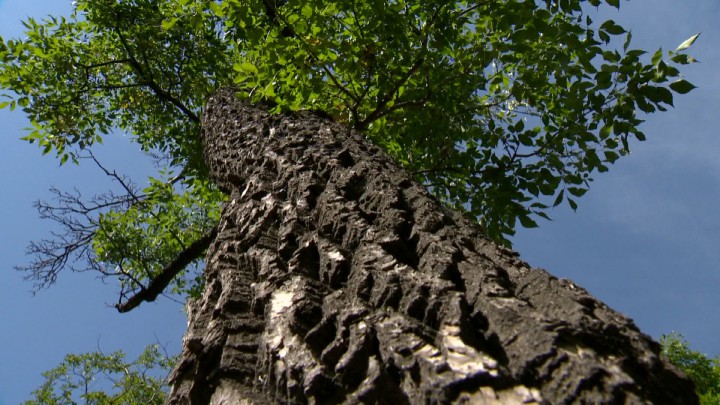
Losing a mature tree on your street changes the entire feel of a neighbourhood. When that tree is part of an iconic urban canopy that has defined a streetscape for decades, the loss hits even harder. Right now, Saskatoon is facing a harsh reality check as municipal crews rush to cut down infected trees.
With 22 confirmed cases of Dutch elm disease (DED) hitting the city this year, the threat to our urban forest is real, aggressive, and escalating. The situation reached a tipping point with a cluster of six infected elms on the 200 block of Carleton Drive in College Park, alongside another three trees on Avenue C North in Caswell Hill. You might also find this similar coverage insightful: Why The Viral Houston Police Uber Chase Proves Our Entire Emergency Response System Is Broken.
If you live in the area, you're probably wondering what this means for your property and the health of your local street trees. Let's look at why these aggressive removals are happening and what every homeowner needs to do right now to keep the city's remaining elms alive.
The Brutal Mechanics of Dutch Elm Disease
Dutch elm disease isn't just a minor blight. It's a fast-moving, lethal fungal infection that shuts down an elm tree's vascular system. Once the fungus gets inside, it blocks the tree from moving water and nutrients upward. As highlighted in recent reports by Reuters, the results are widespread.
The tree basically starves and dehydrates from the inside out. Leaves start to yellow, curl, and turn brown mid-summer, giving off a deceptive look that people often mistake for early autumn changes. By the time you spot those drooping, discoloured branches, the infection has usually taken a massive hold.
The primary culprits behind the spread are native and smaller European elm bark beetles. These tiny insects love breeding in stressed, dying, or freshly cut elm wood. When adult beetles emerge from infected wood, they carry sticky fungal spores directly onto the wounds or tender twigs of healthy, living trees.
Why Targeted Tree Removals Are Non-Negotiable
Seeing heavy machinery roll onto a quiet residential street to take down a row of massive, healthy-looking elms feels heartbreaking. Parks director Thai Hoang noted that losing six mature trees on a single block is a stark reminder of the pressure facing Saskatoon neighbourhoods.
However, tree removal is basically a firebreak. When you have a cluster of diseased trees like the ones on Carleton Drive, leaving them standing turns those trunks into a breeding factory for thousands of hungry beetles. Those beetles will fly to adjacent yards, infecting healthy trees and setting off a chain reaction across the entire neighbourhood.
Taking down infected trees immediately stops the transmission cycle. City crews aren't just cutting down the visible casualties either; they are actively surveying a one-kilometer radius around each confirmed case, inspecting yards for hidden hazards like illegal firewood piles.
The Hidden Danger Sitting in Your Backyard
Most people don't realize how strict the rules are regarding elm wood until they get hit with an infraction notice. In Saskatoon, storing, transporting, selling, or burning elm wood is completely illegal.
Too many well-meaning homeowners think they can chop up a fallen branch or store logs for backyard fires. That firewood acts as a magnet for elm bark beetles, effectively turning a backyard woodpile into a biohazard zone.
If you have elm branches or debris on your property, you need to get rid of them immediately. The City of Saskatoon allows residents and contractors to drop off elm wood at the City Landfill completely free of charge for loads up to 1,000 kilograms. Do not toss elm branches into your green bin or take them to the local compost depot, as those pathways don't manage the disease safely.
Simple Steps to Protect Your Elms
Managing this crisis requires individual responsibility from homeowners, not just municipal intervention. You can actively safeguard your property and community by following a few strict guidelines:
- Respect the Pruning Ban: The provincial pruning ban runs every year from April 1 to August 31. Pruning during these warm months attracts beetles searching for fresh sap. Save your trimming chores for the late fall or winter when the insects are dormant.
- Sanitize Your Gear: If you hire professional arborists, make sure they sanitize their saws and tools between properties. If you're doing minor maintenance outside the restricted window, sterilize your own equipment thoroughly.
- Water During Dry Spells: A stressed tree is an easy target. Give your elms deep, thorough soakings during prolonged dry spells to keep their natural defense systems strong.
- Report Suspected Symptoms: If you notice premature yellowing, wilting, or curling leaves on an elm tree, don't wait. Use the online inspection request form on the City of Saskatoon website or call customer care to report it.
Protecting the urban canopy takes collective discipline. Check your yard, respect the firewood laws, and report warning signs before a localized infection turns into a city-wide crisis.