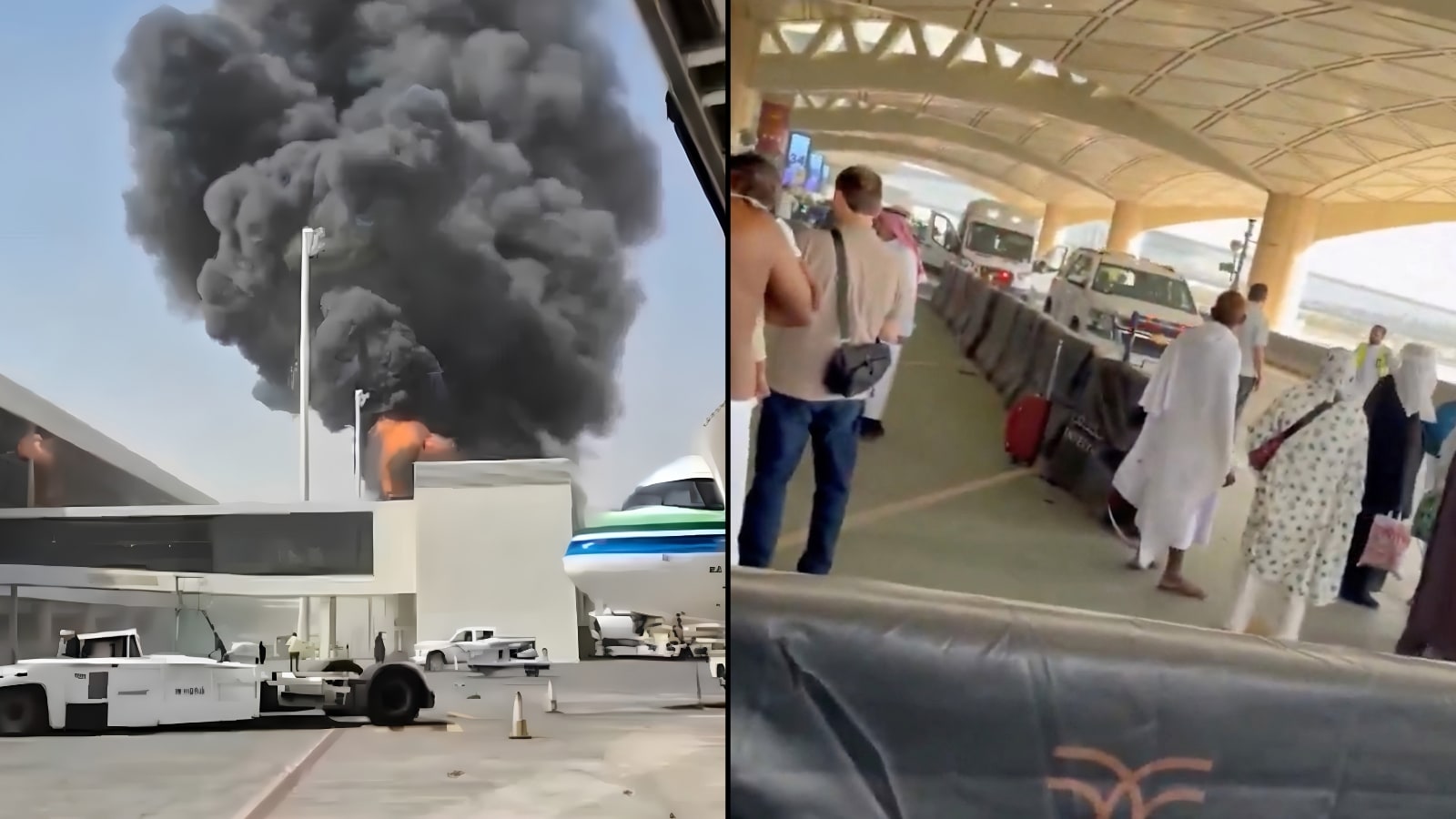
Imagine standing in a crowded airport terminal, scrolling through your phone, completely unaware that a ballistic missile is seconds away from hitting the tarmac. That terrifying scenario isn't fiction. It's exactly what happened during the recent deadly strikes on King Khalid International Airport in Riyadh. At least 18 people died and over 300 were wounded. Yet, the country's state-of-the-art national early-warning system—designed specifically to ping mobile phones with imminent threat alerts—stayed completely silent.
Why would a government turn off its primary defense notification network during an active military conflict with Yemen's Iran-aligned Houthis? For a closer look into similar topics, we recommend: this related article.
The Politics of Silence in Air Defense
Governments hate panic more than they hate almost anything else. When Saudi Arabia launched its mobile alert system back in May, the goal seemed straightforward: keep citizens and travelers safe by providing real-time warnings of incoming aerial threats. But reality got complicated.
Sources close to the matter revealed that Western and regional officials pressed Riyadh for answers regarding the sudden blackout of alerts. The justification offered behind closed doors points to an awkward truth: the alarms were working too well. Frequent nighttime notifications caused widespread public annoyance and disrupted sleep. More importantly, constant air raid warnings loudly undermined the carefully crafted image of calm, stability, and open-for-business economic transformation that leadership wants to project to foreign investors. For broader background on this topic, extensive analysis can be read at Al Jazeera.
Silencing the sirens doesn't stop the missiles. It just ensures that when they land, nobody has ducked for cover.
The Gap Between Infrastructure and Reality
Securing a country the size of Saudi Arabia is an enormous logistical nightmare. Analysts close to the government point out that protecting every sprawling oil facility, pipeline, and international airport against sophisticated, maneuverable ballistic missiles and drones stretches even advanced air defense networks to their absolute limit.
When the warning system went dark, the human cost was immediate. Surveillance footage from the Riyadh terminal showed passengers casually waiting in lines just moments before a blinding orange flash tore through the building. International airlines reacted swiftly, with carriers like Air India suspending flights into the capital as aviation safety anxieties spiked globally.
Suppressing threat notifications to maintain an illusion of normalcy backfires instantly the moment an asset is hit. Travelers and residents are left stranded in a vacuum of official information, relying instead on word-of-mouth panic or foreign embassy warnings.
What Happens When the Sirens Stay Off
You can't bulletproof a national economy by pretending threats do not exist. When public safety mechanisms are sacrificed for public relations, trust evaporates. Civil defense authorities eventually resumed issuing alerts after the terminal tragedy, but the damage to institutional credibility lingers. Real security demands transparent communication, even when the truth ruins a quiet night.