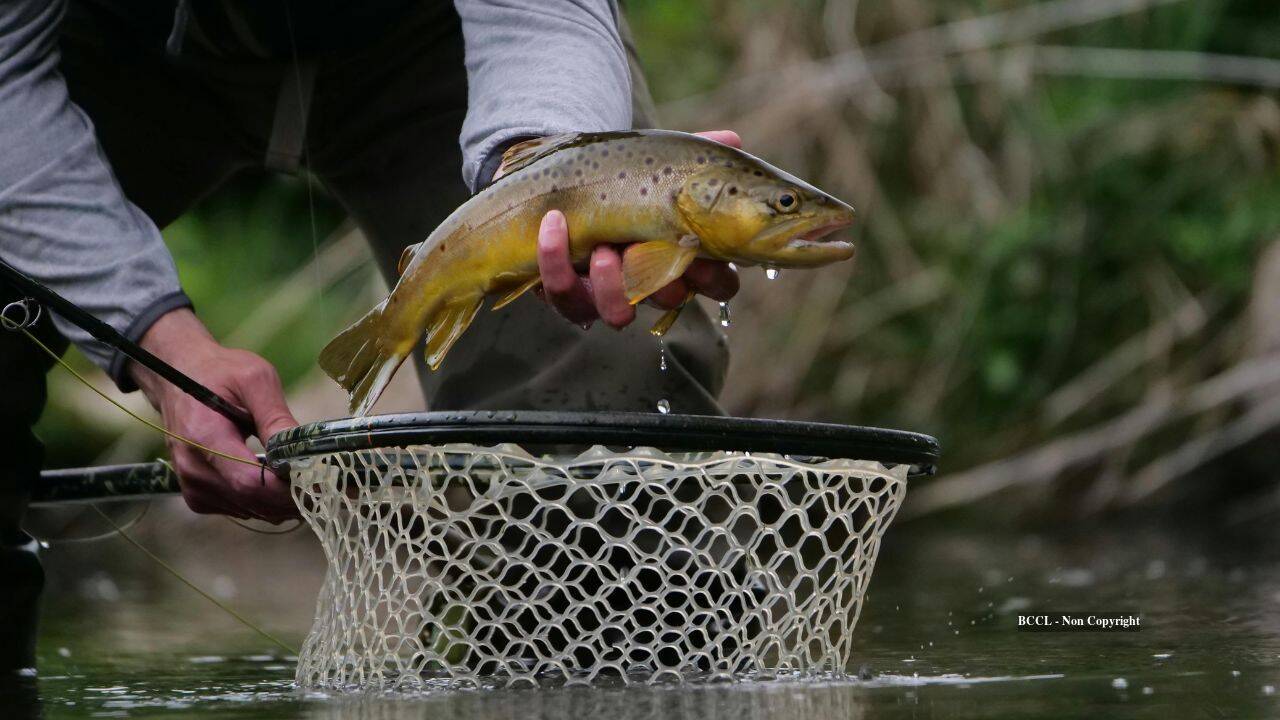
Conservation biology loves a simple villain. For decades, the script has read like a bad Disney movie: native amphibians are pure, innocent victims; introduced trout are rapacious, cold-blooded invaders destroying pristine wilderness. When wildlife agencies announce they have poisoned or gill-netted tens of thousands of trout out of high-altitude Sierra lakes to let yellow-legged frog populations rebound from a few hundred to nearly twenty thousand, the mainstream press applauds. It feels clean. It feels like we are fixing nature.
It is actually a dangerous illusion.
I have spent years watching agencies treat high-elevation ecosystems like manicured country club lawns rather than dynamic, evolving networks. We look at a single data point—a surging frog count in a chemically scrubbed lake—and declare total victory. We ignore the systemic collateral damage, the cascading trophic collapses, and the sheer hubris of playing God in environments we barely comprehend.
Let us dismantle the lazy consensus.
The Manufactured Wilderness Fallacy
The foundational myth of Sierra Nevada aquatic management is that these lakes were pristine, fishless Edens before European settlers packed trout up mountain trails on mules. Walk into any Department of Fish and Wildlife briefing and you will hear about restoring "historical baselines."
The phrase sounds scientific. It is largely marketing.
Many of these high-altitude lakes were naturally fishless primarily because Pleistocene glaciation and impassable downstream waterfalls blocked migration. But nature is not static. For over a century, brook, rainbow, and golden trout have lived, bred, and adapted in these waters. They became structural components of the food web. They integrated.
When you eradicate a dominant vertebrate from an ecosystem after a century of residency, you do not restore pristine history. You create a void.
Removing forty-four thousand trout is not a gentle nudge back to balance; it is a violent ecological reset. By treating trout purely as a biological pathogen rather than an established component of the modern high-country biome, agencies practice taxidermy, not conservation. They freeze ecosystems in an arbitrary temporal snapshot that never actually existed in a stable state.
The Inconvenient Math of Single-Species Obsession
Look closely at the celebrated success metrics. Frog numbers soared from one hundred ninety to eighteen thousand eight hundred in treated lakes. The charts look magnificent in annual reports.
Ask the harder question: what else died?
When you poison a lake with piscicides like rotenone to eradicate trout, or deploy intensive gill-netting that strips the littoral zone of vertebrate life, you wipe out macroinvertebrates, zooplankton cascades, and native amphibians that occupied different niches. Even mechanical removal alters benthic nutrient cycling.
Trout eat tadpoles, yes. But trout also exert top-down pressure on predatory aquatic insects, macroinvertebrates, and nutrient distribution patterns. Remove the trout entirely, and you often unleash invertebrate explosions that prey on early-stage amphibian embryos in unexpected ways, or you trigger algae blooms that shift the entire chemical baseline of the water body.
More importantly, you are sacrificing entire recreational economies and a multi-million-dollar backcountry angling heritage on the altar of single-species management. We are trading a diverse, functional multi-species ecosystem for a single-use amphibium breeding farm.
The Chytrid Elephant in the Room
Here is the dirty secret that conservation bureaucrats whisper behind closed doors: trout were never the primary driver of mountain yellow-legged frog declines.
The real executioner is Batrachochytrium dendrobatidis, the amphibian chytrid fungus sweeping across global alpine ecosystems. Chytrid attacks the keratin in frog skin, disrupting electrolyte balance and causing cardiac arrest. It cares nothing about whether a trout swims in the same lake.
In lakes where trout were eradicated, frog populations initially spike because the immediate predation pressure vanishes. But unless those frogs have developed genetic resistance to chytrid, that population boom is nothing more than a temporary staging ground for a fungal massacre. When the pathogen sweeps through the artificially inflated density of frogs, the crash is catastrophic.
Throwing millions of dollars at fish removal while ignoring the fundamental immunological dynamics of chytrid fungus is like draining a patient's pool because they have pneumonia. It looks active, but it misses the actual pathology.
What Real Alpine Management Looks Like
If we are going to fix Sierra conservation, we have to stop treating nature like a museum exhibit that needs dusting.
First, abandon blanket eradication policies. Not every trout-bearing lake needs to be scrubbed. Management must be localized, targeted, and transparent about trade-offs. If a specific, highly isolated micro-basin contains the absolute last genetic refugia of a critically endangered frog subspecies, selective intervention is defensible. Turning whole wilderness ranges into chemical or mechanical killing fields for sportfish is not.
Second, fund vaccine and probiotic research for chytrid resistance instead of spending budgets on fish slaughter. The future of amphibian conservation does not lie in eliminating every predator they ever co-existed with; it lies in hardening the host against the pathogen that is actually killing them.
Third, redefine success. Stop measuring ecological health by a single spreadsheet column of bouncing frog counts while ignoring the broader biological impoverishment of the lakes we manipulate.
Nature does not reward our desire for simple morality plays. When we pretend we can surgically excise one part of an ecosystem without breaking ten others, we aren't saving the wilderness. We are just managing our own delusions. Stop killing the lakes to save the frogs. Fix the actual disease.