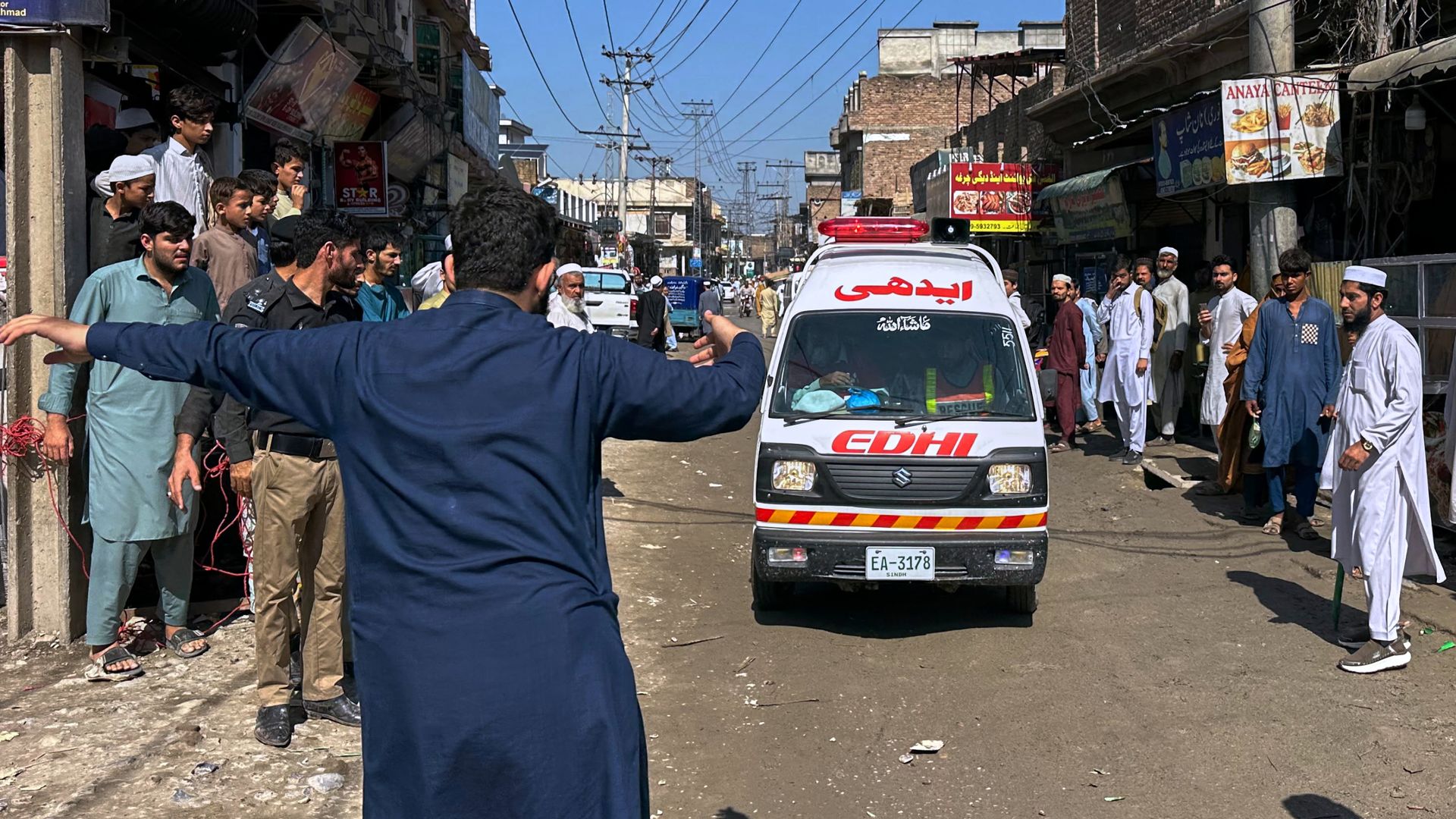
Arresting a school owner after a fatal roof collapse satisfies an immediate public demand for retribution, yet criminal charges rarely expose the layered engineering failures, regulatory shortcuts, and economic pressures that made the tragedy possible. When dozens of children die under falling masonry, steel, or concrete, handcuffs on a single proprietor can serve as a convenient political punctuation mark rather than a reckoning with systemic negligence. Anyone who has covered building disasters for long enough knows the pattern. Officials rush to announce an arrest before forensic engineers have finished clearing rubble, turning a complex structural failure into a simple morality play about one greedy or careless individual.
That arrest matters. Accountability should exist when operators ignore warnings, skip maintenance, or cut corners to pad margins. Still, treating the school owner as the sole villain often lets municipal inspectors, zoning boards, lenders, and material suppliers slip quietly out of the spotlight. A roof does not fail in a vacuum. It fails because of load paths, span geometry, water infiltration, substandard materials, or unpermitted additions stacked onto a structure never meant to carry them.
Why Arrests Happen First and Answers Come Later
In the hours after a school roof collapse, pressure on prosecutors and local leaders is immense. Grieving families want names. Citizens want proof that someone is paying for a catastrophe that stole young lives during what was supposed to be a routine school day. Detaining the owner or administrator gives authorities a visible action to point to while trauma is still raw.
Speed carries a cost. Early arrests frequently rely on preliminary statements, incomplete paperwork, or surface-level observations rather than full structural forensic analysis. Once charges are filed in public, narratives harden quickly. Investigators and media alike can fall into confirmation bias, reading every past dispute or financial shortfall as proof of criminal intent while overlooking technical flaws that predated the owner's tenure or involved licensed professionals whose stamps appeared on drawings.
Consider a hypothetical example to see how blame can get distorted. Suppose a private school operates out of a converted commercial hall and adds a second floor or heavy rooftop water tanks without upgrading the primary roof trusses. When heavy rain or seismic shaking hits and the roof gives way, arresting the proprietor addresses the unauthorized modification. Yet that single arrest still leaves unanswered how the building passed occupancy checks, whether a contractor built a weak connection out of sight, or why affordable classrooms were so scarce that families had few safer alternatives.
Mechanics of a Catastrophic Roof Failure
Roofs over classrooms span wide open spaces so teachers can see students and desks can fit cleanly. Wide spans mean high bending moments and concentrated loads at support points. When a designer or builder miscalculates those forces—or substitutes weaker steel gauges, undersized timber, or poorly cured concrete—the margin between standing safely and failing suddenly shrinks.
Water is the quietest destroyer of roofs. Flat or low-slope roofs common on budget school buildings rely on drainage slopes, scuppers, and waterproof membranes to shed rain. Clogged drains and tiny membrane splits let moisture seep into insulation, steel decking, or timber beams. Corrosion eats away at steel from the inside out. Wood rots or loses stiffness. What looks fine from the classroom floor can be losing load-bearing capacity for years before a heavy downpour pushes it past its breaking point.
Adding weight compounds the risk. Schools frequently mount air-conditioning units, solar panels, water tanks, or extra masonry partitions without a licensed structural engineer checking whether the columns, walls, and roof framing can handle the extra dead load. Even a modest increase in weight, combined with wind uplift or live loads during maintenance, can trigger progressive collapse where one failed member overloads its neighbors in seconds.
Substandard Materials and Informal Construction
Across many fast-growing communities, school construction happens on tight budgets with tight timelines. Private operators, community trusts, and underfunded districts sometimes rely on informal contractors who build by rule of thumb rather than structural load calculations. Rebar spacing gets stretched. Concrete mixes have too much water and too little cement. Welds on steel trusses are spotty or incomplete.
Nobody sees those shortcuts once plaster covers the ceiling or paint hides a beam. Until gravity wins. When a roof gives way in such buildings, the collapse is often sudden and pancake-like, leaving little warning time for children and teachers inside.
Deferred Maintenance and Blind Spots
Routine inspection sounds simple on paper. In practice, maintenance is often the first line item trimmed when tuition is tight or municipal grants arrive late. A leaking roof patch gets delayed until next term. Cracks near a beam pocket get chalked or painted over instead of diagnosed.
Inspectors face their own limits. Many local building departments are chronically understaffed, juggling thousands of permits and existing structures with too few engineers. A visual walk-through cannot spot hidden rust inside a hollow section or improper anchor bolts buried in concrete. Without periodic, qualified structural audits—especially for older buildings and converted commercial spaces—hazards stay invisible until disaster strikes.
The Economics Behind Risky School Buildings
To understand why dangerous buildings keep housing students, look at supply, cost, and incentives. Rapid urban growth and shifting demographics create intense demand for classrooms, especially in lower- and middle-income neighborhoods. When public schools are overcrowded or distant, private and low-cost schools step in to fill the gap.
Running a low-fee school is financially punishing. Land is expensive. Borrowing costs bite. Compliance with modern building codes, seismic retrofits, and fire safety upgrades requires upfront capital that many small operators struggle to raise or amortize on modest tuition. Facing a choice between shutting down, raising fees beyond what local families can pay, or operating in a flawed building, some operators gamble on safety.
That gamble is rarely made alone. Property owners lease out marginal spaces. Lenders finance acquisitions without demanding independent engineering assessments. Local authorities sometimes turn a blind eye to informal schools because closing them would leave hundreds of children without classes and spark political backlash. Everyone participates in a quiet compromise—until the roof comes down and everyone suddenly claims shock.
Accountability Beyond a Single Defendant
Criminal liability has a clear, necessary role when a school owner acts with recklessness, ignores explicit safety orders, or falsifies approvals. Courts exist to judge individual culpability and impose punishment where the law is broken.
Yet criminal trials are narrow instruments. They focus on proving specific elements of an offense against a named defendant, not reforming an entire building safety regime. Even if a conviction is secured, the underlying system can keep humming along: uninspected annexes still stand elsewhere, code enforcement still lacks teeth, and families still lack transparent safety ratings for the schools their children enter every morning.
Where Oversight Usually Breaks Down
Oversight rarely fails from just one missing signature. It usually frays across several handoffs:
- Permitting gaps: Small renovations, roof repairs, or change-of-use conversions slip past permitting because owners treat them as minor or officials classify them lightly.
- Weak enforcement: Stop-work orders and closure notices sometimes go unmonitored or get overturned through political pressure and legal delays.
- Fragmented records: Inspection logs, structural drawings, and maintenance histories sit in disconnected files, making it hard to spot repeat violations over time.
- Lack of public transparency: Parents rarely have easy access to plain-language records showing whether a school building has passed recent structural and fire checks.
Fixing these breakdowns requires more than harsher speeches after a tragedy. It takes routine, mandatory structural checks for vulnerable building types—especially older structures, converted commercial halls, and multi-story facilities housing large groups of children—paired with realistic financing and technical help so compliant upgrades are actually achievable.
Gray Areas in Reform and Enforcement
Strict enforcement sounds straightforward until it hits real-world trade-offs. Shutting down every school that falls short of ideal standards overnight can displace students, disrupt learning for months, and push families toward even less regulated options if no safe alternatives are ready. Closing a building without a transition plan solves one problem while creating another.
There is also a genuine gray area between willful criminal negligence and under-resourced misjudgment. A proprietor who knowingly pockets money meant for a documented roof repair and lies to inspectors stands in a very different place from an operator who hired a licensed contractor in good faith and was misled about structural capacity. Prosecutors, civil courts, and regulators have to separate malice from ignorance without letting either one excuse preventable deaths.
Better engineering standards and tougher inspections cost money. Someone has to pay for structural engineers, testing equipment, retrofits, and enforcement staff. If governments demand higher safety without funding inspection capacity or creating practical pathways for upgrades, rules on paper will keep colliding with economic reality on the ground.
What Real Prevention Looks Like After Tragedy
When a fatal roof collapse makes headlines, the most revealing test comes weeks and months later, long after the arrest coverage fades. Are municipal engineers auditing similar roofs across the city? Are unpermitted rooftop loads being removed and structural connections reinforced? Are building codes and inspection schedules being updated based on what the collapse actually revealed about material strength, drainage, and load paths?
A single arrest can close a police blotter entry. Only verifiable structural fixes, honest engineering investigations, and enforceable oversight keep the next roof from falling.