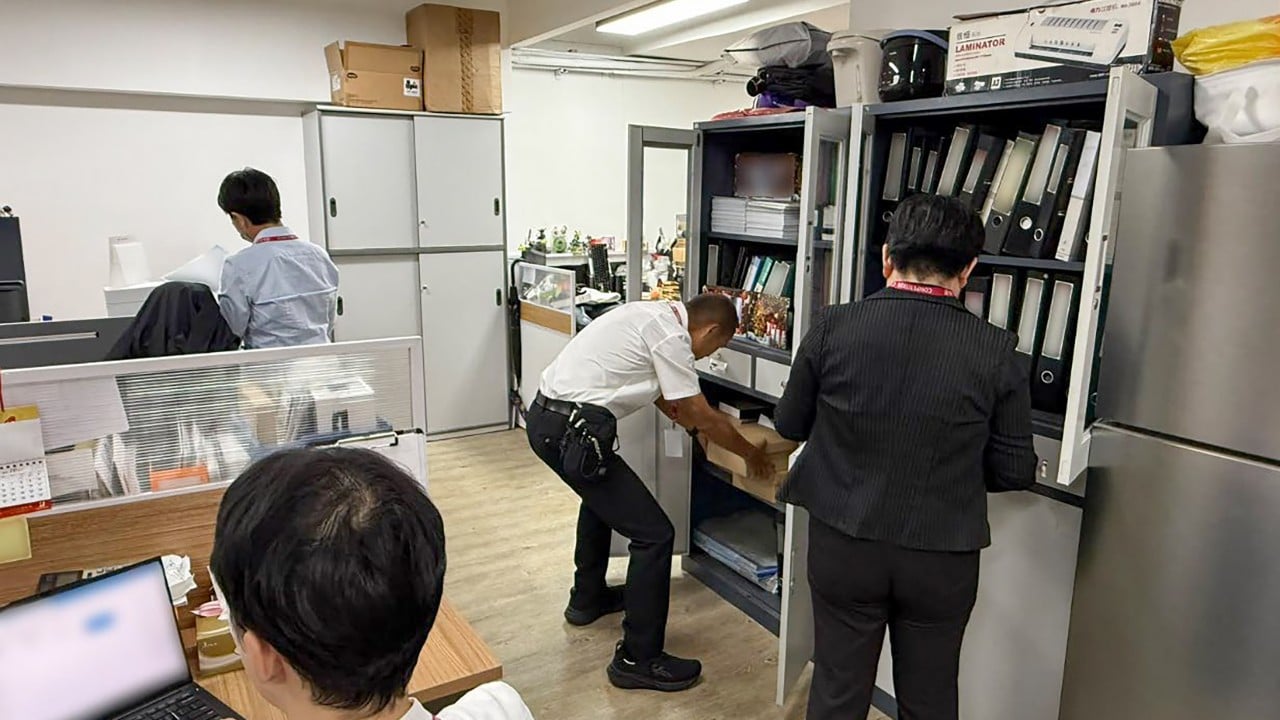
When public money meets classroom technology, corruption usually isn't far behind. We like to think educational upgrades are immune to greed, but a recent sweeping crackdown across eleven different locations proves otherwise. Investigators targeted operations tied to rigged bids for virtual reality systems destined for local schools.
Deals worth roughly ten million dollars suddenly became the focal point of a massive anti-trust and price-fixing investigation. Authorities didn't just issue polite warnings; they searched offices and homes, seizing records, computers, and communication devices. It is a stark reminder that school districts remain prime targets for cartels looking to milk public funds through fake competition.
The Illusion of Choice in Educational Procurement
Let's look at how these schemes actually operate in the real world. On paper, a school board needs to purchase cutting-edge gear—like immersive headsets and software packages—to prep students for modern careers. They put out a tender, requiring multiple independent vendor bids to ensure fair pricing.
Behind closed doors, those competing companies are often playing for the exact same team.
Bid-rigging relies on illusion. Competitors secretly coordinate who will win, who will submit intentionally inflated backup bids, and how they will split the spoils later. The school board thinks they are getting market-rate pricing through a competitive process. Instead, they are walking straight into a trap designed to drain public coffers.
When you inject millions of dollars into fast-evolving tech categories like virtual reality, oversight often lags behind innovation. Educational administrators want the newest gadgets in classrooms yesterday. Vendors know this urgency creates blind spots. They exploit the rush, bypassing standard scrutiny while public officials focus on user adoption rates rather than procurement audits.
Why Virtual Reality Equipment Makes a Juicy Target
Why target virtual reality systems specifically? Simple. Specialized hardware and proprietary software licenses are hard to benchmark accurately.
If a vendor tries to overcharge for standard laptops or office paper, comparison shopping takes thirty seconds. Everyone knows what a basic computer costs. But specialized immersive educational suites, custom curriculum integrations, and hardware bundles? Those come with murky pricing structures.
Cartels love ambiguity. When products feature specialized technical specifications, dishonest suppliers can easily mask inflated profit margins behind complex jargon. School procurement officers rarely possess deep anti-trust backgrounds or forensic accounting skills. They trust the paperwork put in front of them.
The Cost Extends Far Beyond the Stolen Cash
Financial fraud in education steals twice. First, it drains funds that should have gone toward teacher salaries, classroom supplies, or actual student resources. Second, it compromises the quality of the technology itself.
When a contract goes to the highest bidder in a rigged cartel rather than the company with the best product, students lose out. Schools end up locked into brittle, overpriced hardware systems that break down within months and lack proper software support. The contractors care about extracting margin, not whether a fourteen-year-old actually learns history better through an overpriced headset.
We have to stop treating procurement corruption as a victimless white-collar crime. It directly sabotages learning environments.
Fixing a Broken Procurement Pipeline
Preventing these scandals requires structural changes that most bureaucratic school boards resist because they slow things down.
First, independent watchdogs need automated analytics to screen bids for statistical anomalies. When the exact same formatting errors appear across proposals from supposedly competing firms, algorithms should flag them instantly. Second, procurement officials must face mandatory anti-collusion training.
If we want technology to actually improve education, we have to clean up the back-alley deals funding it. Transparency shouldn't be an afterthought once the raids happen. It has to start before a single dollar leaves the public treasury.