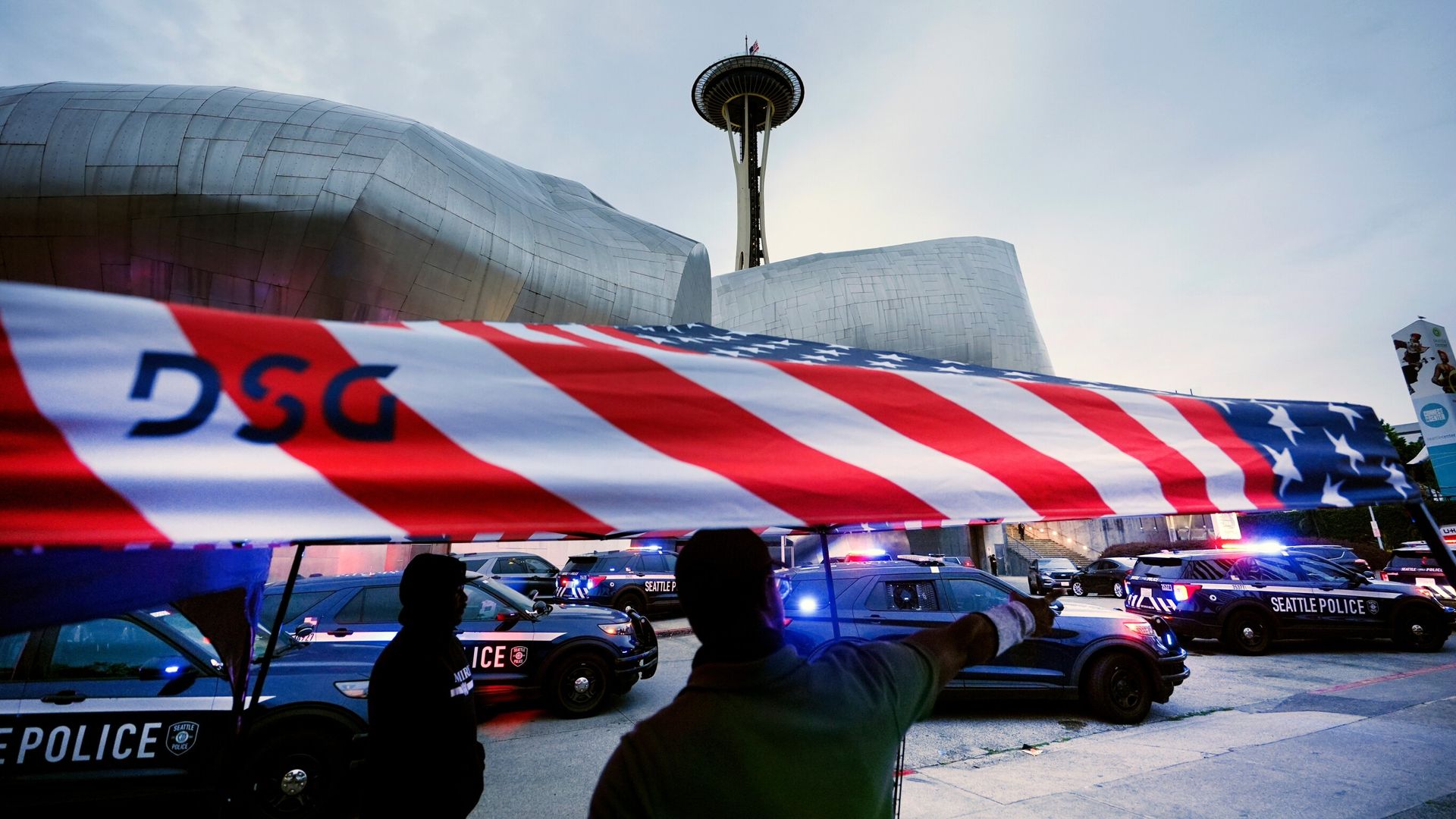
Community safety changes overnight. A bustling summer street food event turns into a chaotic crime scene in seconds. You read the initial reports. A 15-year-old boy is sitting among three suspects linked to a shooting at a Seattle food festival. It's terrifying. It's also part of a wider, deeply disturbing trend of rising youth involvement in urban gun violence that communities across the country keep struggling to fix.
Let's look at what actually happened and why standard news coverage keeps missing the bigger picture.
The Reality of the Seattle Food Festival Incident
When gun violence hits a public gathering, the immediate public reaction is pure shock. Families go to street festivals for local food, music, and community connection. They don't expect to run for cover.
Local law enforcement agencies quickly mobilized after shots rang out. Investigators sorted through conflicting witness accounts, security footage, and emergency calls. Within days, authorities took three suspects into custody. The inclusion of a 15-year-old among those arrested immediately shifted the conversation from a standard violent crime report to a crisis involving minors and firearms.
People want simple answers. How does a teenager get access to a gun? Why does a dispute at a public festival escalate to deadly force so fast?
The answers aren't simple. They never are.
Why Youth Gun Violence is Accelerating
We can't talk about a 15-year-old suspect without looking at the structural failures underneath. Kids don't wake up wanting to ruin their lives at a street festival. They drift into dangerous situations because safety nets have collapsed.
- Easy access to firearms: Unsecured weapons in homes remain a primary source for young people. If a gun is easy to grab, it gets grabbed in the heat of an argument.
- The erosion of mental health support: Schools and local communities lack the resources to catch troubled kids before they turn to impulsive violence.
- Social media escalation: Online beefs don't stay online anymore. They spill over into physical spaces, turning digital arguments into real-world shootings.
When you look at public safety data from cities like Seattle, youth involvement in violent offenses has crept upward over recent years. Law enforcement officers deal with younger suspects carrying illegal firearms more frequently than they did a decade ago.
What Media Coverage Gets Wrong
Standard headlines love a shocking age attached to a crime. "Teenage boy, 15, among suspects." It grabs clicks. It triggers outrage. But it rarely explains what comes next or how to prevent the next incident.
Most mainstream outlets treat these shootings as isolated freak accidents. They aren't. They are symptoms of systemic breakdowns. When you focus solely on the perp walk or the bail hearing, you miss the prevention window entirely.
Community organizers and street intervention workers know the warning signs long before shots are fired. They see the skipped classes, the isolation, the recruitment into local groups, and the lack of positive outlets. Yet funding for preventative community programs always takes a backseat to reactive policing.
How Communities Actually Respond
Real safety doesn't come from heavy-handed panic. It comes from sustained, boots-on-the-ground work.
Cities dealing with spikes in youth violence need specific, actionable strategies:
- Secure firearm storage laws: Enforce strict penalties for adults who leave weapons accessible to minors.
- Invest in credible messengers: Fund intervention specialists who can talk kids down before a dispute turns physical.
- Create real youth infrastructure: Give teenagers safe, supervised spaces after school and during weekends.
When a 15-year-old ends up in handcuffs after a festival shooting, everybody loses. The victims suffer physical and psychological trauma. The community loses its sense of public sanctuary. And a young life is effectively thrown away before it even really starts.
Stop treating youth gun violence like an unsolvable mystery. It requires accountability, better prevention funding, and a hard look at how illegal weapons find their way into the hands of children.