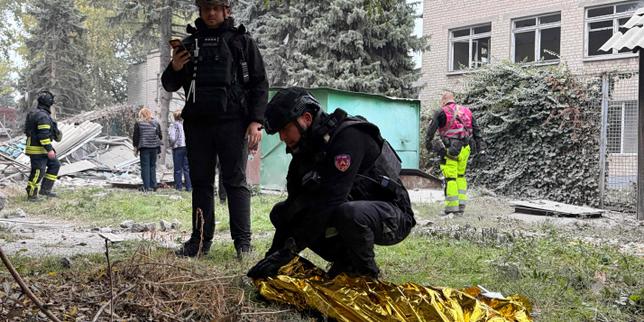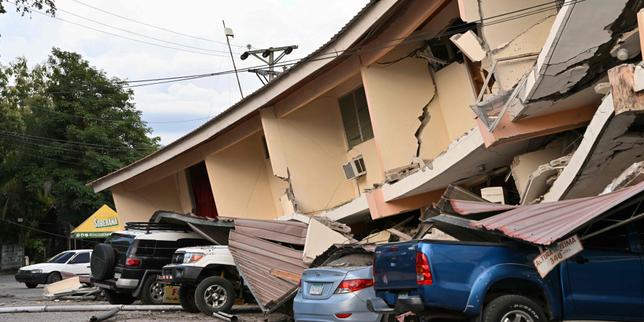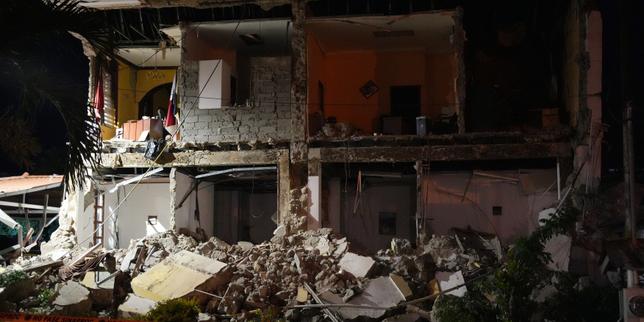
Seismic events in Central America present a complex interaction between tectonic mechanics and regional infrastructural resilience. Following recent seismic activity in Panama that resulted in structural damage and localized injuries, emergency management frameworks must shift from reactive post-disaster response to predictive vulnerability analysis. Understanding the true toll of an earthquake requires moving past immediate casualty counts to evaluate structural integrity coefficients, soil amplification effects, and supply chain redundancy.
Tectonic Context and Fault Dynamics
The geological setting of Panama involves a complex microplate configuration, primarily the Panama Microplate bounded by the Nazca, Cocos, and Caribbean plates. Subduction and strike-slip faulting generate shallow-focus earthquakes capable of producing high peak ground acceleration in populated zones.
When evaluating the recent tremors, three primary variables dictate the extent of structural damage:
- Energy Release and Depth: Shallow crustal earthquakes release concentrated seismic energy directly beneath urban infrastructure, reducing attenuation before the waves reach surface foundations.
- Frequency Content: High-frequency waves preferentially damage low-to-mid-rise masonry and unreinforced concrete structures, which constitute a significant percentage of regional residential buildings.
- Duration of Shaking: Extended duration induces cumulative fatigue in building materials, leading to progressive collapse mechanisms even when initial peak accelerations remain below ultimate design thresholds.
The Structural Cost Function
Physical damage to buildings is governed by a quantifiable cost function that weighs material strength against seismic load demands. Standard construction practices in developing urban corridors often introduce vulnerabilities through non-engineered vertical expansions, inadequate reinforcement detailing, and poor soil-structure interaction analysis.
Total Loss = (Vulnerability Index x Seismic Hazard Exposure) - Adaptive Capacity
In the aftermath of the Panama seismic event, structural evaluations revealed distinct failure modes in non-ductile concrete frames. Shear failures in short columns—often referred to as the captive column effect—accounted for a disproportionate share of severe structural degradation. When masonry infill walls partially restrict a column's free height, shear demands escalate sharply during lateral loading, causing brittle structural failure before ductile bending can dissipate seismic energy.
Amplification Effects and Geotechnical Variables
Ground motion intensity at a specific site depends heavily on local subsurface conditions. Soft sedimentary basins, coastal alluvial deposits, and reclaimed land amplify seismic waves through impedance contrast.
- Frequency Tuning: Soft soils filter out high-frequency components while amplifying long-period waves, posing a direct threat to taller structures founded on unconsolidated strata.
- Liquefaction Potential: Saturated sandy soils subjected to cyclic shear stresses experience pore water pressure spikes, resulting in a temporary loss of shear strength and subsequent foundation settlement or lateral spreading.
Mitigating these geotechnical risks requires microzonation mapping that correlates local soil profiles with building stock characteristics. Without this spatial granularity, urban planning remains blind to localized hazard hot spots.
Economic and Operational Disruption Cascades
A seismic event's total impact extends far beyond direct physical damage to buildings and injuries. Operational continuity across critical lifelines—including potable water distribution, electrical grids, and primary transportation corridors—determines the velocity of economic recovery.
When a major transport artery or port facility experiences temporary closure for structural inspection, regional supply chains suffer immediate latency. Inventory buffers in commercial sectors typically absorb shocks for twenty-four to forty-eight hours before distribution bottlenecks translate into retail scarcity and price volatility. Quantifying this systemic friction requires dynamic input-output modeling that tracks inventory depletion rates against repair cycle times.
Resilience Engineering and Strategic Redundancy
Transitioning from disaster management to systemic resilience demands capital allocation toward retrofitting vulnerable building stock and hardening lifeline infrastructure. Retrofitting techniques such as exterior steel bracing, carbon fiber wrapping of columns, and base isolation systems alter the dynamic characteristics of existing structures to reduce seismic demand.
Municipal authorities must enforce strict performance-based seismic design codes rather than relying solely on prescriptive minimum standards. Performance-based engineering establishes explicit functional objectives for different earthquake return periods, ensuring that hospitals, emergency operations centers, and schools remain operational immediately following a major event.
Capitalize on post-event structural audits by mandating public disclosure of vulnerability assessments, forcing real estate markets to price seismic risk accurately into asset valuations.