The limousine door is a heavy, soundproof barrier between two entirely different versions of a human being. On one side, inside the plush, refrigerated silence of the car, there is a person checking their teeth for spinach and their soul for cracks. They are sweating through expensive silk. They are breathing in a specific, rhythmic pattern taught by a high-priced therapist to keep a panic attack at bay.
On the other side of that door lies the "glitz and glam." For another perspective, see: this related article.
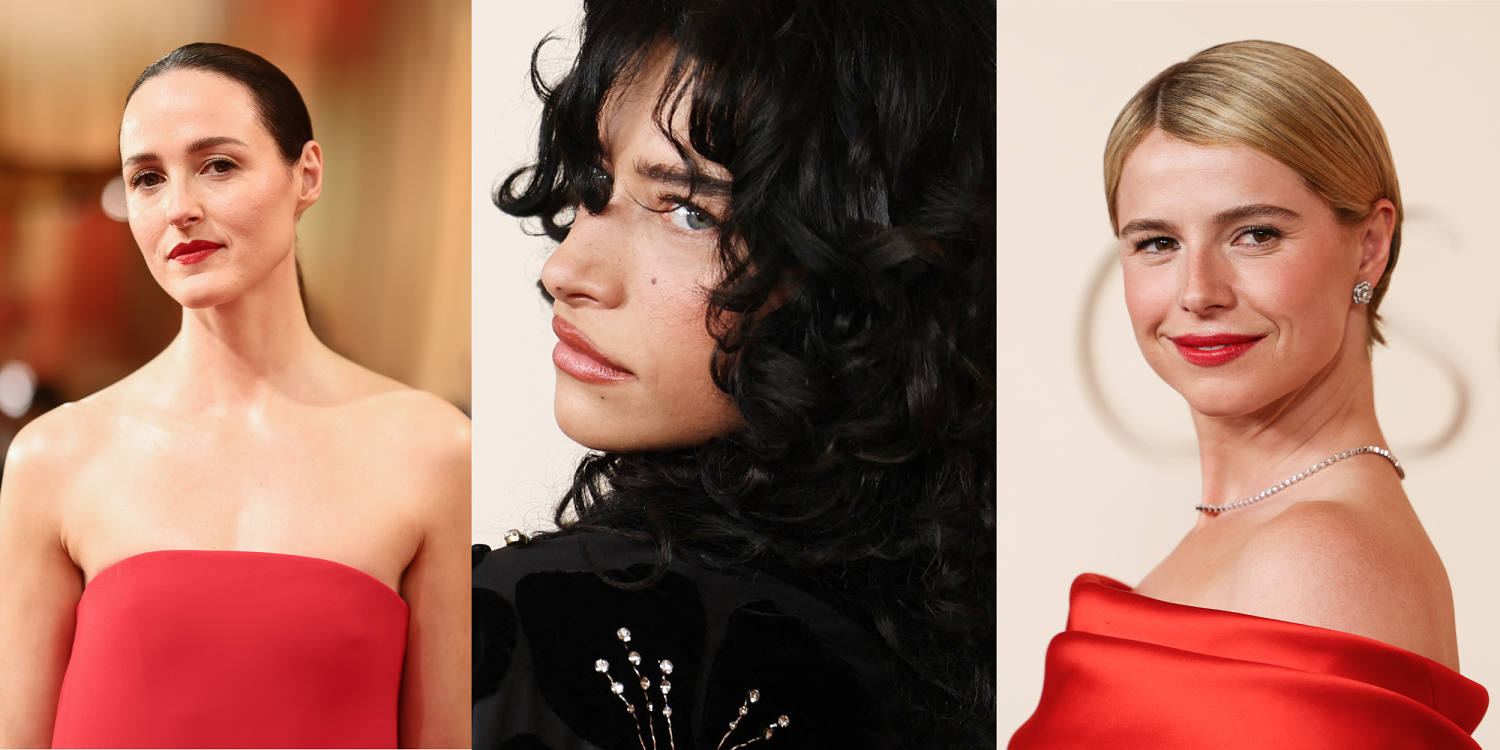
To the casual observer scrolling through a gallery of Oscars red carpet photos, the event looks like a static display of perfection. We see the $100,000 gowns, the rented diamonds, and the practiced smiles that suggest a life of effortless ease. But look closer at the eyes in those high-resolution files. If you know where to look, you can see the sheer, vibrating intensity of the labor involved. This isn't just a party. It is a high-stakes corporate merger where the commodity being traded is the self.
The Architecture of a Moment
Before a single flashbulb pops, a small army has spent months constructing a persona. We talk about "best dressed" lists as if these actors just happened to pick something nice out of a closet. In reality, the red carpet is a battlefield of branding. Stylists negotiate with fashion houses for months, seeking the specific shade of cerulean that will signal "serious artist" rather than "starlet." Related insight on this matter has been published by Entertainment Weekly.
Consider a hypothetical actress we’ll call Elena. She is forty-two, has two kids who didn't want to put on their shoes this morning, and has been nominated for an award that will determine the next decade of her earning potential. As she sits in that limousine, she isn't thinking about the champagne waiting inside the Dolby Theatre. She is thinking about the internal corset—the physical one made of boning and lace, and the metaphorical one made of public expectation.
When that door opens, Elena has exactly seventeen seconds to set the narrative. If she stumbles, the internet will have a meme ready before she reaches the first reporter. If she doesn't smile enough, she's "difficult." If she smiles too much, she’s "desperate."
The red carpet is the only place on earth where a human being is expected to be both a Greek god and a relatable best friend simultaneously. It is an impossible architectural feat of the ego.
The Physics of the Flash
The sound is the first thing that hits you. It isn't a cheer; it’s a roar. It’s the sound of five hundred photographers screaming a single name at once, a wall of noise that feels like physical pressure against the chest.
"Elena! Over the shoulder!"
"Look left! Who are you wearing?"
"Elena! Give us a smile!"
The flashbulbs create a strobe effect that makes the world feel fragmented, like a film strip skipping frames. In those moments, the "glitz" feels more like a gauntlet. The heat from the lights is intense enough to melt makeup, yet every person on that carpet must appear matte, cool, and untouchable.
We see the photos and think of them as evidence of a glamorous life. But these images are actually the result of a strange, symbiotic desperation. The photographers need the shot to pay their rent. The actors need the coverage to stay relevant. The designers need the placement to sell handbags in suburban malls. Everyone is hungry, and the red carpet is the feeding trough.
The Weight of the Wardrobe
There is a specific physics to red carpet fashion that rarely makes it into the captions. A gown that looks like a cloud of ethereal tulle often weighs thirty pounds. It is held up by engineering that would make a bridge builder proud. Tape—double-sided, industrial-strength, and painful—is the secret foundation of the entire evening. It holds fabric to skin with a desperate grip, ensuring that "glitz" doesn't turn into a "wardrobe malfunction" that stays on the internet forever.
Walking in these garments is an athletic feat. You have to glide, keeping your upper body perfectly still while your legs do the heavy lifting beneath layers of silk. You are a swan, paddling frantically under the surface while looking serene above.
But the physical weight is nothing compared to the financial gravity. A single walk down the carpet can be worth millions in brand equity. When an actor wears a specific watch or a certain necklace, they aren't just accessorizing. They are fulfilling a contract. The jewelry is often accompanied by a security guard whose only job is to watch that specific wrist for the entire night. It is hard to feel like the belle of the ball when you are essentially a high-end display case for a diamond conglomerate.
The Human Toll of the "Glam"
We love to mock the vanity of it all. It’s easy to look at a gallery of beautiful people and feel a sense of cynical detachment. We tell ourselves they chose this. They get paid millions. They should be able to handle a few cameras.
That’s true, in a sense. But the human brain wasn't designed to be stared at by millions of people at once. There is a psychological phenomenon where, under the intense scrutiny of a crowd, a person begins to view themselves as an object rather than a subject. They start to see their own face as a product to be managed.
Think of the young actor who is attending for the first time. They are twenty-two, perhaps, and six months ago they were waiting tables in Silver Lake. Now, they are standing in a suit that costs more than their father’s car, being told by a publicist to "just be yourself."
Which self? The one who is terrified? Or the one the world wants to see?
The "glitz" is a mask. It is a very beautiful, very expensive mask, but it is a mask nonetheless. The tragedy of the red carpet is that we spend so much time looking at the dress that we forget to look at the person wearing it. We miss the slight tremor in the hand. We miss the way they glance toward the door, counting the minutes until they can go home, take off the heels, and eat a slice of cold pizza in the dark.
The Silence After the Scream
Eventually, the carpet ends. The roar of the photographers fades as the stars move into the hushed, cavernous interior of the theater. The transition is jarring. One moment you are the center of the universe, the target of a thousand lenses; the next, you are just another person looking for your seat assignment.
The photos we see on our phones are the only things that survive the night. The dress will be returned to the archive. The diamonds will go back into a velvet-lined safe. The makeup will be scrubbed off with a harsh cleanser. All that remains is the digital ghost of a moment that felt, at the time, like both a triumph and a trial.
We scroll through the galleries because we want to believe in a world where everything is shiny and perfect. We want to believe that if we just had the right dress or the right lighting, we too could be untouchable. But the "glitz" isn't a state of being. It’s a performance. It’s a collective hallucination that we all agree to participate in for one Sunday in March.
The next time you see a photo of a star looking radiant on the red carpet, don't just look at the glam. Look at the seventeen seconds before. Look at the breath they took before the door opened. Look at the human being trying to survive the glare of the world’s most intense spotlight.
Behind every perfect image is a person who is just trying to make it to the other side of the door without falling down.